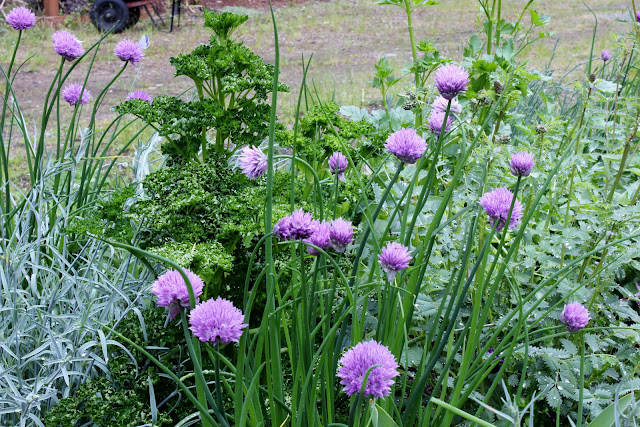
This is a bit tongue in cheek… of course, you can grow anything you like. These are ideas for what to grow/plant at this time of year, if you missed out on the cool spring temps.
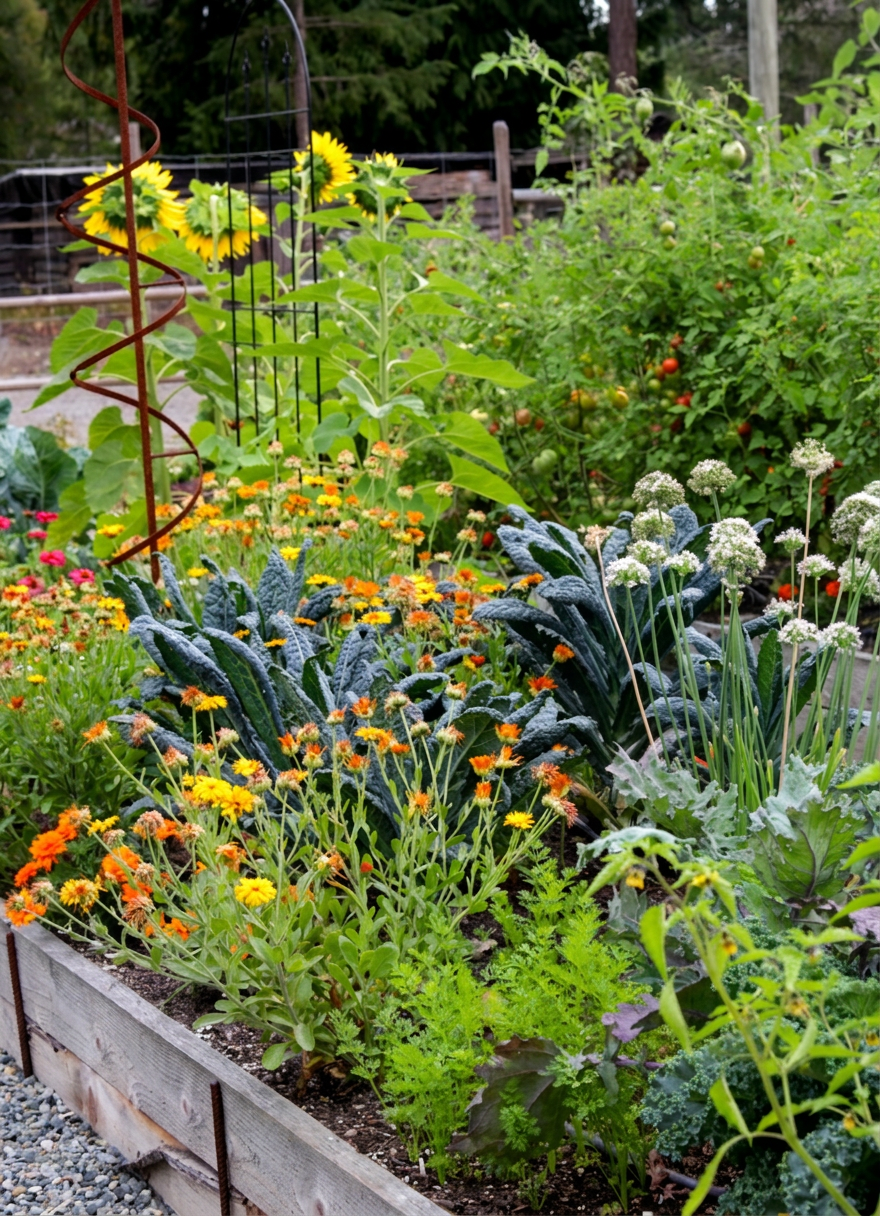
Kale not Spinach
If you missed the March/April planting window, it is too late to grow spinach now. Spinach does not like heat, it tends to bolt (go to seed) when temps hit the 20’s (60’s °F).
Instead, sow some kale seeds or pop in a 6 pack of kale. While kale loves cool weather and even tolerates snow just fine, it can also withstand summer temps. Get it planted and established before it gets too hot and it will grow nicely all the way till winter.
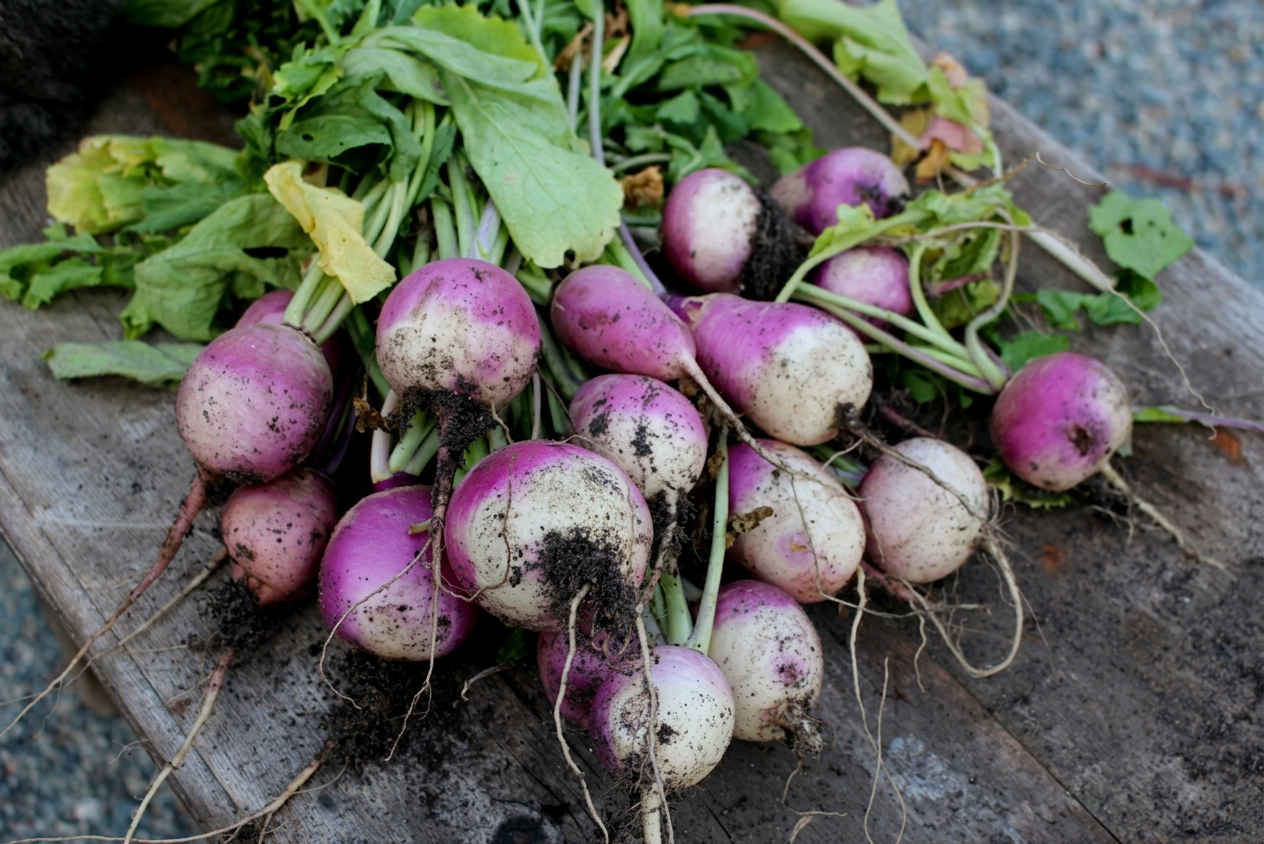
Turnips not Radishes
While both prefer cool temps, turnips will handle the early summer weather longer/better than radishes will. They are also more versatile.
Radishes will produce yummy pods (kind of like small pea pods) when they bolt, that taste even better than the radishes do. I often grow them just for the pods.
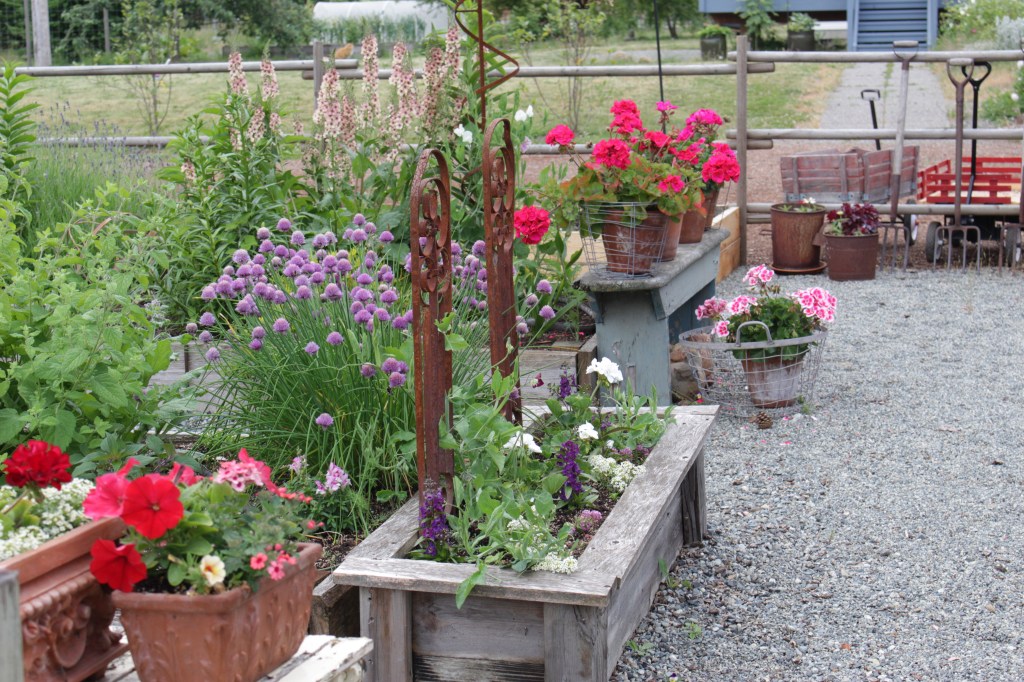
Chives not Spring Onions
As with the others, the spring onions prefer cooler temps, should have been sown a few weeks ago. You can certainly still sow them in a part-sun location throughout the summer, but spring or fall are the best times.
Chives, on the other hand, are perennial. They will grow in all temps. They are amazing in spring time, with their blossoms.
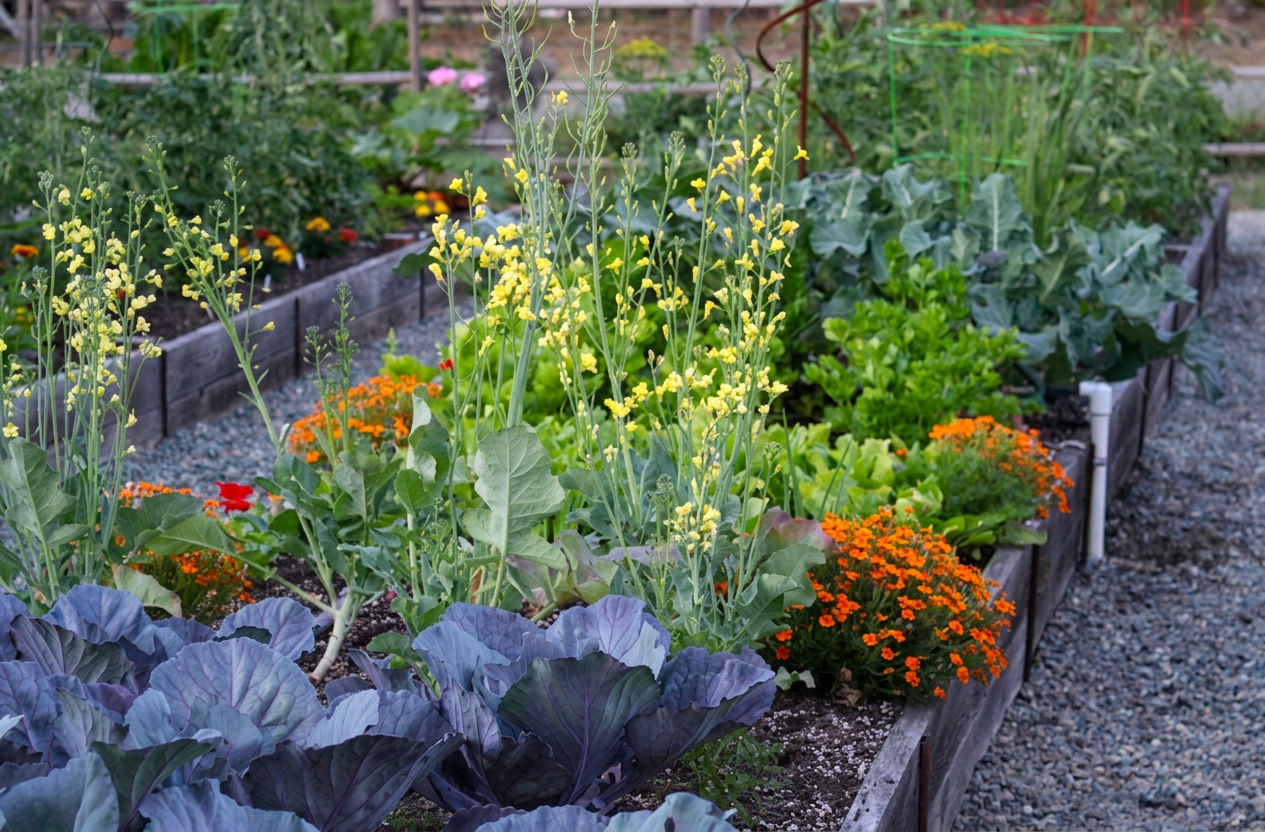
Cabbage not Broccoli
Broccoli will quickly bolt when the temps get into the low 20’s C (75°F) whereas cabbage will keep right on growing through the summer months.
Ps, keep your bolting broccoli around for a while. The bees love it, it is a great pollinator favourite, it look pretty in the garden, plus you can eat those blossoms, too.
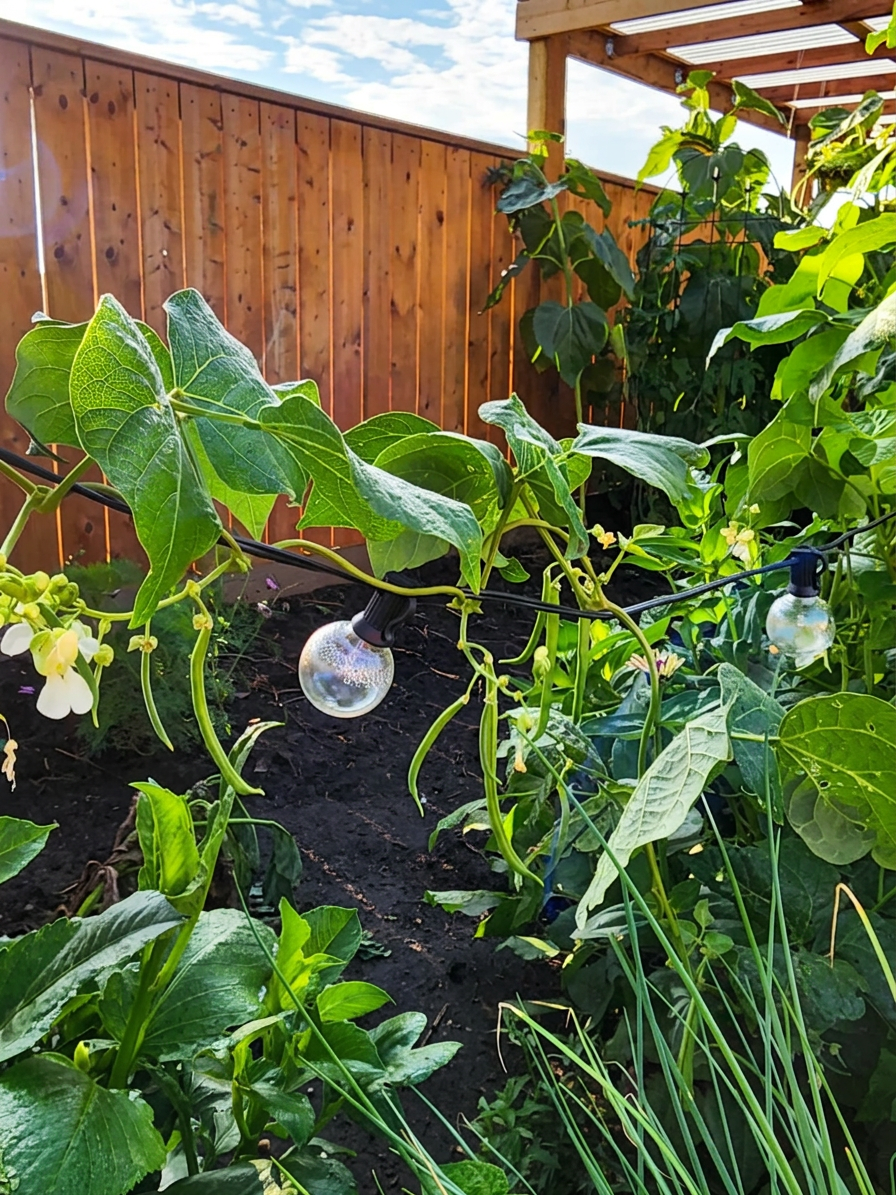
Beans not Peas
Beans are summer veggies. They thrive in warmth and sunshine. Plant after spring frosts are over, in a full sun location. Bush beans are very fast growers and producers, whereas pole beans tend to take several weeks longer to start producing.
Peas prefer to be direct sown in cool soil, can handle frosty temps. Grow them in a partial shade location and keep well watered if growing them in summer.
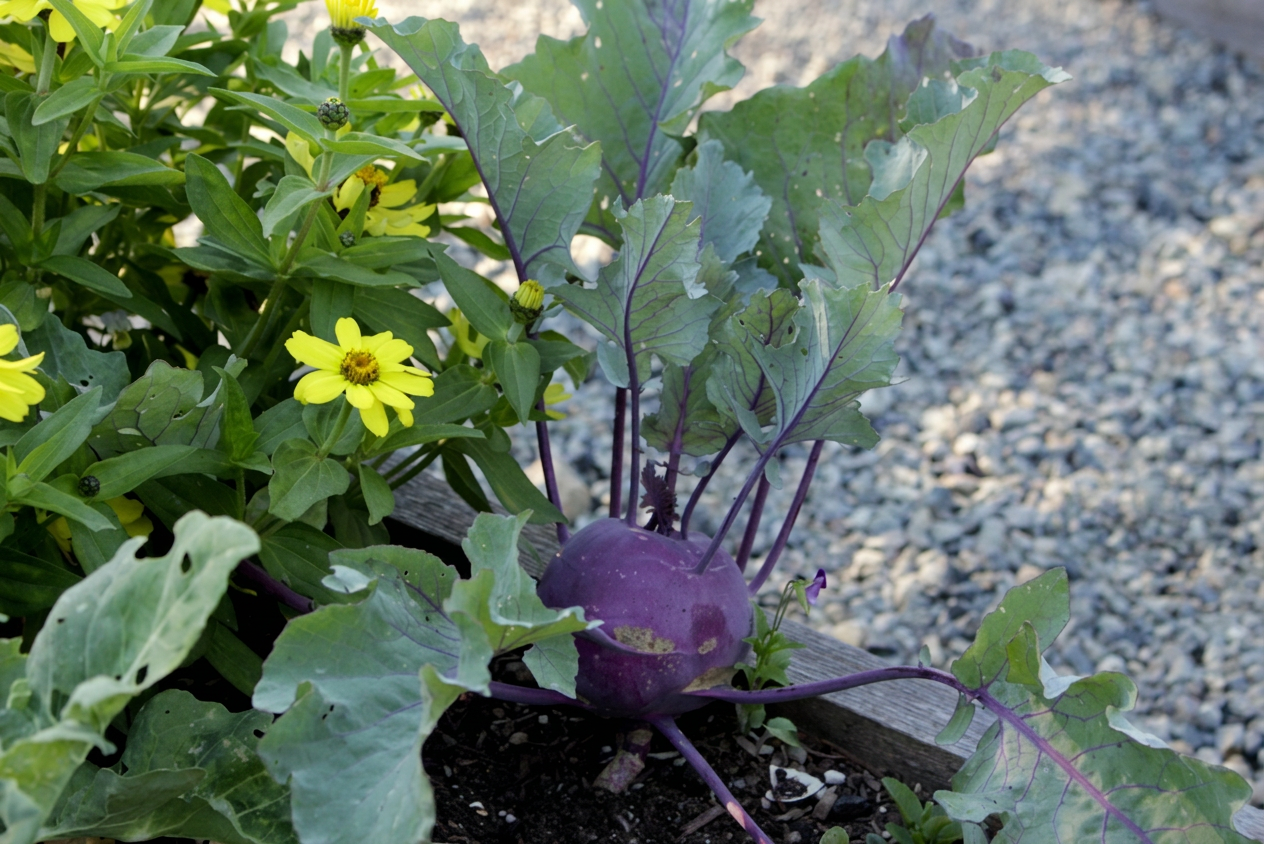
Rutabagas not Kohlrabi
Kohlrabi matures quickly and, as with all the others, prefers cool soil. Plant in early spring or late summer for a quick crop in just 45 to 60 days.
Rutabagas, on the other hand, are started in mid-summer so that they can grow while the soil is warm but finish off in the cooler late summer/early fall temps.
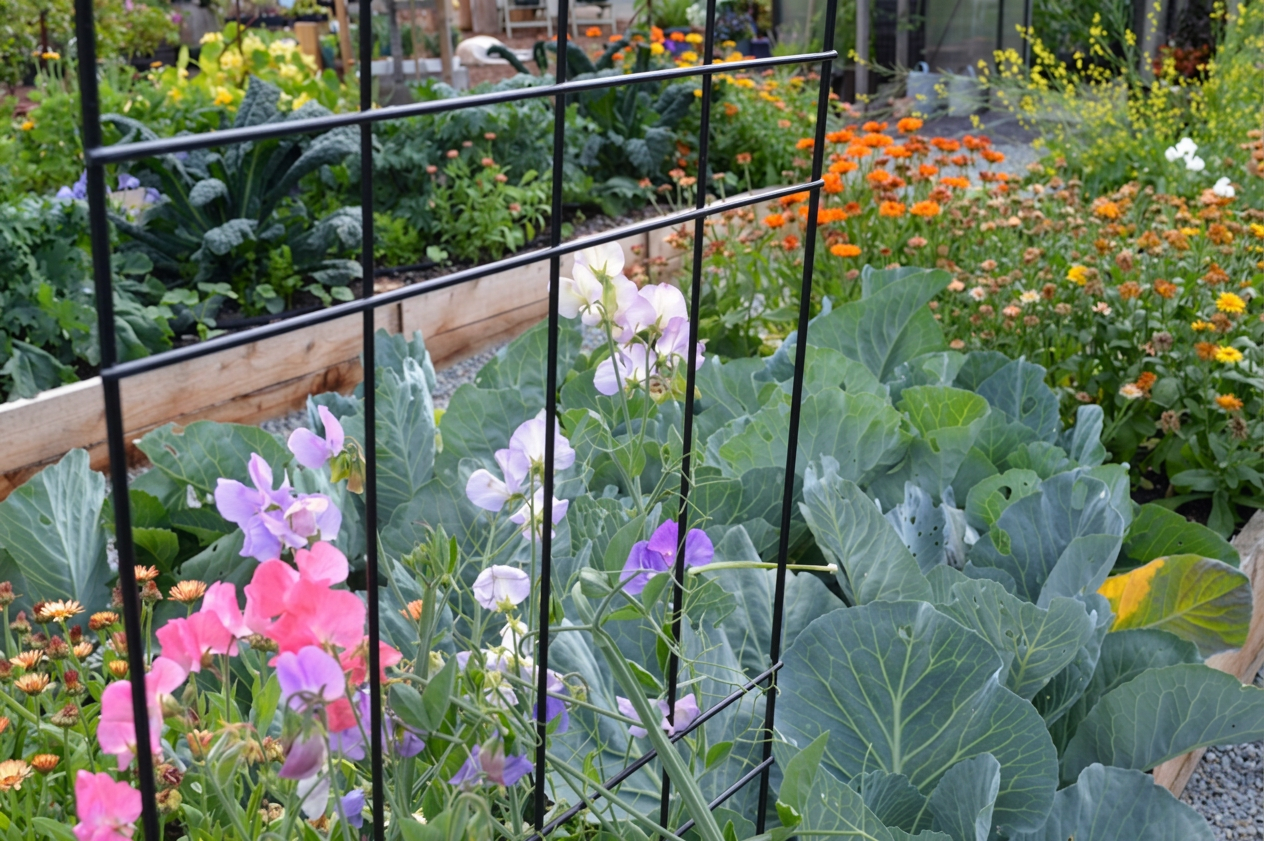
Though a wee bit tongue in cheek, I hope this inspires you to try growing a few different veggies this summer ~ Tanja

 The Marigold Potager - A Zone 3 Prairie Garden
Leave a comment