This is it. Finally planting and yardwork time here on the prairies. Time to get stuff done!
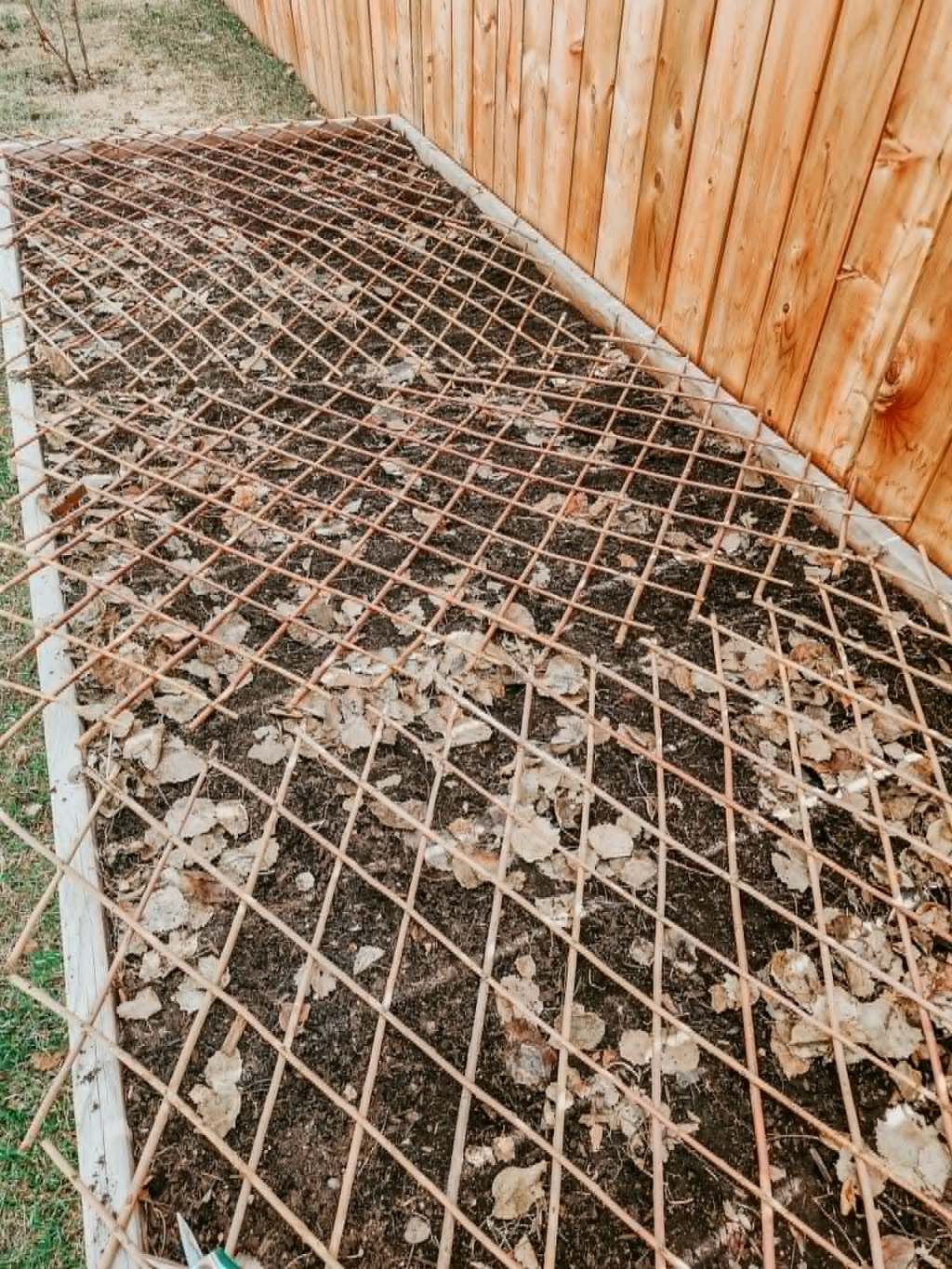
I have started removing the leaves from my garlic bed. We still have a few ladybugs hunkering down in the leaves, so I just gently moved them to another bed so the ladybugs can hide out as long as they want (the leaves were kind of matted up so easy to move over in large swaths).
I then cover the bed with inexpensive garden trellising to keep the cat(s) out of the bed. Once the garlic grows tall and wide enough that the cat is no longer able to get at the soil, I remove the trellising and use in my other garden beds, or put away till next year. This is my third year of using the same trellises – definitely worth the moolah.
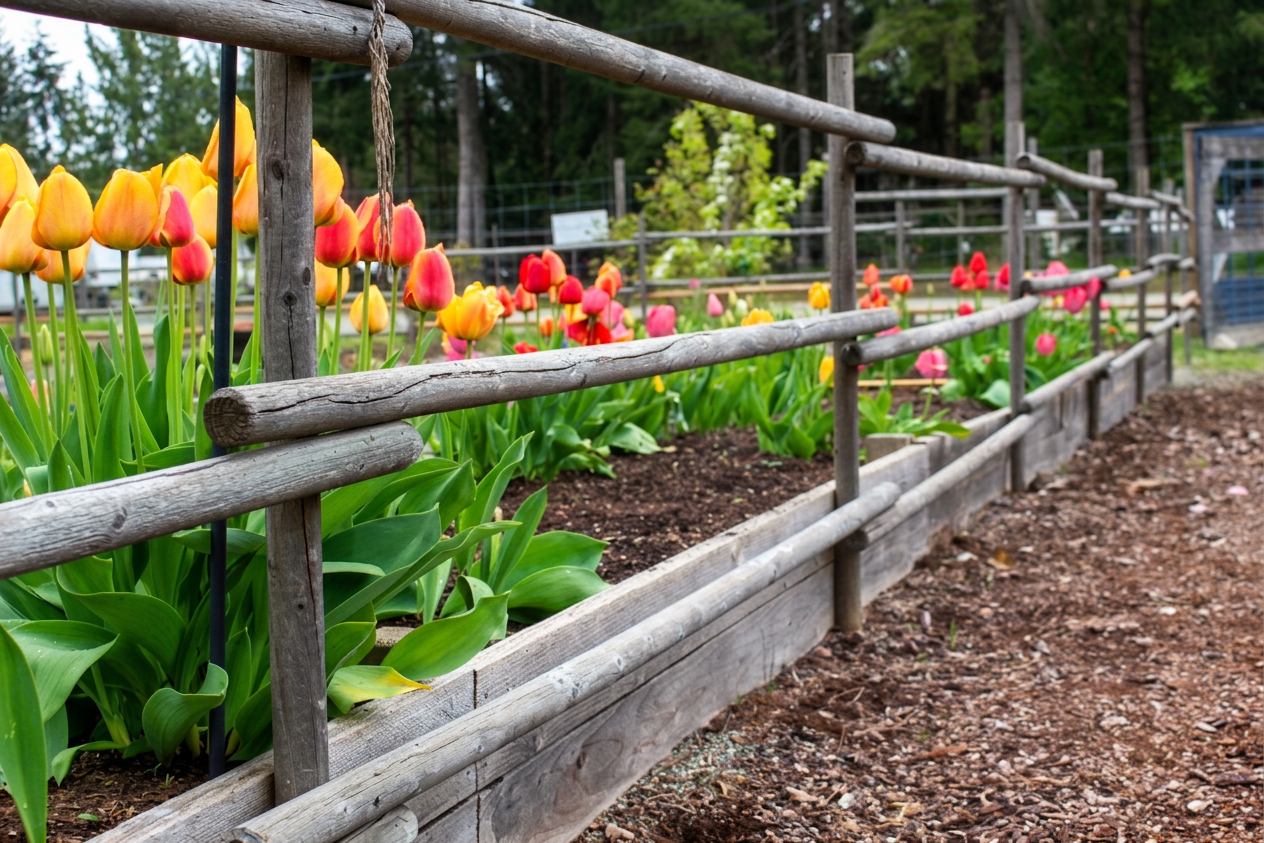
For those of you on the warmer west coast and warmer garden zones, you can now be direct sowing your cosmos, zinnias, marigolds, and sunflowers. If you have not yet sown your calendula, toss those seeds in, too. Water in well and walk away. If you get rain once or twice a week, no need to water. Otherwise, give them a quick watering every day or two until you see germination happening.
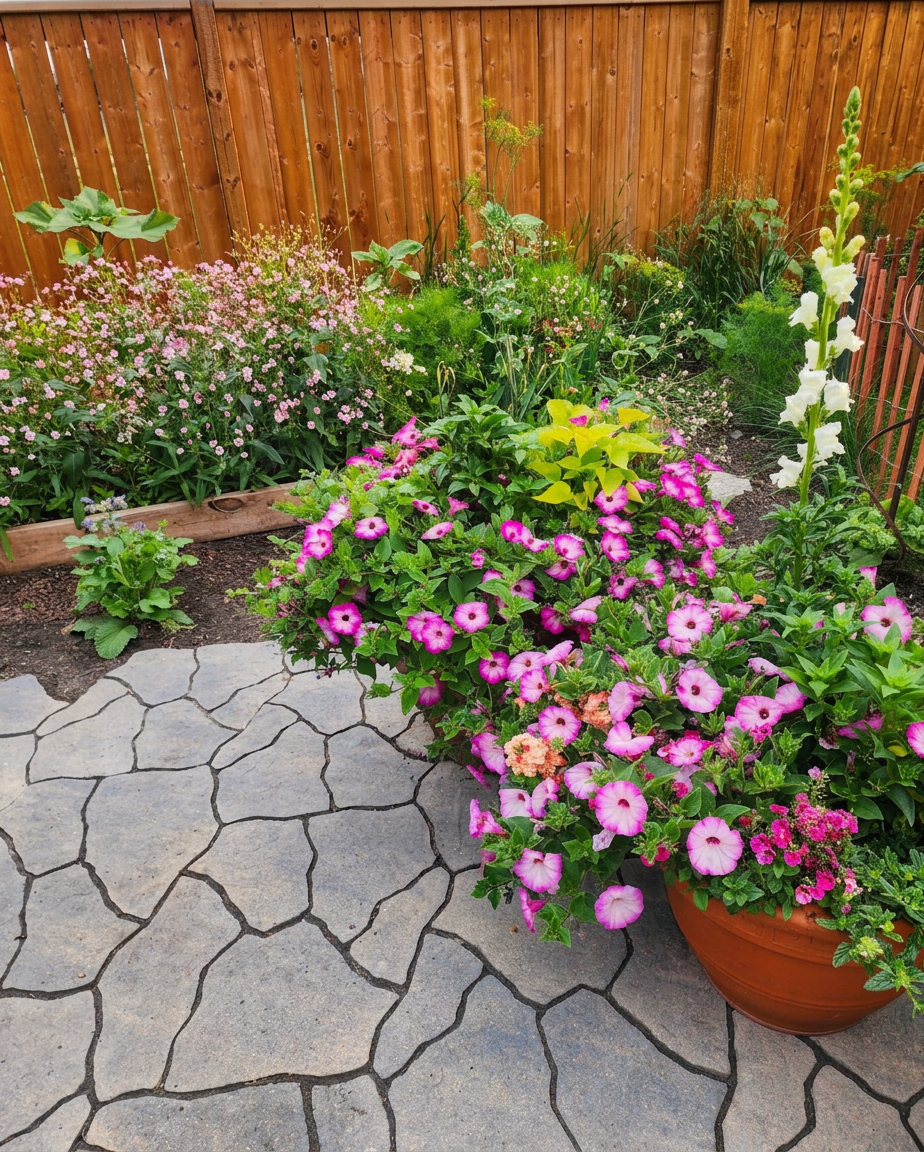
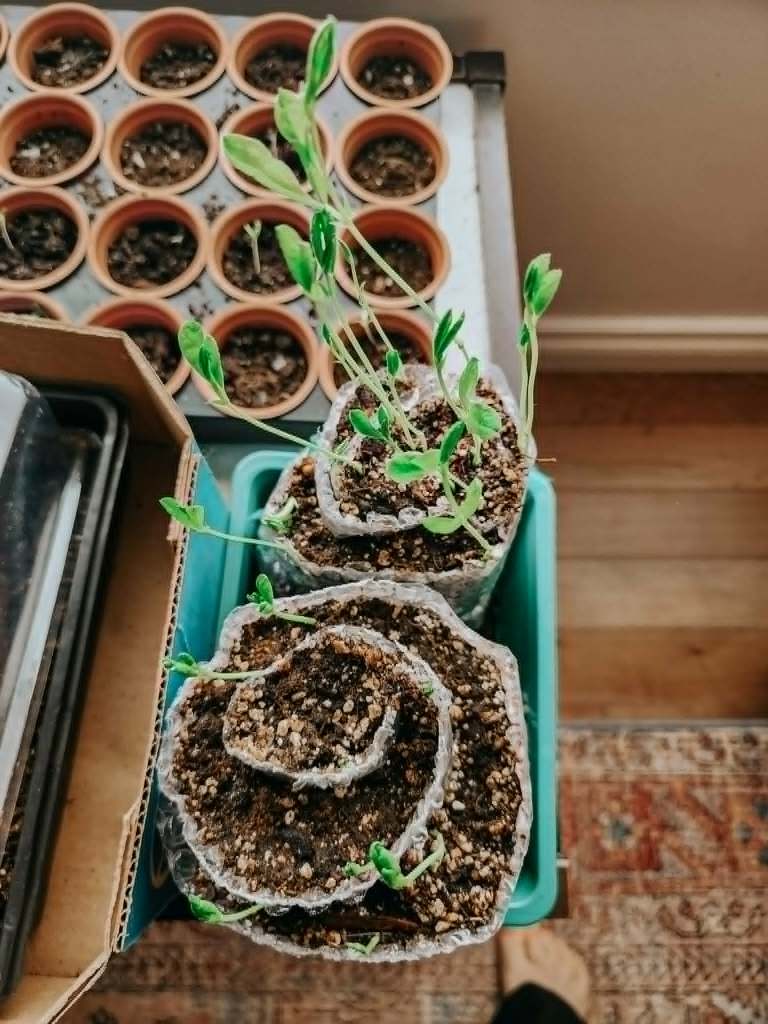
For us here on the prairies, in a zone 3 or 4, it is time to sow forget-me-nots, saponaria (soapwort), calendula, and sweet peas. In early May, I will direct sow zinnias and cosmos.
Here is a tip that I like to use sometimes, for earlier blooms. I will direct sow the seeds into the beds, but also prestart a few or buy a six pack or two to plant in the same area. Then you have earlier blooms followed by a full big flush as the direct sown flowers grow and bloom. Or, as in the picture above, sow soapwort in the same bed early in spring and it will bloom away while you wait for the others to do their thing.
What To Do Now, No Matter Where You Live
- Mow the lawn.
- Feed the lawn (if you are so inclined). Use a fertiliser with corn gluten meal which will keep new weed seeds from germinating in the lawn. Organic and safe to use for pets, people, and pollinators. This will not get rid of existing weeds, just keeps new seed that blow in from germinating. If you are overseeding your lawn to thicker grass, do not use the pre-emergent as it will also keep the grass seeds from germinating.
- Rake the lawn or power rake. Aerate.
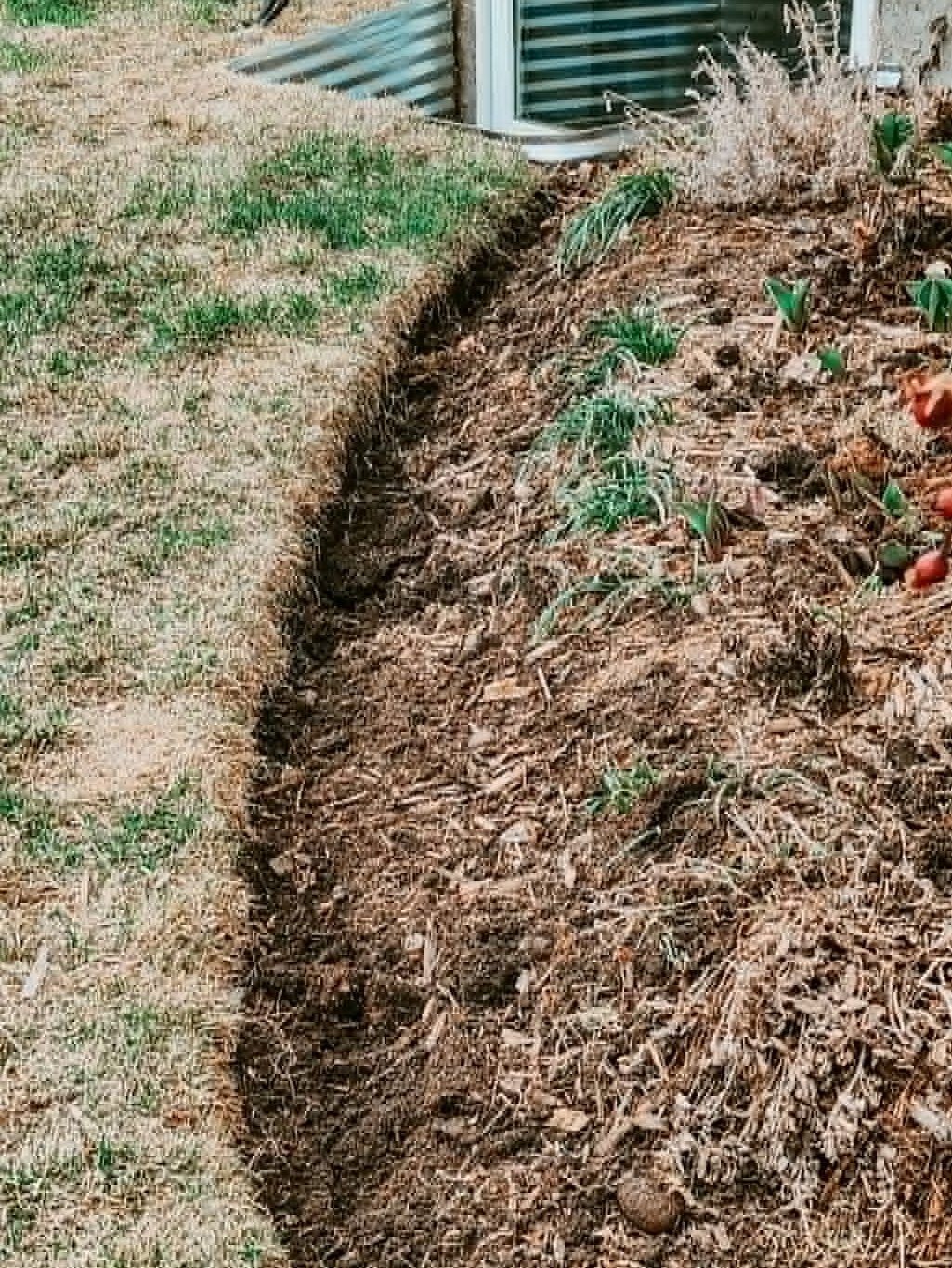
- Edge your garden beds to create a 4 to 6 inch deep trench between the lawn and the bed. This is easy to maintain (looks very British) by edging once a year.
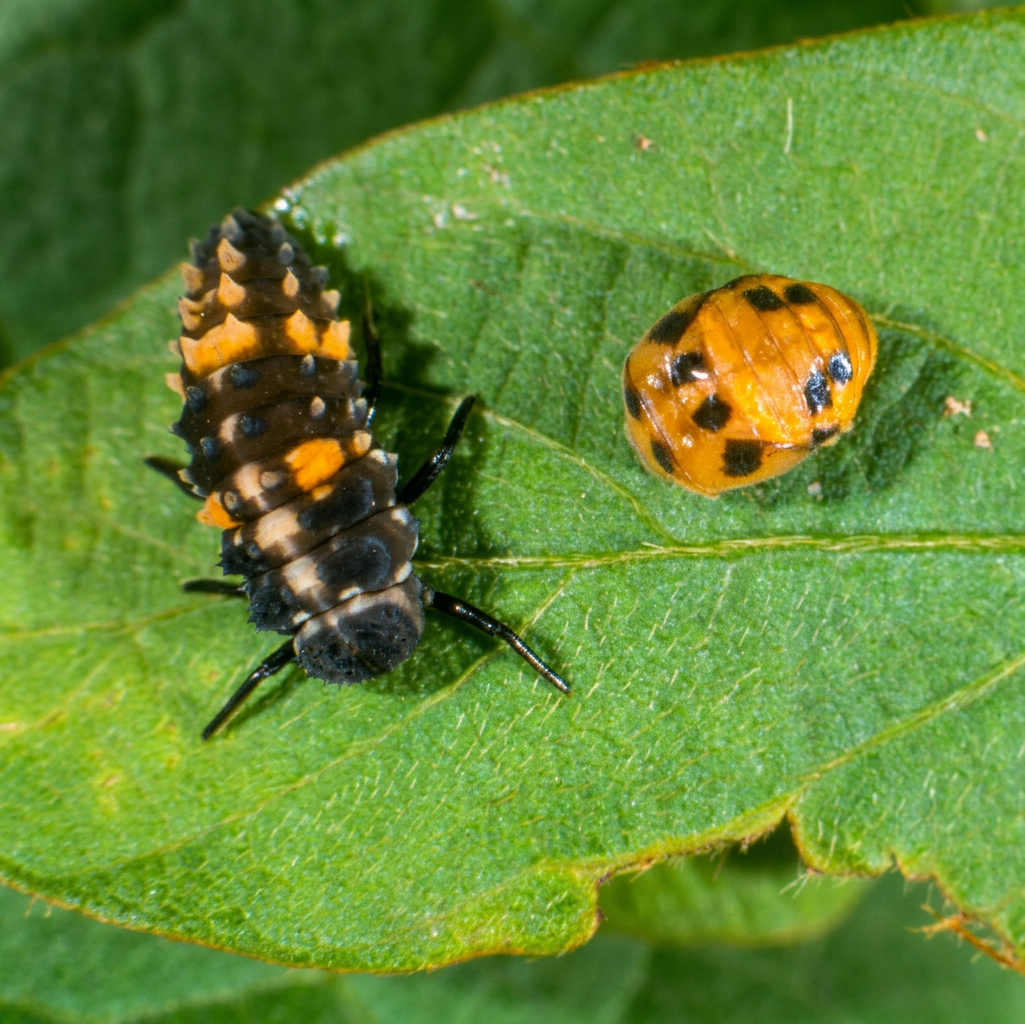
I was at the local garden club last night and an entomology student was sharing insight into beneficial insects of roses. This one thing that she mentioned has to be shared.
Have you been on those social network groups where people are telling others to kill Asian ladybugs? Horrible. This young lady mentioned that none of the ladybugs in Canada are actually native to Canada. They have all come from elsewhere. They are also all beneficial insects that eat aphids and other bad bugs. Some ladybugs may be yellow. Some may have no spots. Some may have lots of spots.
Please, please, please, leave all the ladybugs alone and just enjoy the benefits. Ignore social media when they are telling you to kill things.
And hey… join your local garden club, eh?
Yard & Garden Clean Up
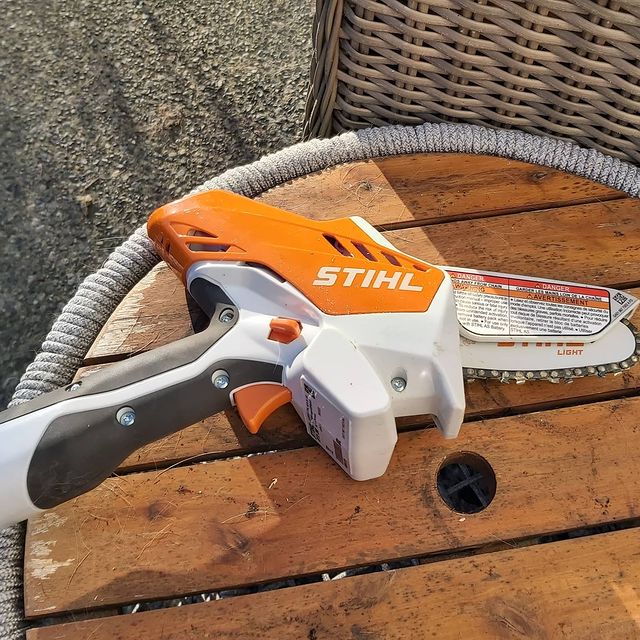
- Prune your hedges, shrubs, and roses. Do not prune your lilacs until they have bloomed or you will be removing all the flowers.
- It is just about time that we can clean up the leaves and last year’s dried up perennial stems. Cut them down, clean them up.
- If you are still seeing a lot of ladybugs, make sure they still have shelter, give it more time, or put the debris in a pile that is hidden from view. They will have laid eggs in those leaves and plant debris, these are the beneficial bugs that will come out and eat the early season aphids and other pests, so you do not want to throw them away.
- Do not spray early season aphids with anything! Not even soap. Watch them for a while, a week or two, and see what happens. Chances are nature will provide you with the good bugs that will clean them right up.
- Feed your trees, shrubs, perennial beds with compost or manure. Add a couple of shovelfuls around the dripline of your trees and shrubs. Do not pile it on the crown/the trunk, but rather where the feeder roots are. The dripline is where the rain drips off of the leaves, around the canopy of the tree. You can do this even if your tree is growing in the lawn. Just rake it out, the compost will work itself into the soil to feed the tree/shrub.
- To feed perennial flower beds, you can either feed each perennial with a shovelful or two of compost, or spread a layer of it on top of the bed. It will work itself to the roots via rain and the microbial soil life. Psst, peonies do not like manure.
I may receive a small affiliate commission if you purchase something through one of my links, at no cost to you. Thank you for your support!
Gardens
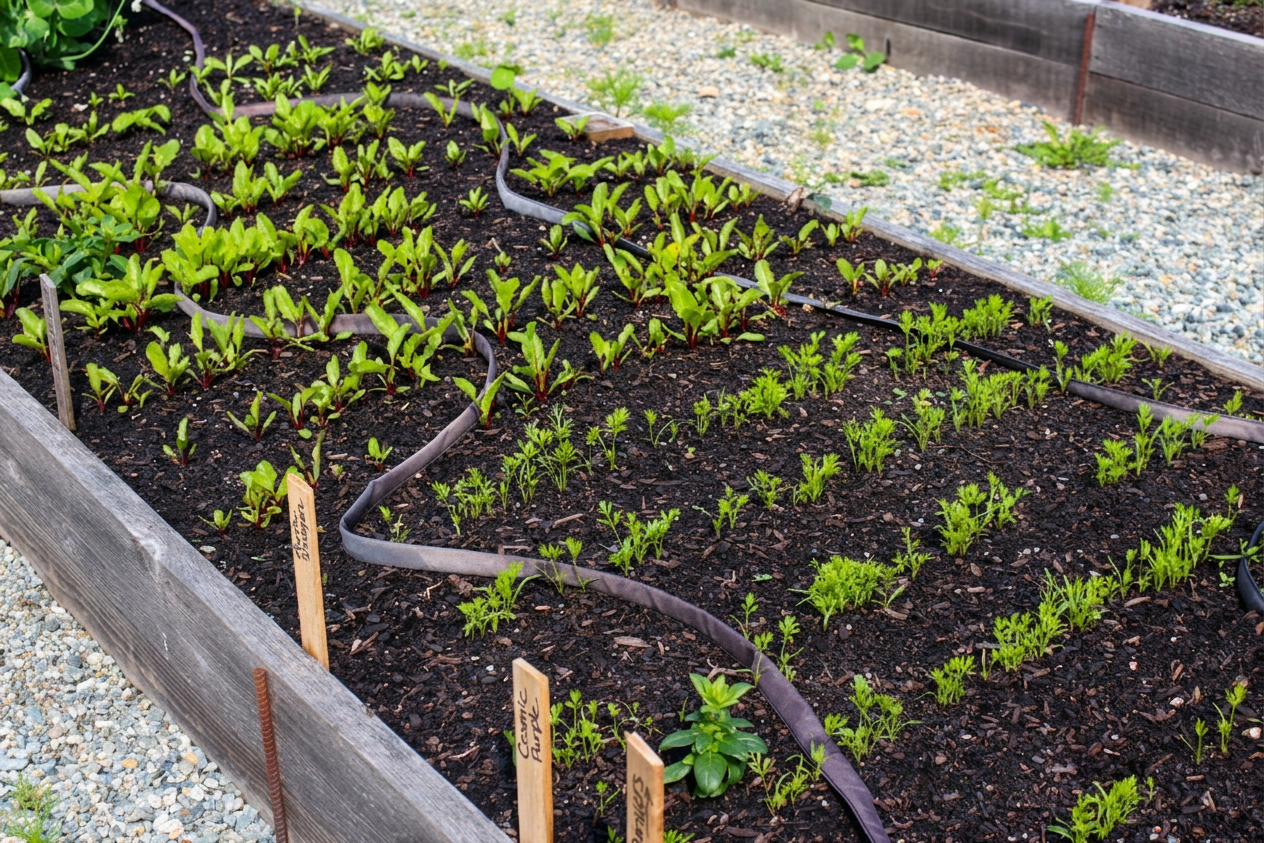
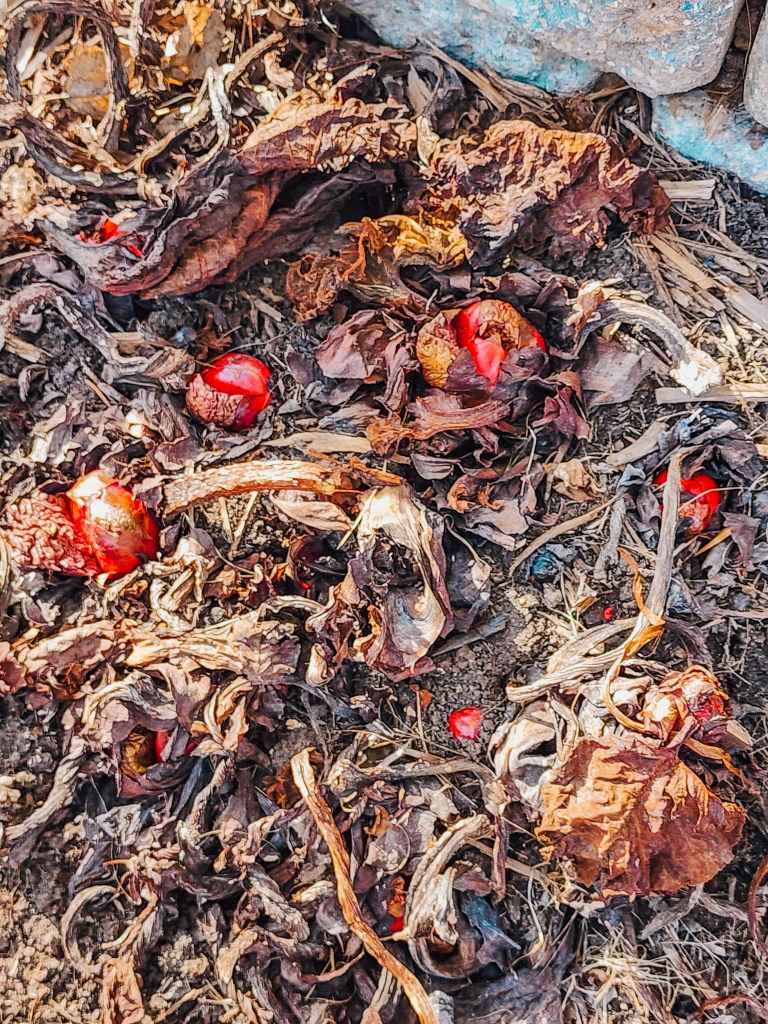
- Feed your food gardens with compost or well rotted manure. If you have never fed them, add up to 6 inches for the best results. If you feed regularly, you may only need an inch, or two… or three ; )
- Layer it on top of the soil, or lightly mix into the top couple of inches. Do not dig it in or turn it as that is how you destroy soil structure which in turn affects how well your plants perform and the size of your harvest. It also brings up buried weed seeds, so if you already have a weedy bed, you’d end up with hundreds more. I use a long handled cultivator to scratch compost into the beds, loosen soil, weeding, digging trenches for planting spuds, etc…
- Weed your beds. Run a hoe through it once a week till the bed has been filled with seeds/plants. This will keep weed seeds that blow in from germinating.
- Sow your radishes, spinach, lettuces, etc… see the list below.
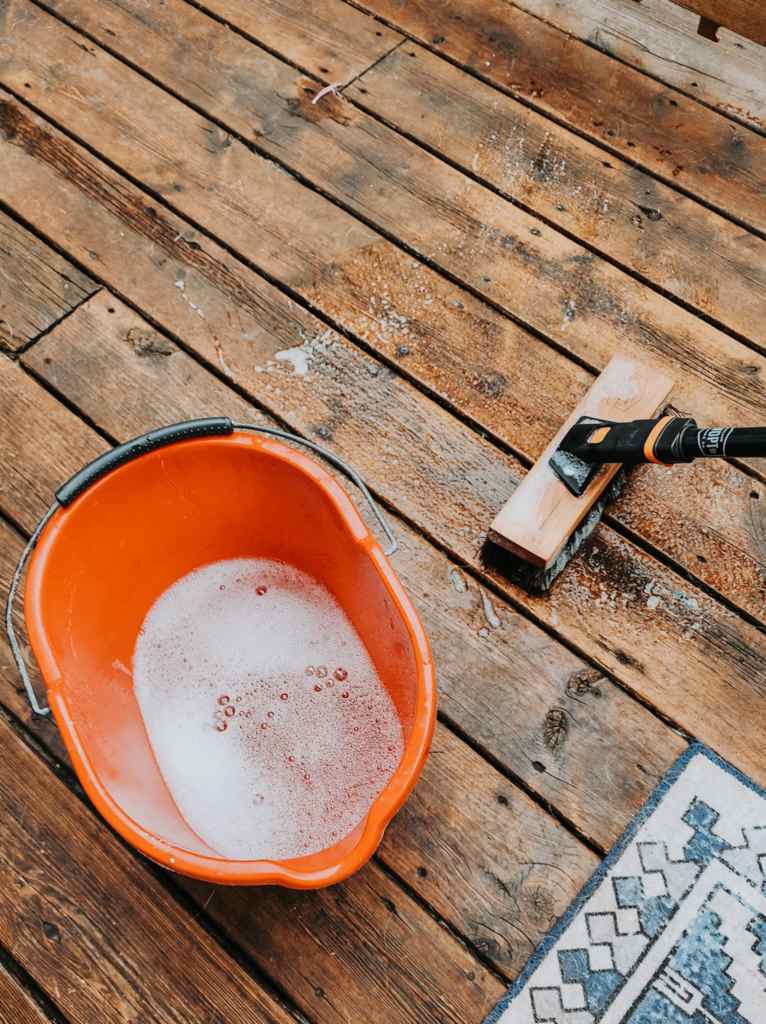
- Washing the deck this week.
- Washing windows.
- Too early for paint and stain touch ups until temps are plus 10 at night, but you can pick up your paint so you are ready to roll in a few weeks time.
- Power wash the house. Green stuff from your siding, dust and dirt on your stucco…
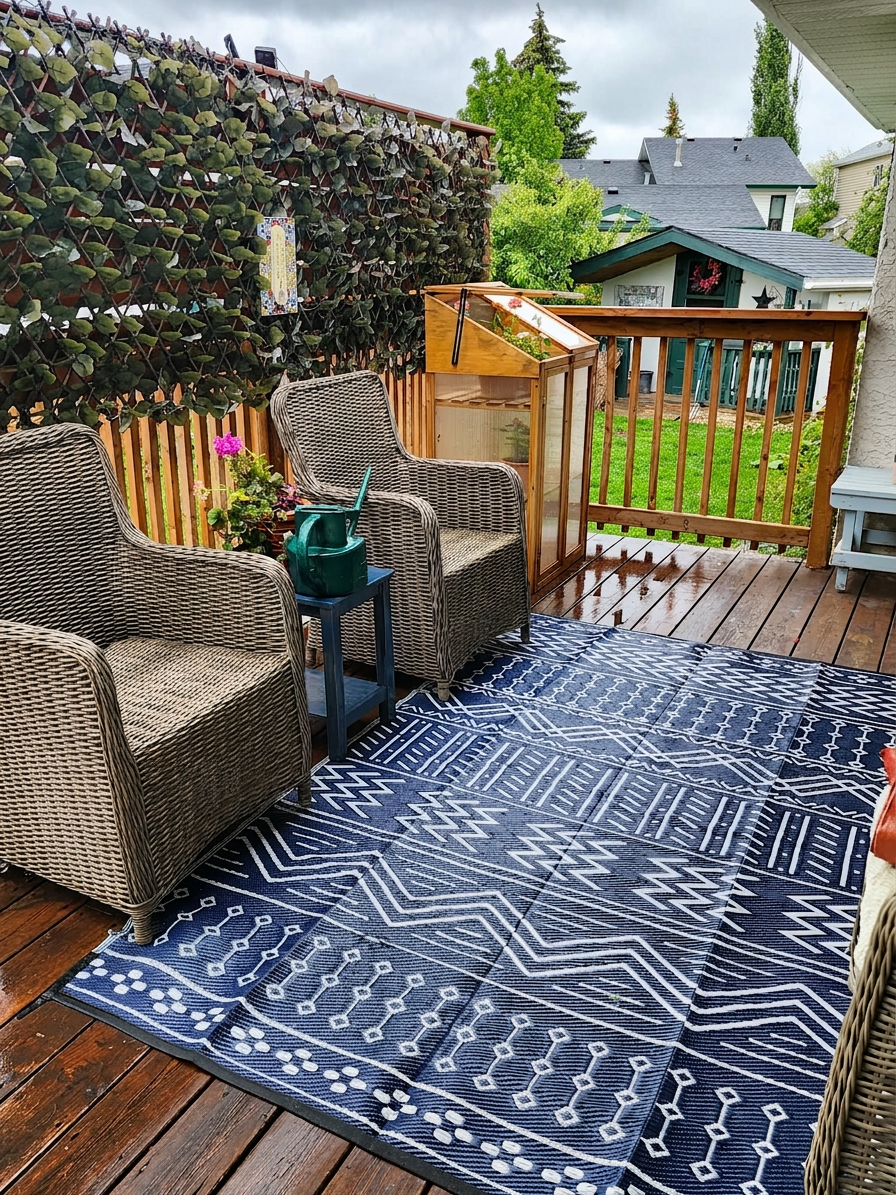
- Set out your patio furniture, mats, flower pots (do not plant them yet)
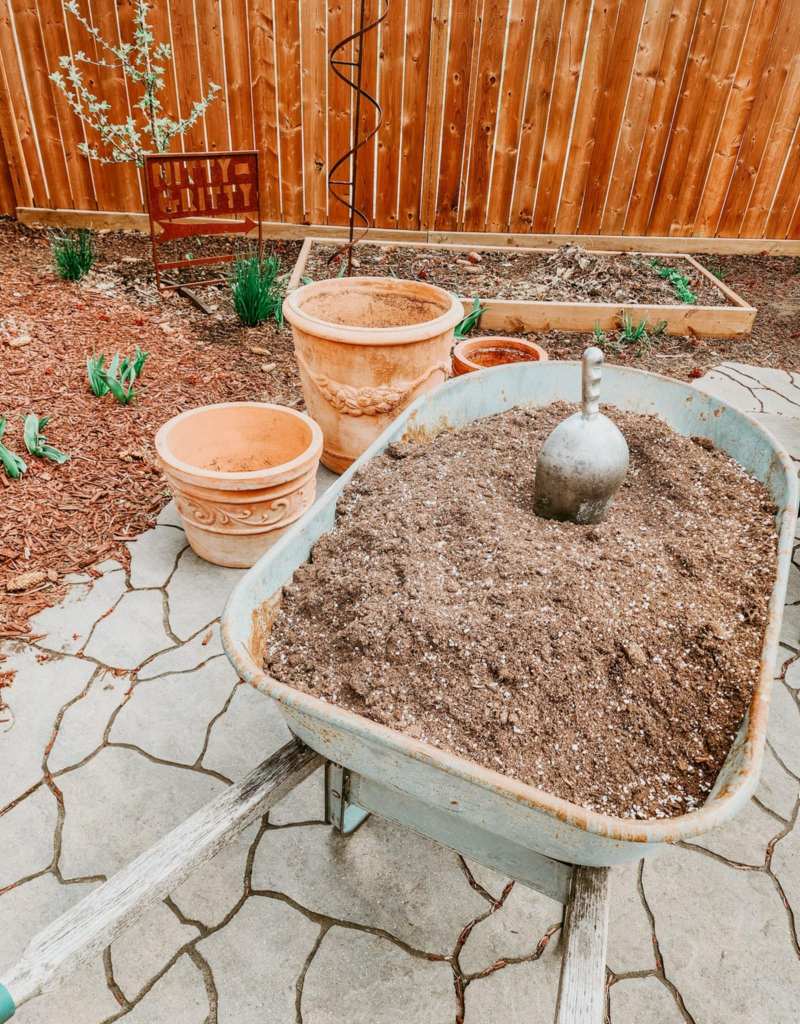
- Mix a good quality potting soil with compost, well rotted, bagged manure, or worm castings and fill up your flower pots, get them ready for planting up.
- My ‘secret’ recipe is easier to remember than the Flower Flower Farm recipe (which I am absolutely sure is amazing). I add 2 or 3 scoops of compost to 5 parts potting soil. Mix well and top up your pots.
- Use less if you are using worm castings, as they are very potent.
- If you are reusing old potting soil from last year, take it out and put it in a wheelbarrow or big container, mix with compost, maybe add a bit of fresh potting soil, too. Refill your pots with the refreshed soil mix.
- Adding a slow release fertiliser is a great idea, too, but I do this at planting time. I like to use one with a larger middle number for more blooming, but you can also use an all purpose feed.
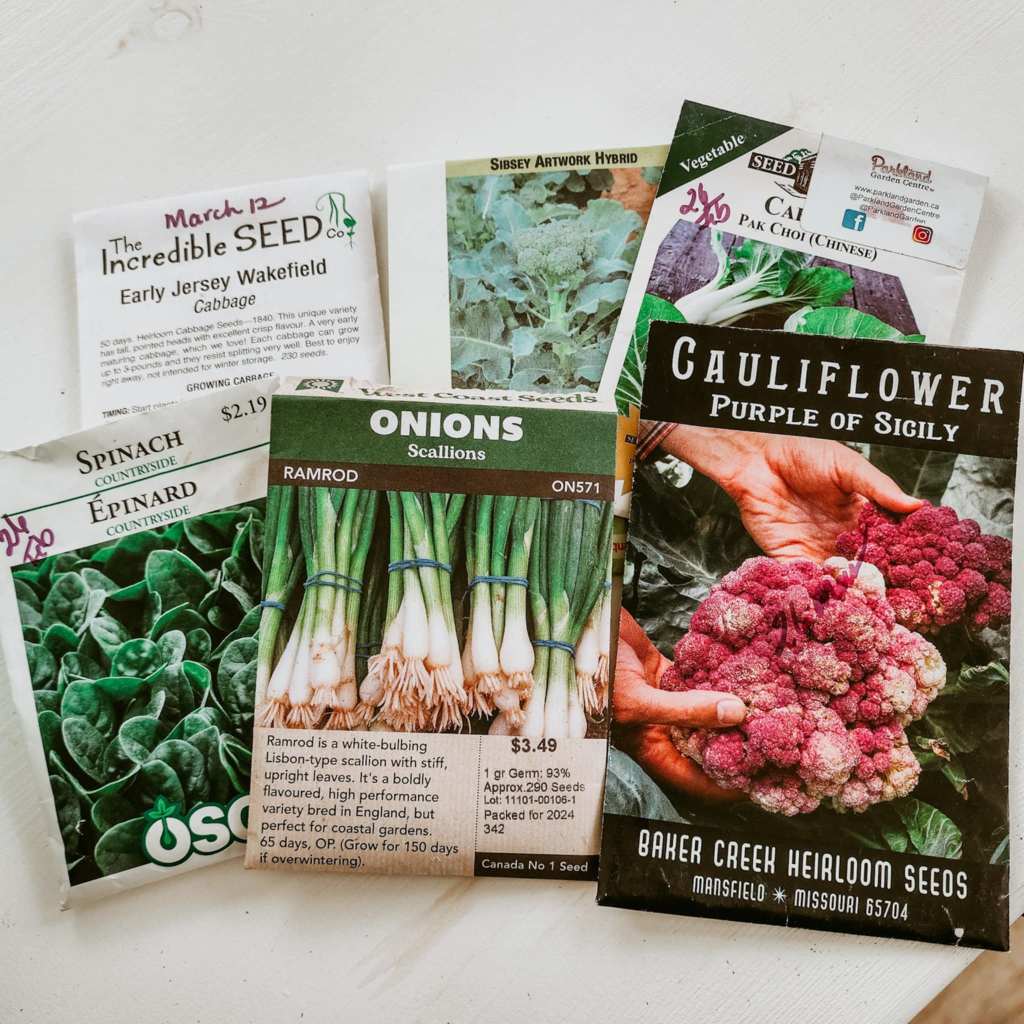
What To Direct Sow Now
- Radishes love the cool soil. Keep sowing a few each week to spread out the harvest. You probably don’t need dozens all at once so if you sow as many as you think you will use per week, you will have a great supply… until it gets too hot and they bolt. That said, I almost prefer radish seed pods to the actual radishes. Almost, not quite, but almost.
- Peas.
- Turnips.
- Sow your carrots and beets when the soil is warmer for faster germination. They germinate so much faster in warm soil, which is helpful with carrots, as they can take up to 3 weeks. Keep the soil moist till you see them sprouting and then cut back on your watering to once or twice a week.
- Lettuce, arugula, spinach, kale, chard can still be sown now.
- Dill, cilantro
- Potato (tubers) only in the warmer areas. Cold wet soil can cause fungal issues, so is best to wait until temps are regularly 5 to 7 degrees.
- Plant out your onion seedlings/sets. Cover your onions with bug mesh if you tend to get onion maggots.
- Direct sow brassicas or plant out your seedlings. They are cool weather veggies that can handle a bit of cold.
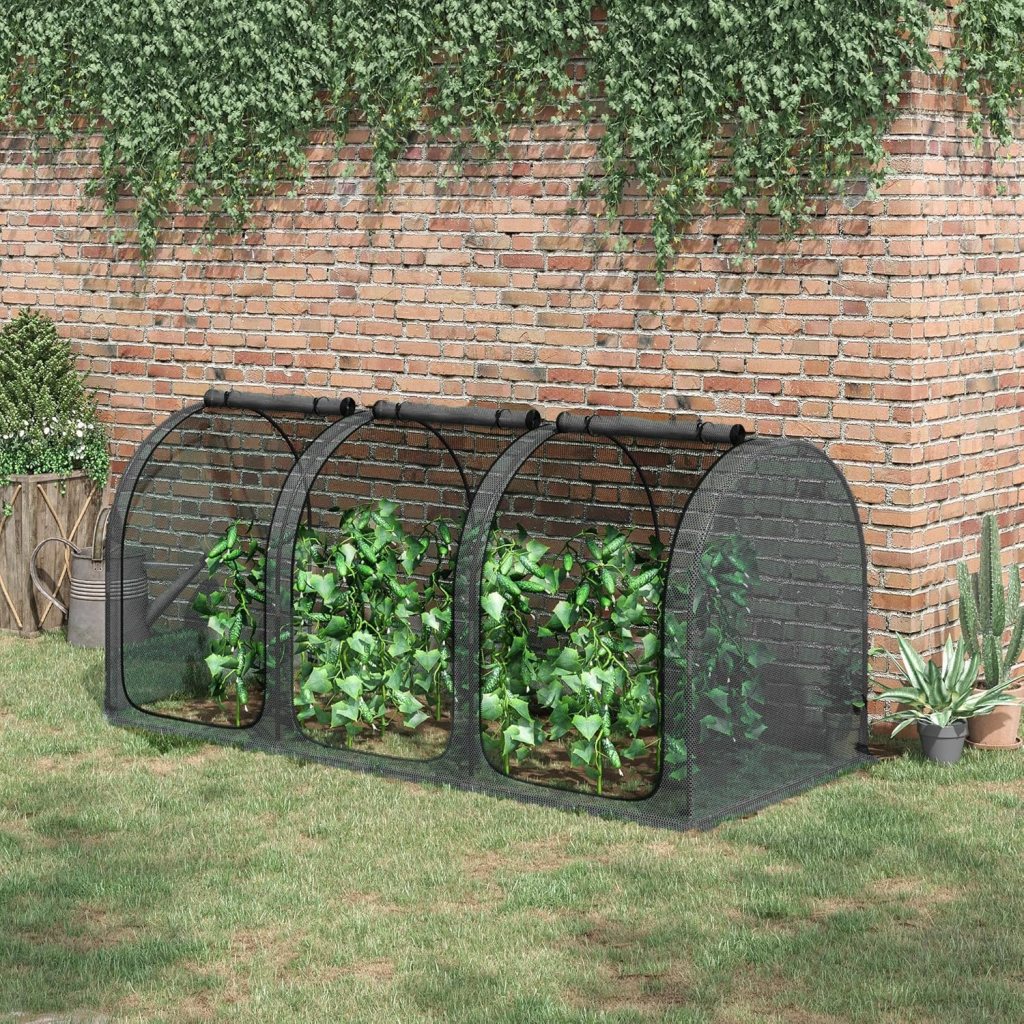
- Cover brassicas (cabbage, broccoli, cauliflower, kale…) with bug mesh, at planting time, to keep out the cabbage moths, caterpillars, aphids and whiteflies.
If you tend to get
- caterpillars on your cabbages
- aphids in your brussels sprouts
- maggots in your onions
- tunnels from the carrot rust fly in your carrots
- squirrels eating your tomatoes, or something
- birds eating your strawberries
- deer eating your crops
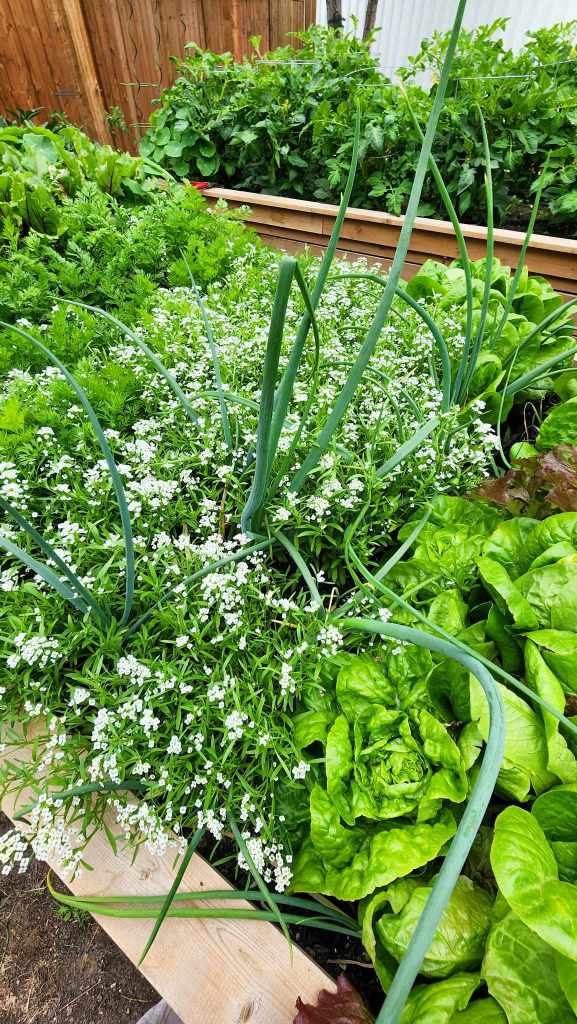
I get onion maggots every year so have only been able to harvest about a third of my onions. The ones that were growing in the sweet alyssum were not affected by the maggots. If pests are confused by strong scents, they are fine… but often times, the flowers that make this happen come later than the maggot flies : (
As hubby has not had time to build me the bug screen cover, I have purchased the bug mesh cover thingie that you see above. I will be putting it on the very same day that I plant out my onions and brassicas.
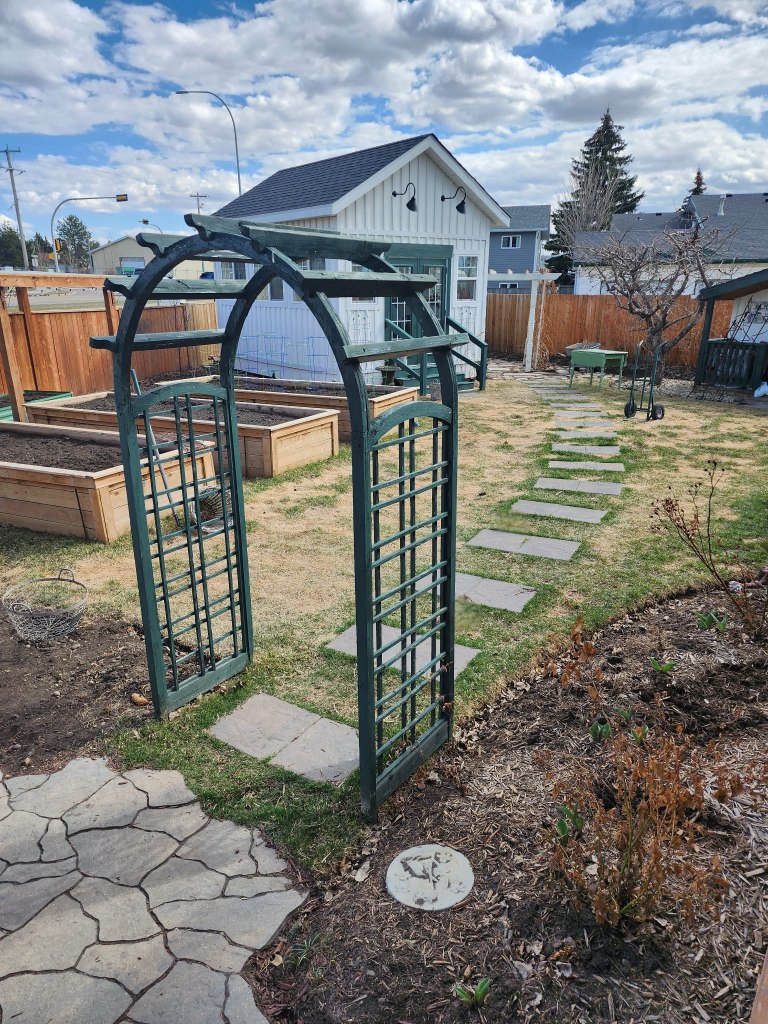
It’s a busy week this week, with all this lovely sunshine. Enjoy!

 The Marigold Potager - A Zone 3 Prairie Garden
Leave a comment