We are finally going to have lovely weather here on the prairies. Great week to get things done. It’s going to be a busy, fruitful week.
The first thing I want to mention is that it is not too late to start just about anything! You still have time to start those seeds. I am just planting up my thyme this weekend! Never too late. That said, it is too late for peppers and eggplants, but hey, pick those up at a local greenhouse. Tomatoes are still okay to start, too, though getting close to being too late. We still have 4 weeks left till the long weekend, but it is early this year so we may not be putting out our tomatoes till the following weekend this year ; )
We are still getting cold nights so ladybugs and other beneficial insects still need their leafy protection. I know you are tempted, but please leave the leaves, etc…
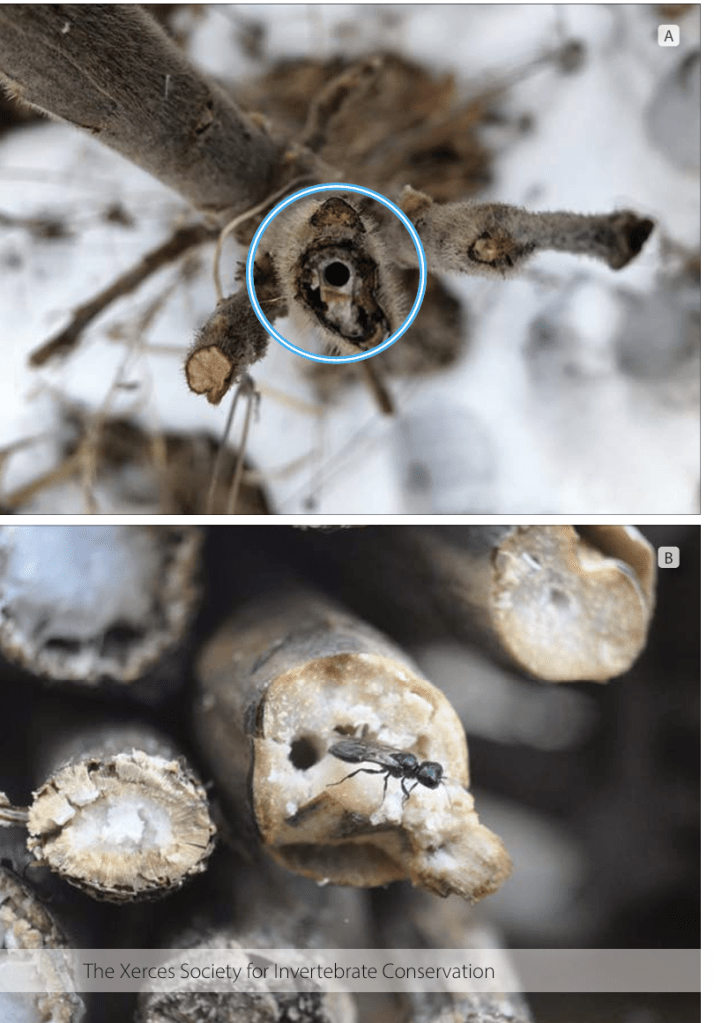
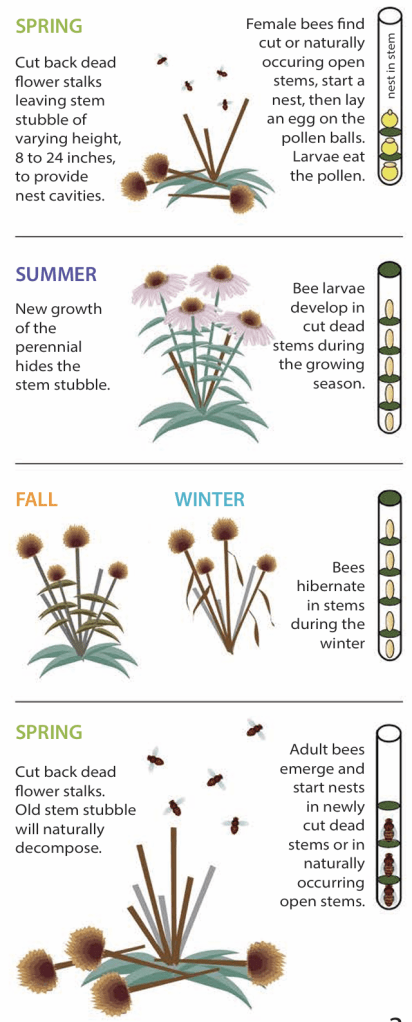
If you want to prune tall flower stalks now, leave them sitting in the yard, in a pile, for a few days/weeks to give the native bees and other wee critters time to vacate the stalks.
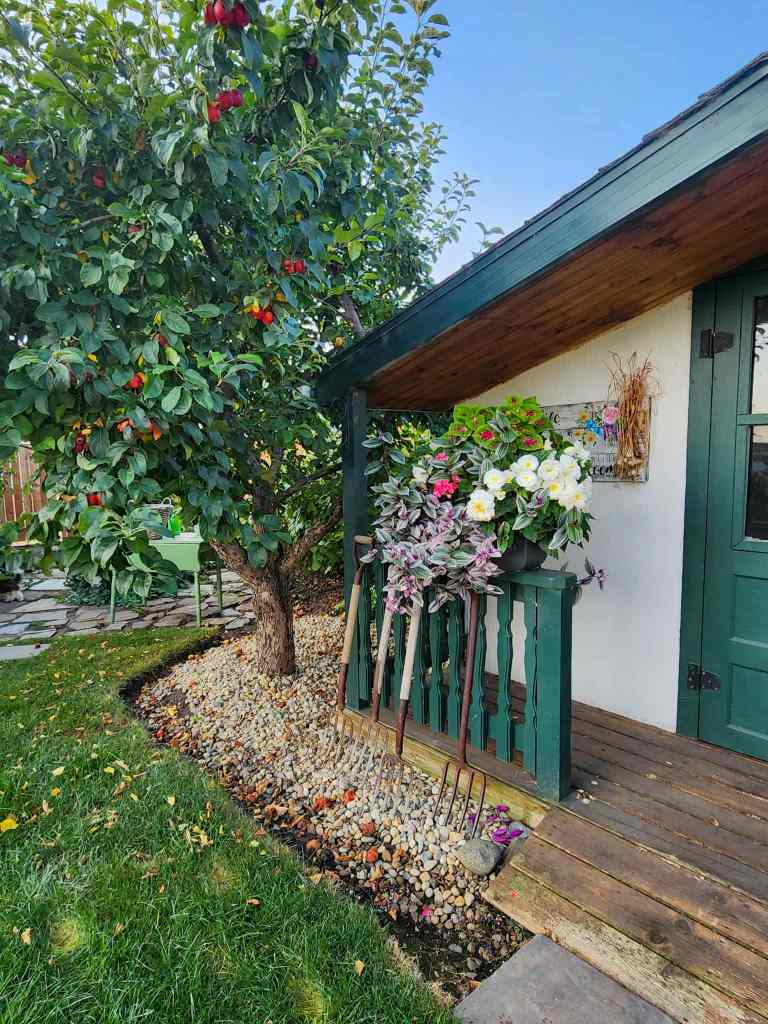
I love sharp edges and deep trenches between my garden beds and my lawn. Now is a great time to edge them while the ground is soft from all the melting winter snow. I use a lawn edger something like this one, but you really do want to do it in early spring as it becomes much harder to do in summer, once the ground is dry.
What You Can Do Now…
- Prune roses.
- Prune hedges
- Prune raspberries
- Prune your hedges now, before nesting season begins.
- Rake your lawn, aerate, power rake, fertilise.
- For dead patches, use a rake or a garden claw to bare the earth. Water the soil. Sprinkle new seeds liberally on top of the soil, they must come into contact with the soil to germinate. Cover with soil or peat moss. Water in.
- Edge your lawns.
- Wash the deck (with an environmentally safe soap).
- Sweep and clean off your patio.
- Wash your windows (okay, that is a me thing.. I gotta do that ; )
What To Start Now…
- Your brassicas, if you have not already done so – cabbage, cauliflower, broccoli, kale, collards, broccolini, rapini… all the gassy veggies love cool weather ; )
- Lettuces, mesclun, bok choy, chard
- All the melons – watermelon, honeydew, cantelope
- Flowers – calendula, alyssum, marigolds, tagetes, zinnias, cosmos, nicotiana, stocks, any other annuals and biennials that you want to prestart indoors ahead of time.
- Gladiolas already, set them in a shallow pan (pie pan, etc..) with water so that they get a head start. I ordered mine from Vesey’s but they will not ship them till it is warmer here, so not sure how much of a head start they will get but I will soak them as soon as I get them!
- Dahlias, lilies, cannas, callas, all the bulbs can be started in pots now for a head start on summer blooms.
- Feed your seedlings with a mild, organic fertiliser.
What To Direct Sow This Week …
- Lettuces, chard, kale, and other greens. It may be late for spinach but no harm in trying if you did not get it in earlier.
- Brassicas – take a chance and direct sow.. especially in an unheated greenhouse. Seedlings will also do just fine in the greenhouse.
- Radishes
- Carrots and beets, if you want. I wait till May, when the soil is warm. Beets sown into cool soil do not tend to make big roots, are grown mostly for their tops as greens.
- Peas – snow peas, snap peas, garden peas
- Sweet peas. Do not plant ornamental sweet peas and edible peas together as they are toxic.
- Calendula
- Echinacea
- Larkspur
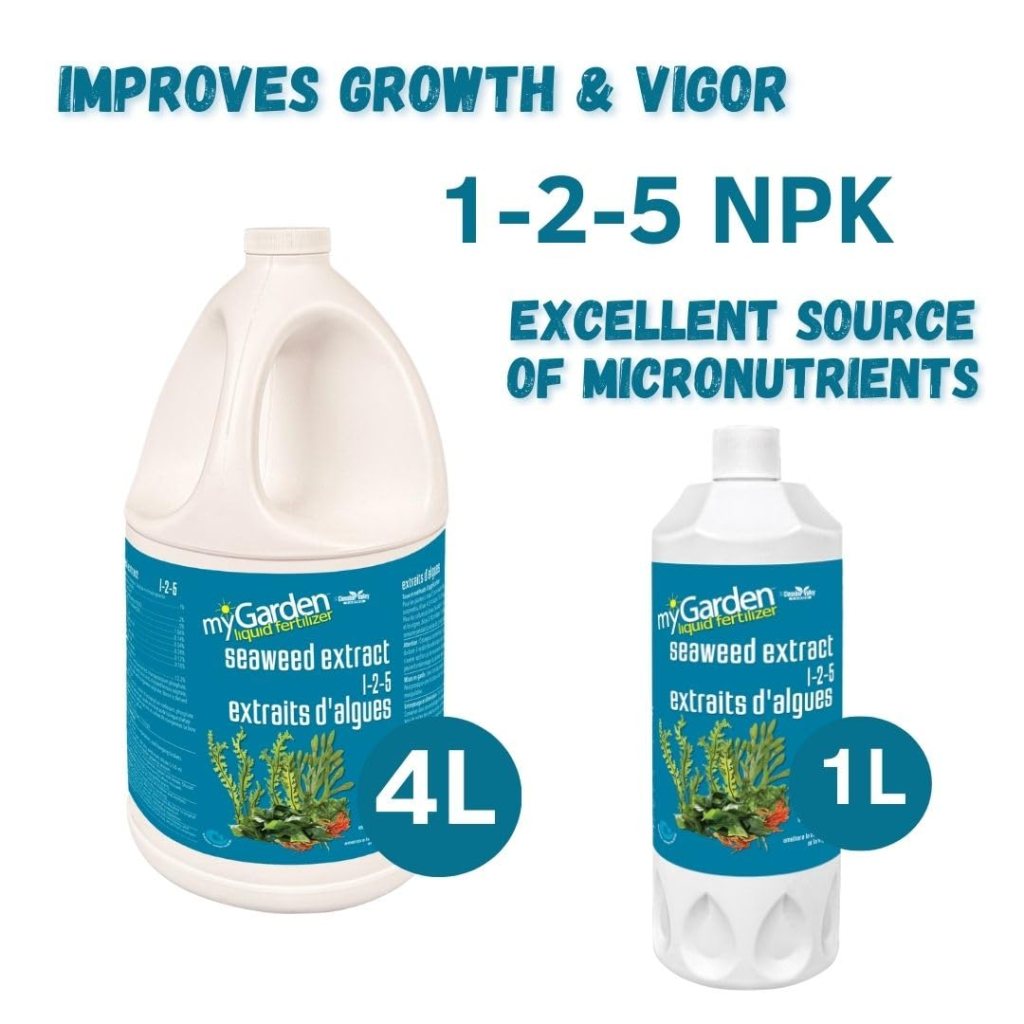

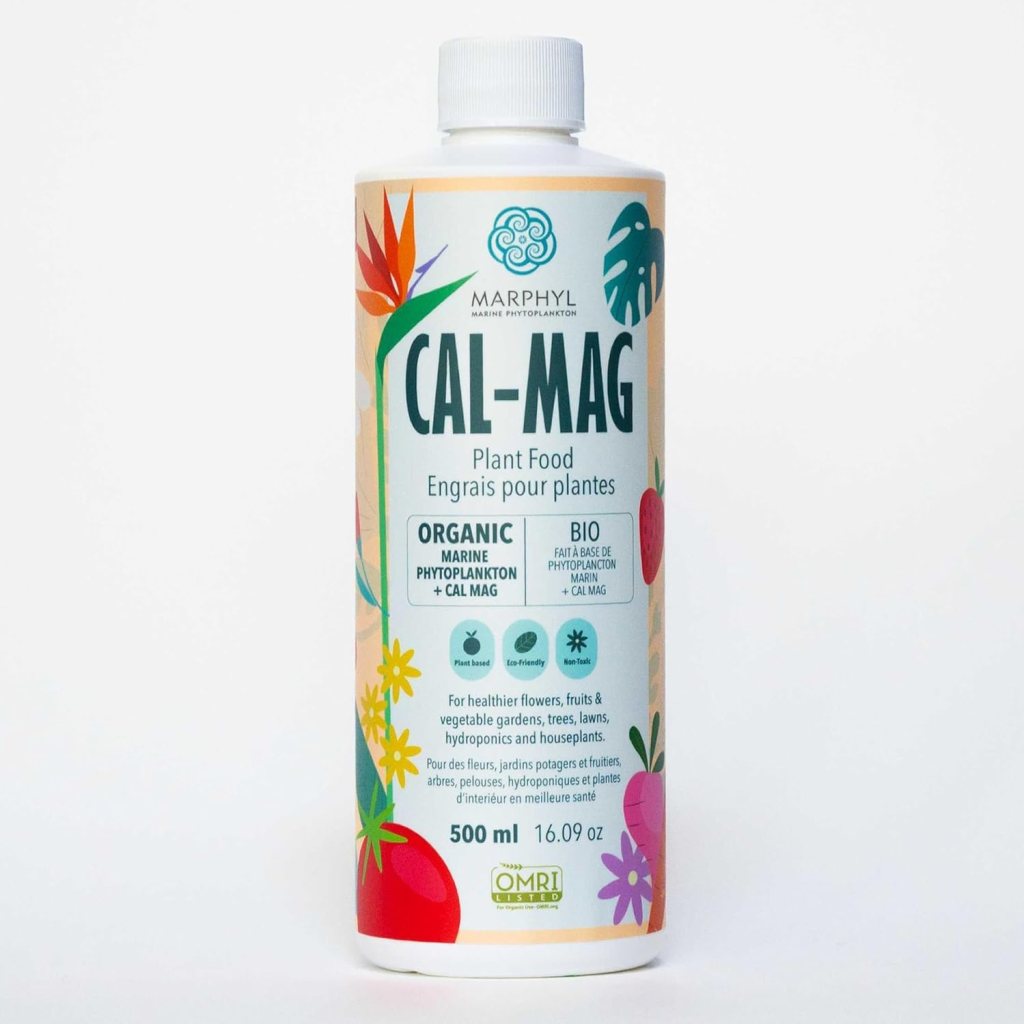
Feed your seedlings with an organic fertiliser, like the ones above. They are all Canadian sources. This stuff is great to….
- Great for spraying on your garden soils to promote healthier soil.
- Great for spraying directly on your seedlings. This is called foliar feeding.
- Great as a mild water in fertiliser for new seedlings and for anything newly planted. Helps them root in better/faster.
- The Cal-Mag has both the benefits of seaweed, plus calcium and magnesium to help prevent Blossom End Rot on tomatoes and peppers.
Here are this week’s Q&A’s…
- Question – When do I prune back my raspberries?
- Tanja – In spring but after the air and gardens are warm enough for the overwintering insects to have left their winter homes in your leaves, straw, and even from inside the old canes. Leave your perennial flower beds standing till end of April, also.
- Question – How do I prune my raspberries. ( I get this one a lot, lot, lot)
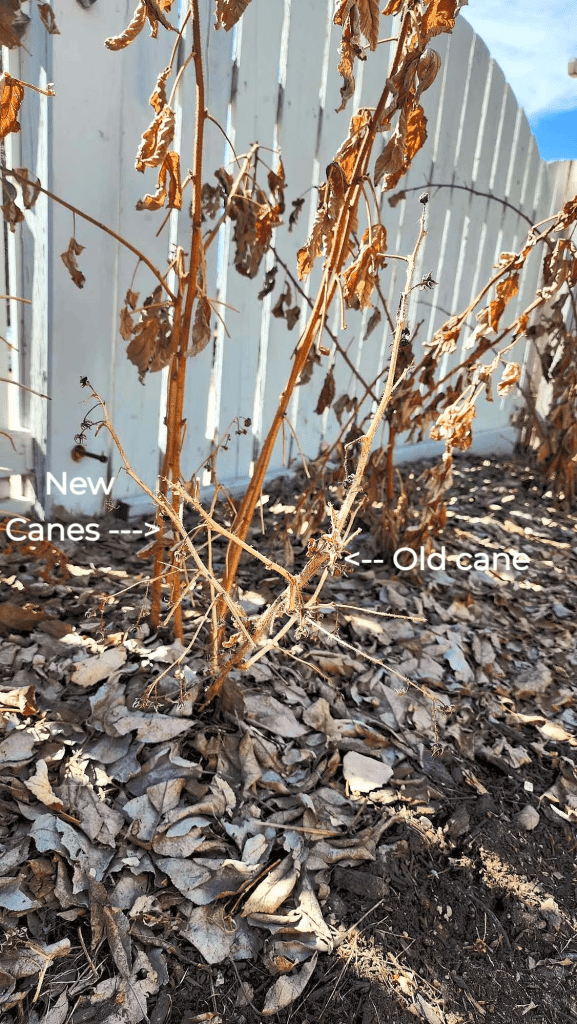
- Tanja – Your summer fruiting raspberries are super easy to figure out in spring as the old canes will be splitting and have last year’s fruit caps on them. They will literally look old. Cut those off at ground level, leaving only the new stalks that came up last year. They are tall, and straight, will be putting out new leaves now/soon. No fruit caps or splitting bark.
- Everbearing/fall bearing are more complicated. See this how-to.
- Question – I have read that I can put 2 peppers in 1 pot, that they provide support for each other. Have you ever tried planting 2 different peppers in a pot together?
- Tanja – Yes! I have often planted 2 peppers in a pot together and they do just great. Twice the peppers in half the space. I have always planted 2 of the same variety though, so I can use just one plant label (hahaha, totally serious) but to gift someone a pot with 2 peppers, like maybe a hot and a sweet for salsa making, would be a wonderful gift! They will love living together.
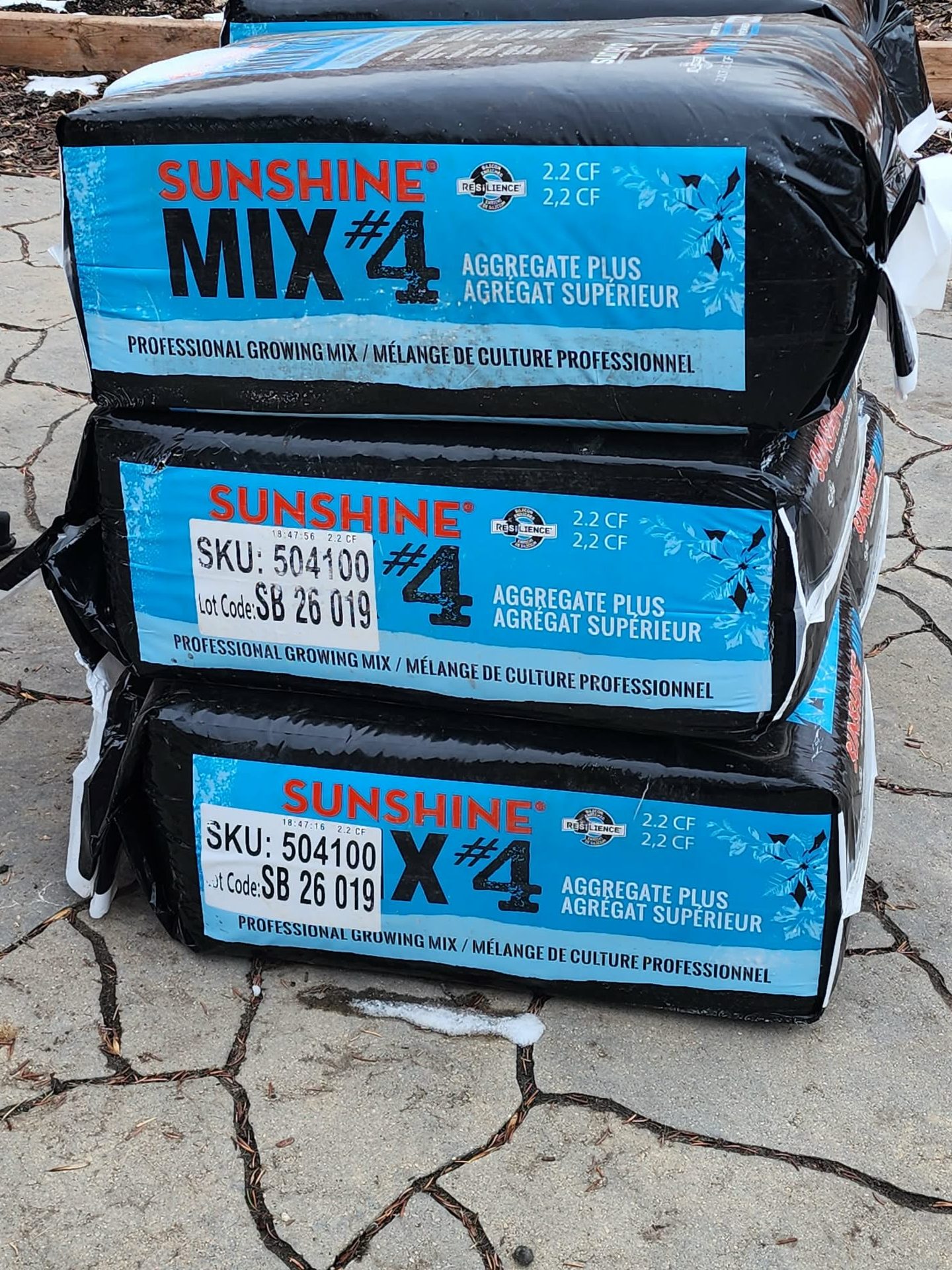
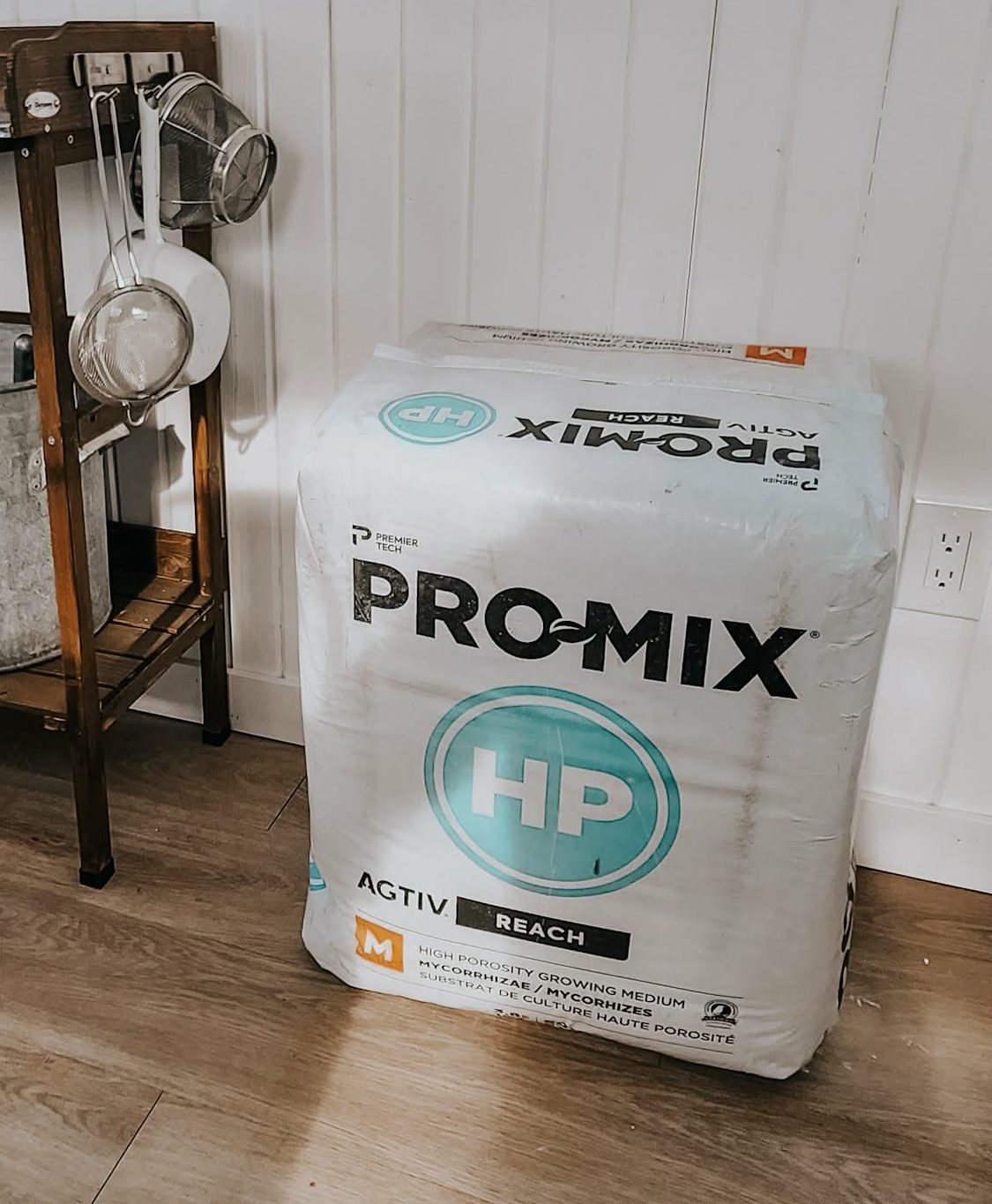
- Question – Good morning, Tanja. What premium potting soil do you recommend?
- Tanja – I use either Sunshine #4 with Mycorrhizae or Pro-Mix BX. They are my top picks, but I would use the ProMix Veggie in the blue bag if the others are not available. I do not use seed starter mix and nothing with moisture beads or other stuff like that added to it. Just a good porous potting mix, add in some compost or manure.. good to go.
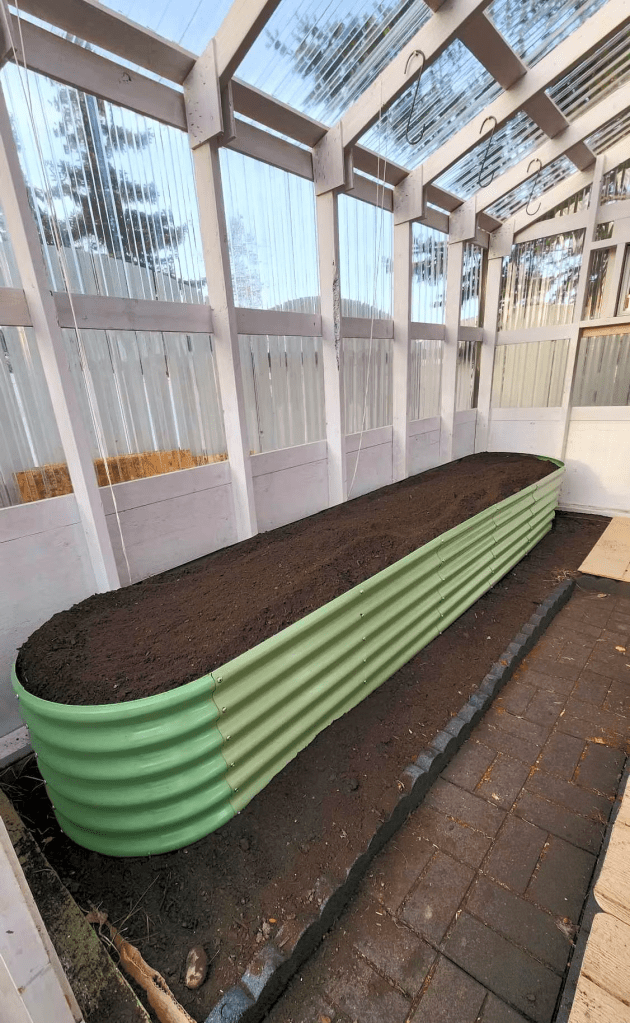
- Question – Can you comment on both the traditional wooden raised beds vs the metals one? I am partial to wood for esthetic reasons, knowing that metals ones are probably better for the pocket book.
- Tanja – I love the metal raised beds so much that I almost want to take down the three raised beds that we built just 3 years ago, hahaha. I shared this a bit ago, a trial that another blogger had done with wood versus metal beds.
I may receive a small affiliate commission if you purchase something through one of my links, at no cost to you. Thank you for your support!
- Question – Do I start watering now that the sun is out and the snow has melted away.
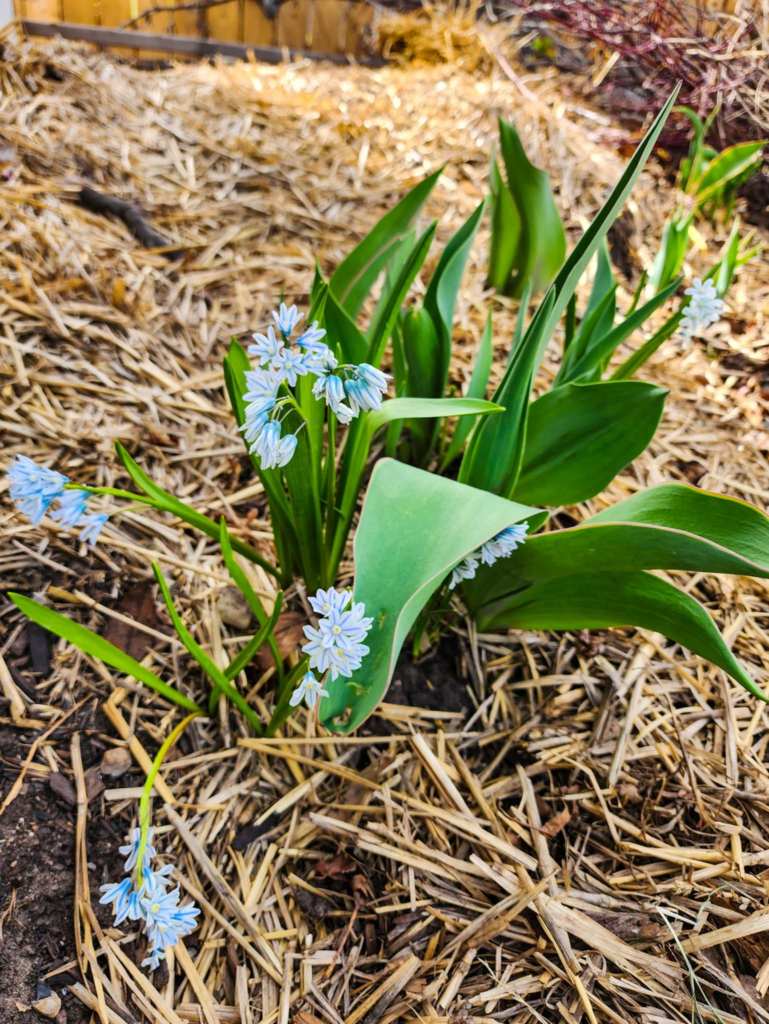
- Tanja – You can, in south facing dry areas, but probably will not have to do it yet for the other areas yet. While the ground is dry on top of the soil, underneath is likely still damp, and might even be frozen if it is a shady area. I would wait for a few weeks. The tulips and crocuses that are blooming under your eaves can probably use a drink though as they never get a lot of snow on them and the flowers will soon dry up and die off for the year if it is super dry.
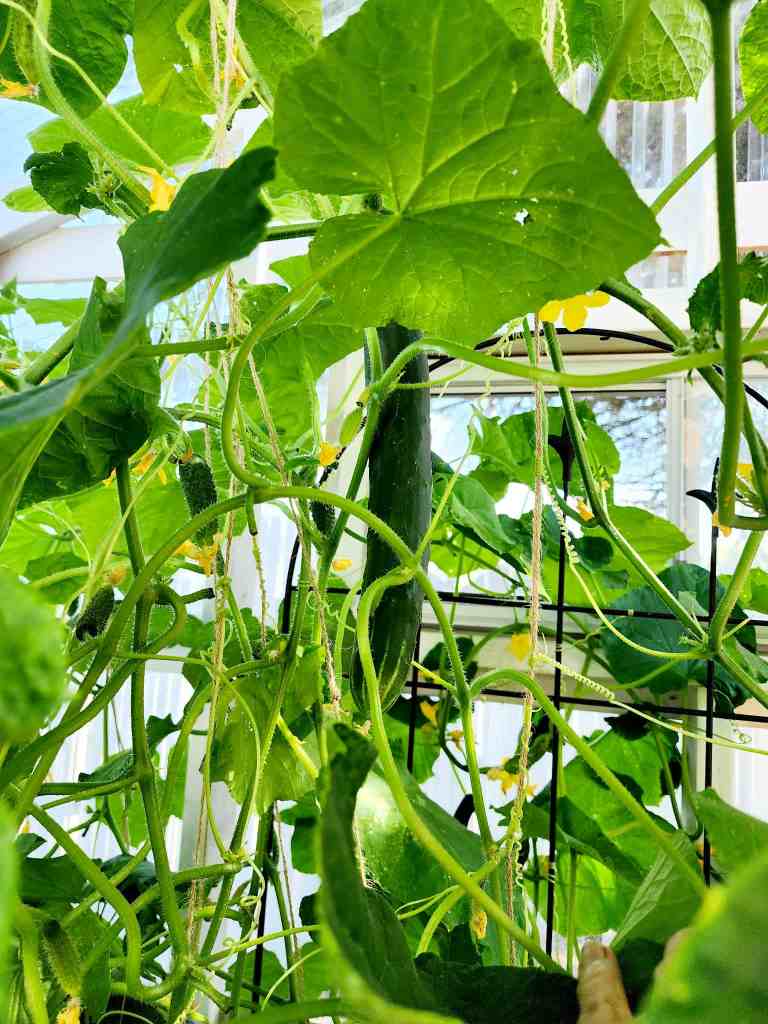
- Question – What are your thought about cucumbers? They are starting to outgrow their pots but it is too cool outside to plant. I know that they do not like their roots disturbed so do I replant into bigger pots or leave them till the weather warms up?
- Tanja – If possible, I would pot them up into bigger pots without touching the roots. Just pop it out of the pot and straight into a bigger pot as rootbound plants will not thrive. With any luck you can transplant it into the ground in a few week’s time into a nice, big hole. When they are started this early, they may not transfer well.
- Ideally, one direct sows cucumbers and squash into the beds when the weather is warm (see above for the bare bottom comment). Or, start them just 3 weeks before the last frost date so they are nice and small, transplant well, but you still get that head start.
- Tip – I succession sow cucumbers as they tend to peter out with powdery mildew before first frost. So, I sow some in May, and then sow a few more at the end of June/early July for fresh cucumbers till the very end of the season.
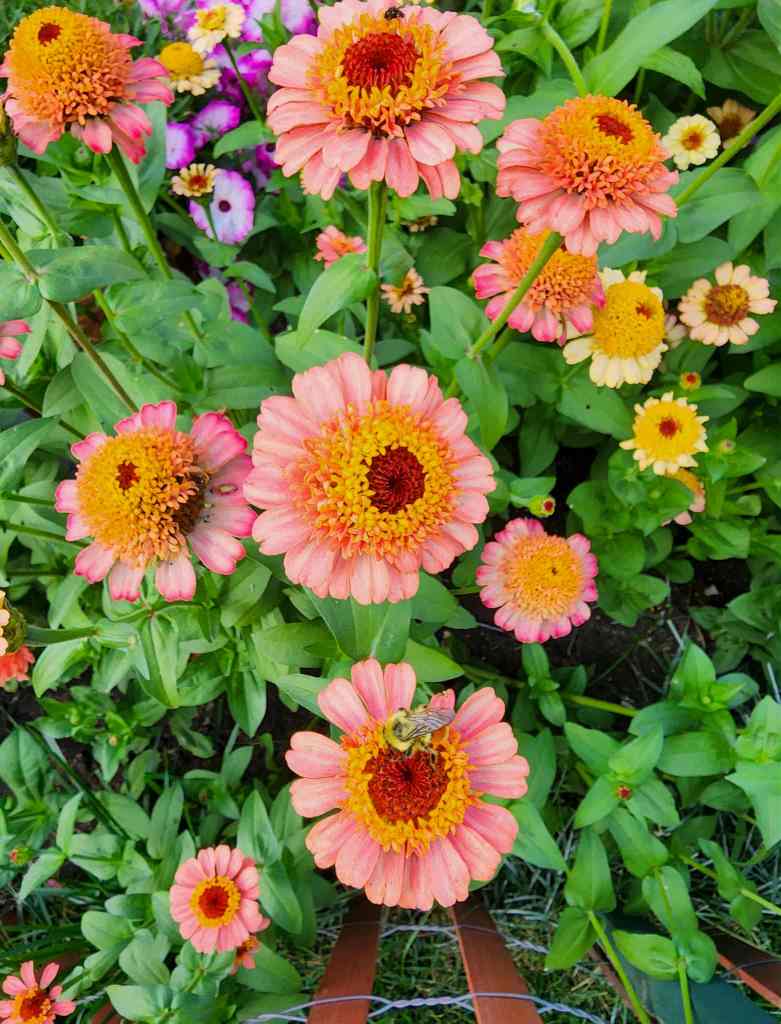
- Question – We are still getting frost and it is cold, should I hold off on seeding my zinnias and cosmos?
- Tanja – If you are direct sowing, you can sow the seeds about a week before your average last frost. This means mid to late April on the west coast and 2 weeks later here on the prairies.
- Question – Does this mean that if we started them inside we can now plant them out, after hardening them off.
- Tanja – Sadly, no. The seeds are underground so are safe from any late frosts, while seedlings would be exposed to the elements. Zinnias/cosmos/dahlias do not like frost. Harden them off after your last frost date and then plant them out.
- Question – When do you pot up your dahlias? Or do you just plant it right out into the garden?
- Tanja – I wake up my dahlias just 3 or 4 weeks before last frost by potting them up into a 1 or 2 gallon pot (depending on the size of the tuber). This means earlier blooms in summer, rather than waiting till August. They do not like cold soil or cold temps, so plant out around the time that you put your tomatoes out.
- Question – Do you soak your asparagus roots before you plant them?
- Tanja – Yes! Rehydrating the dried out roots and root hairs is key to getting them off to a good start. Often, if you just plant them as is, they fail to take off and die in the garden. I soak them in seaweed water while I make the planting trench, so soaking anywhere from 20 minutes to an hour or two.
- Use warm water and add a ‘glug’ of liquid seaweed or kelp. Even warm water will work but the seaweed feeds the root hairs as they are rehydrated.
- Tip – I also do this with bare root strawberries.
Have a great week, see you soon again.
Thank you for the questions! Tanja

 The Marigold Potager - A Zone 3 Prairie Garden
Leave a comment