This new series is kind of a ‘what to do now’, from week to week. While you can totally get away with doing absolutely nothing gardening related until spring, depending on what you like to grow, these are ideas of what to start and when, what I am doing or will be doing.
What to do this week – week 5 of 2026.
Houseplants
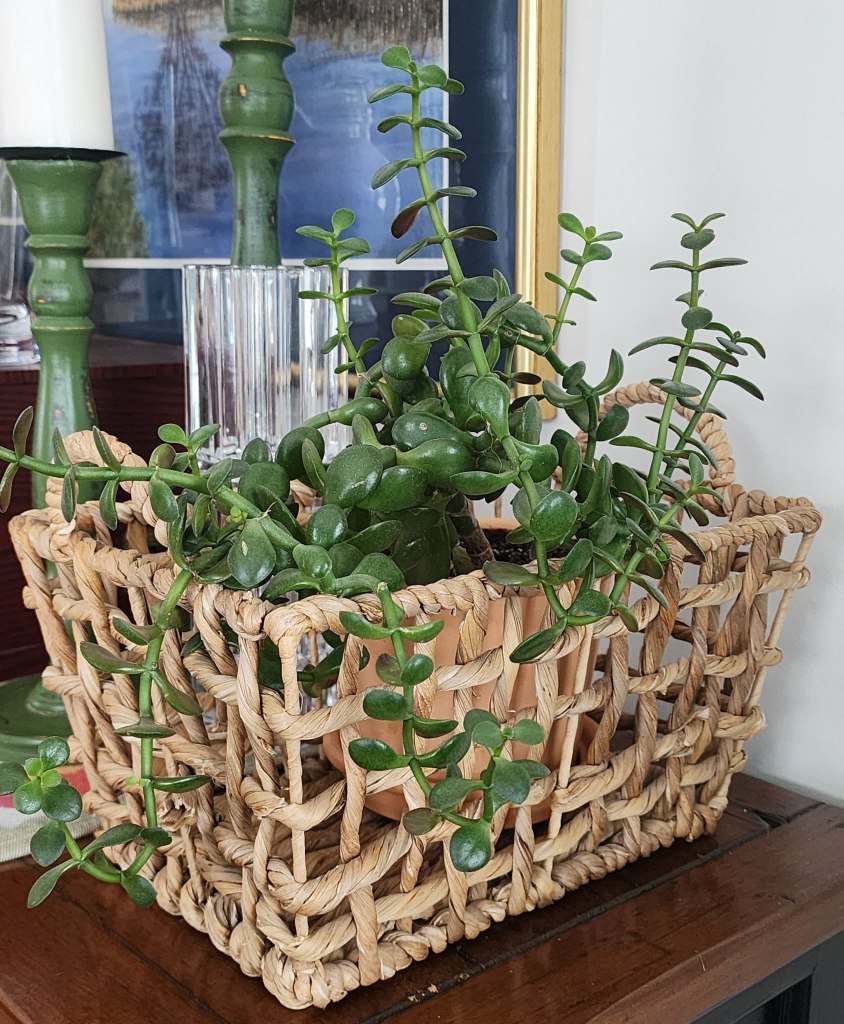
- Give Them A Shower – All winter, we have been watering sparingly as most plants are sitting pretty dormant, not using much water during these short days. This is an excellent time to haul them into the shower, or the kitchen sink, to wash the dust off the leaves, hose off any dead bits, and give them a really good soak till the water is running freely out the bottom.
- Wash The Saucer – while your plants are drip drying on the shower bench, give their saucers a good clean to get rid of potential diseases or fungus gnat issues.
- Primp – pinch off any lanky bits, dead leaves, spent flowers. Give a bit of zhuzhing.
- Repot – if needed.
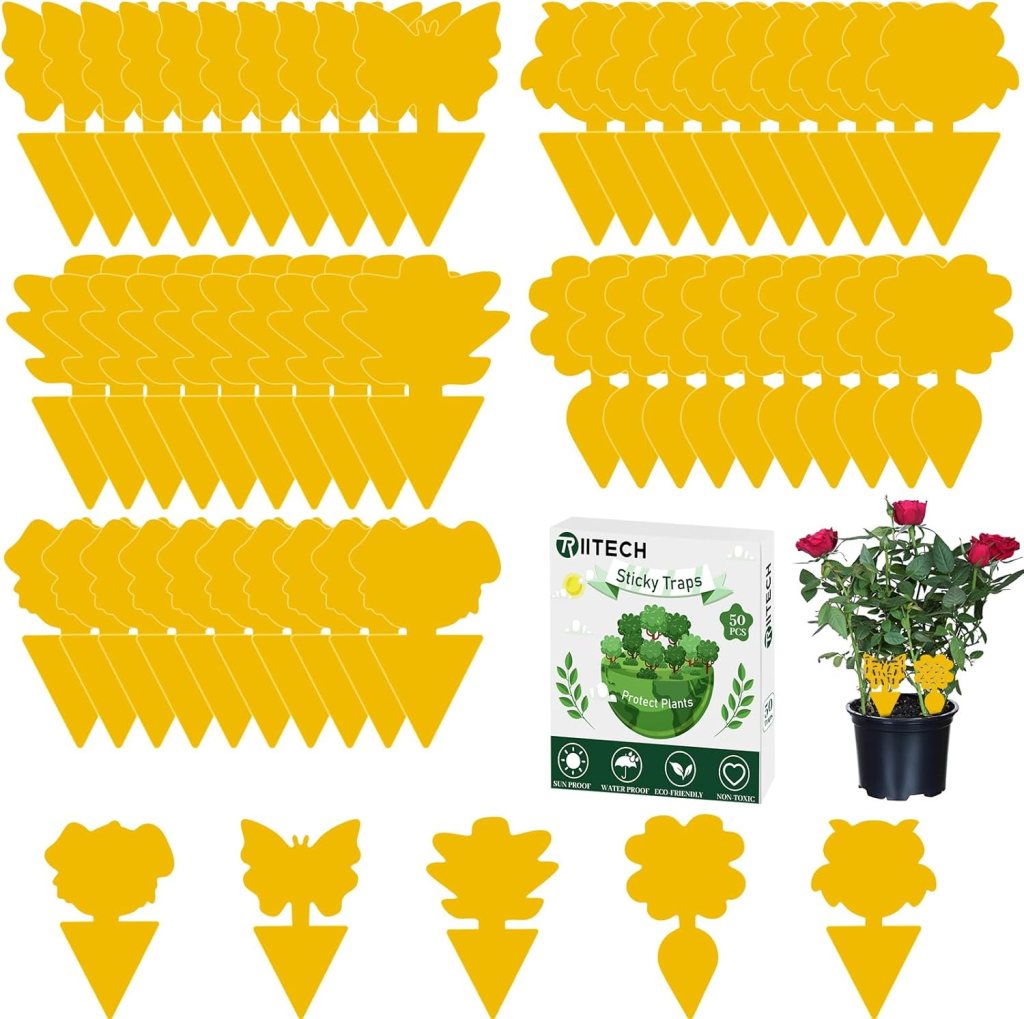
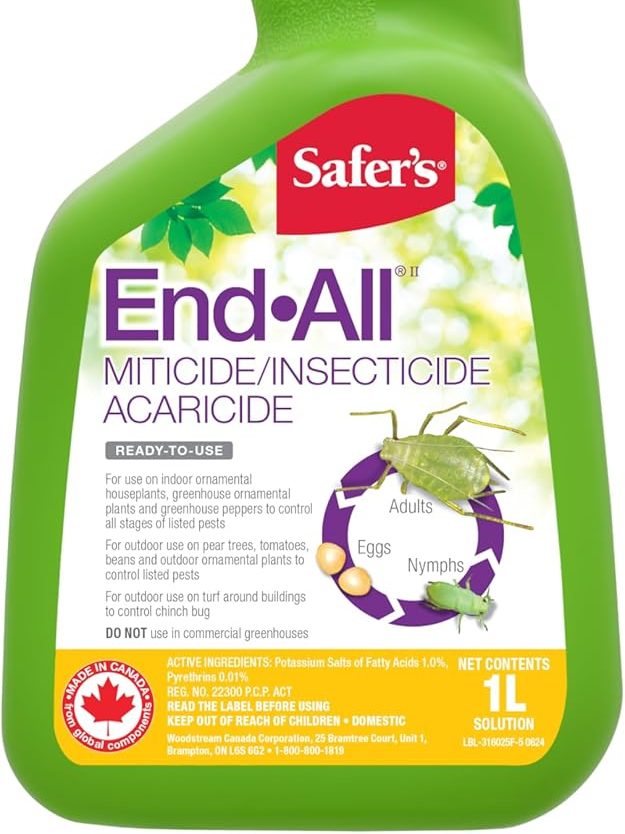
- Check For Pests – have a look to check for fungus gnats (tiny little bugs, similar to fruit flies). Also check for more pesky bugs like aphids, mealy bugs, spider mites. Use the sticky sticks for fungus gnats (it takes a while, change the stick as it fills with bugs). Use the End-All for the other pests. Hose off plant in the shower. Spray with End-All. Let sit 15 to 20 minutes. Hose off the plant again to get rid of bugs and miticide. Repeat once a week for three weeks.
- Feed, maybe – The usual practice is to start fertilising again in February, so next week. You can start now, a week early ( I won’t tell). However, if you are doing the above recommended showering, deep watering, fresh new soil, do not feed till the soil has dried somewhat, in a week or two.
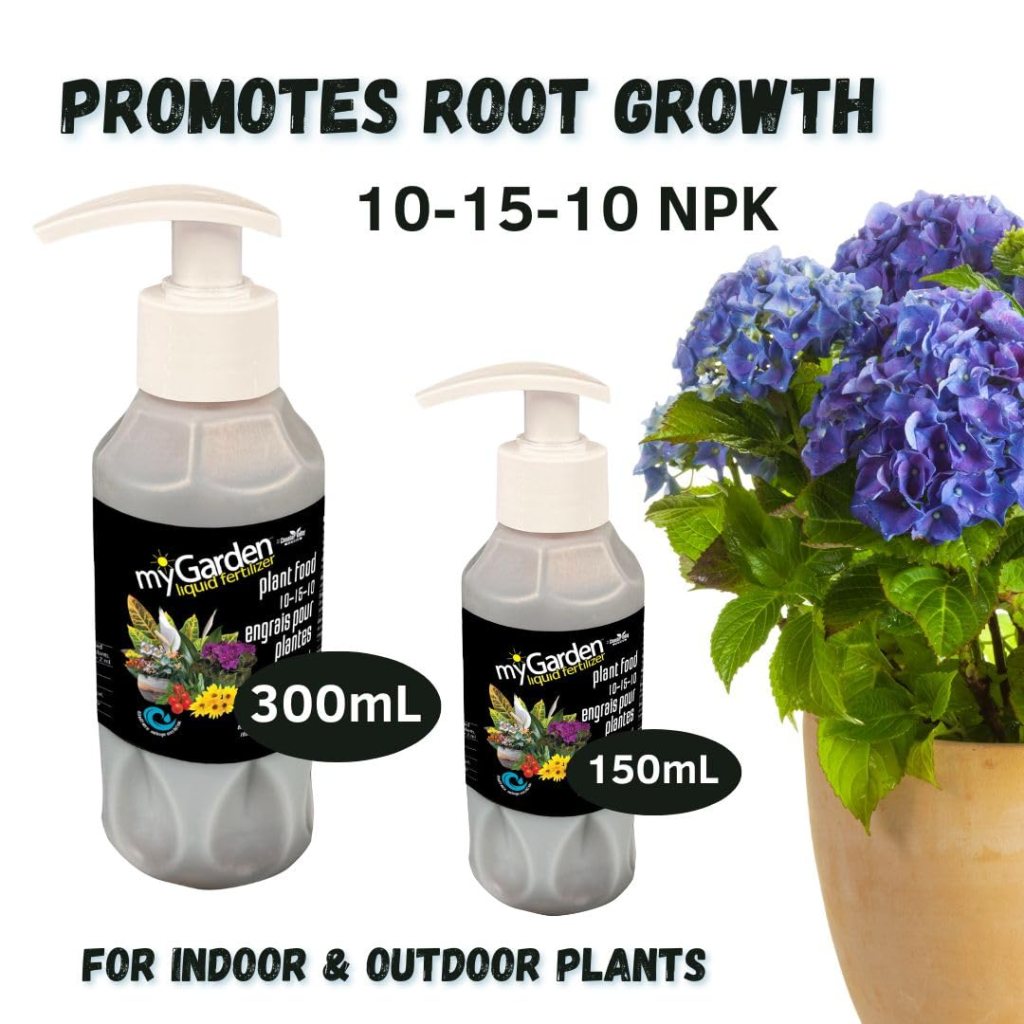
Find more organic seaweed based fertilisers on my Amazon Shop page, too. Best of all, they are Canadian.
*Disclaimer. As an Amazon affiliate, if you were to purchase any items from one of my links, I earn a wee small commission to support my blog. Rest assured, it does not cost you any extra to purchase through my link than if you went to that item on your own.
Overwintering Annuals
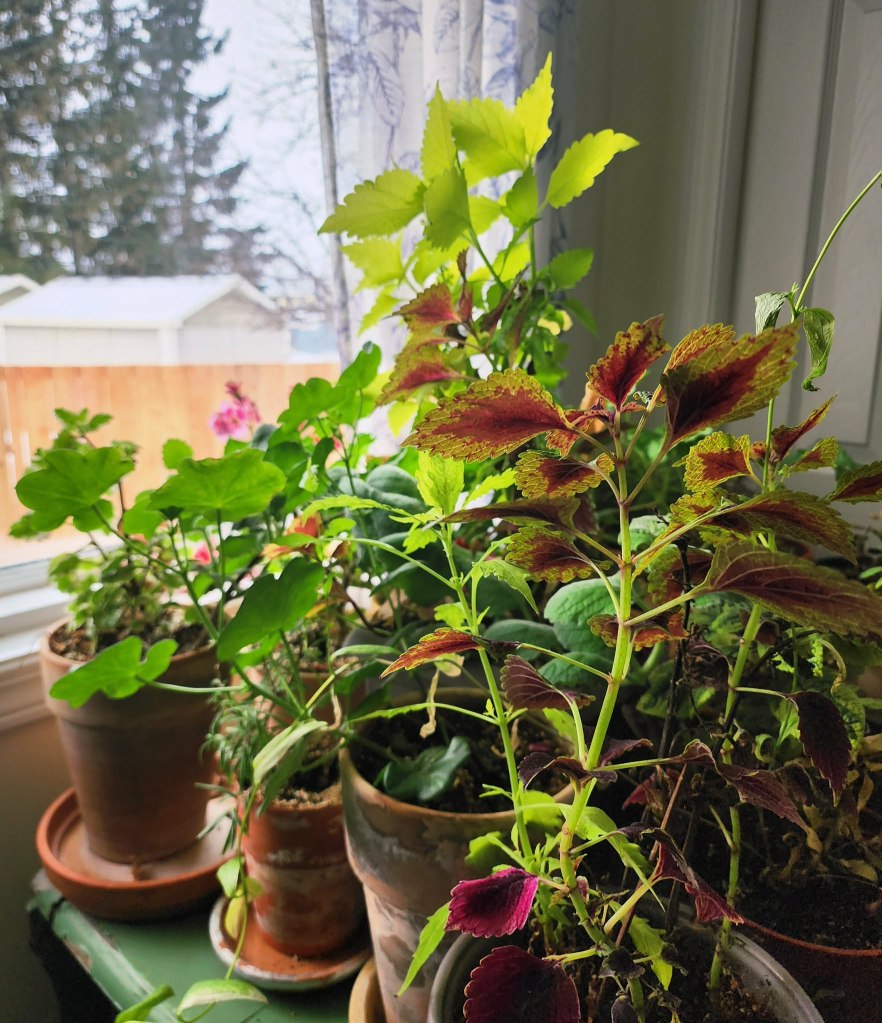
Much of the same things apply to your overwintering annuals. You can treat them exactly like your houseplants.
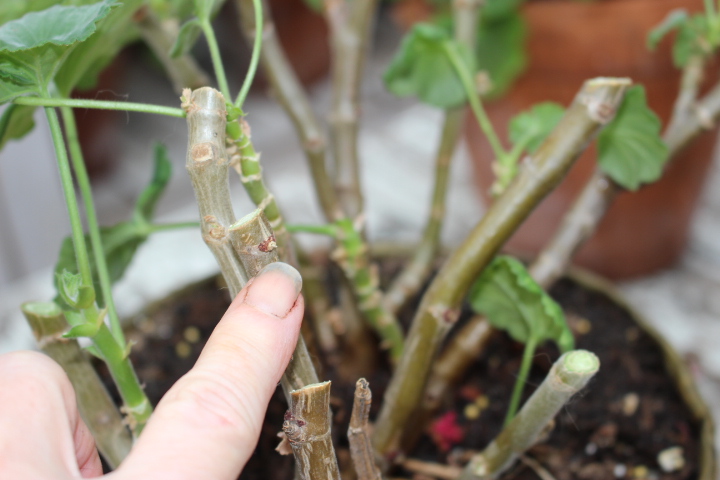
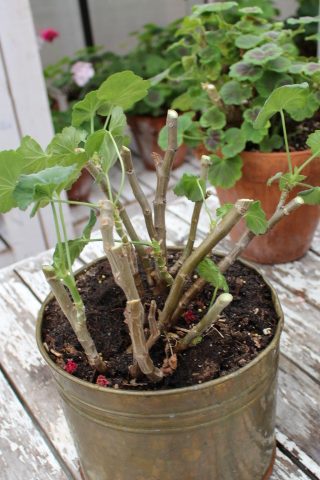
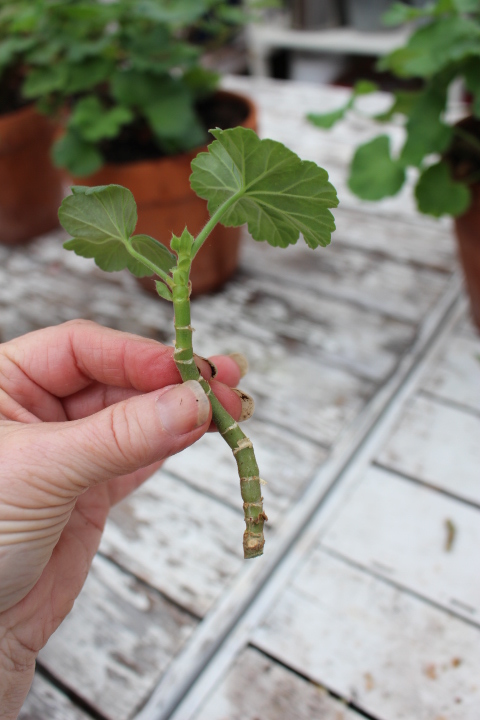
If you want to take cuttings, sometime over the next few weeks is the best time.
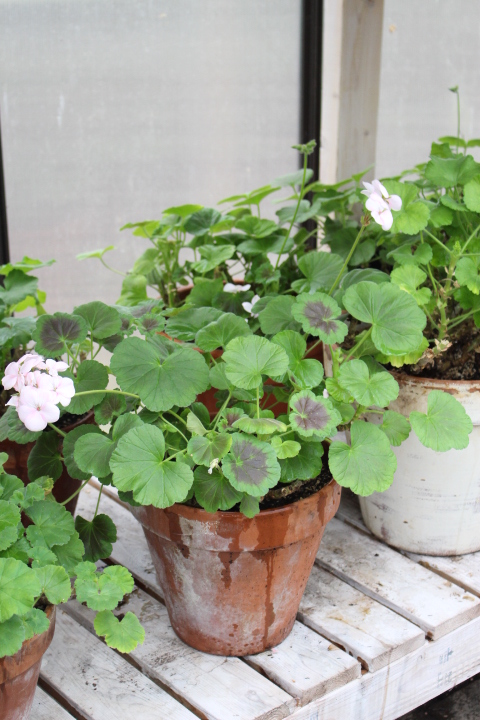
- Geraniums. Trim your ‘mother plant‘ down hard, to make each stem just a few inches long. Cut above one of the buds as that is where the new growth will come from.
- If you did not repot in the fall, I would do so now to give it fresh soil with nutrients to help it grow nicely.
- Take the trimmings to start new plants. Take off all the bottom leaves, leaving just a leaf or two at the top of your cutting. trim the bottom so that it is 4 to 6 inches long.
- Dip the bottom into a root booster (I use this one). Tap off the excess powder. Make 4 deep holes in damp potting soil in a 4 inch pot. I stick a sharpie marker deep into the pot. Drop one cutting into each hole, to just below their leaves. Firm the soil around each cutting. Water once or twice a week.
- Once you have roots (give the cutting a light tug in 3 weeks time, if you meet with resistance, it has formed roots) move the cutting into it’s own pot.
- (OR) If not using a rooting hormone, stick the cuttings into a jar of water till roots form and then plant each cutting into it’s own 4 inch pot.
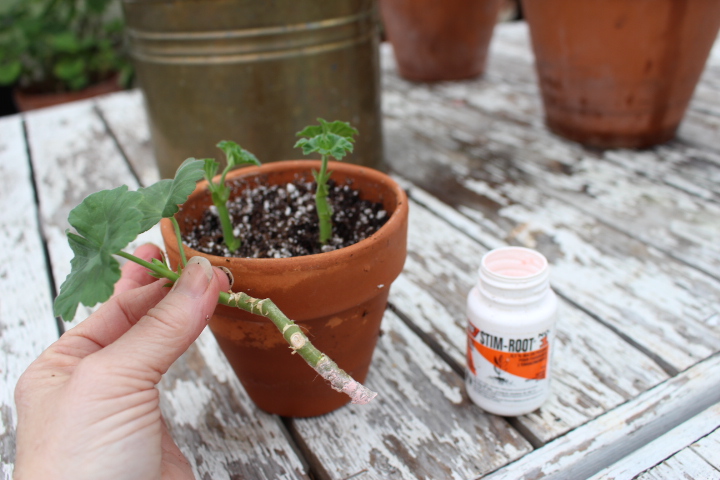
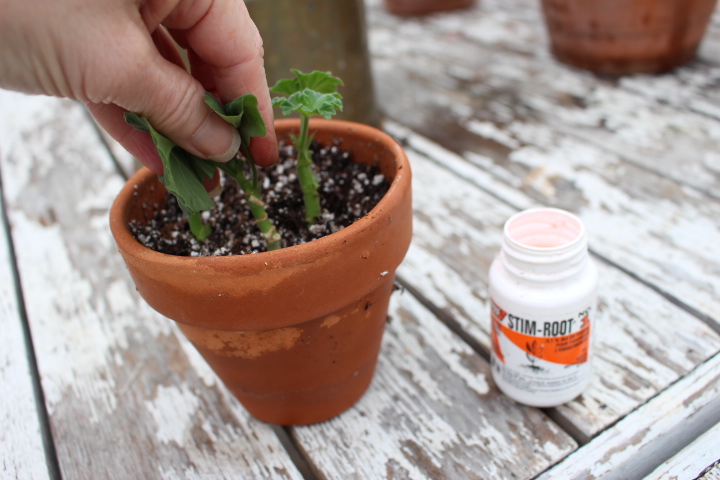
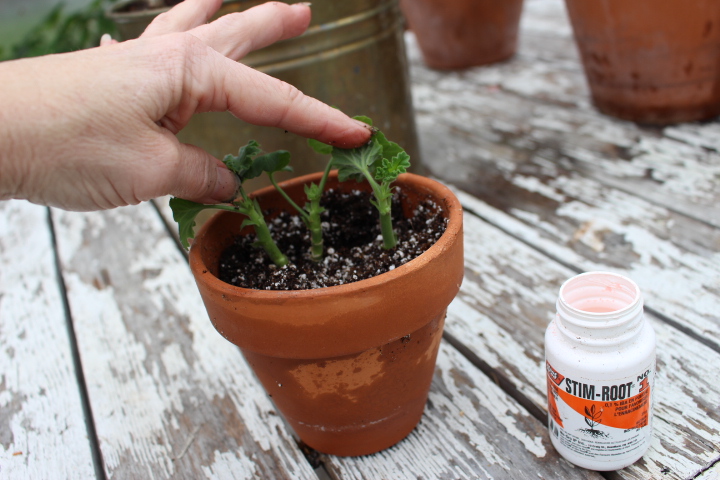
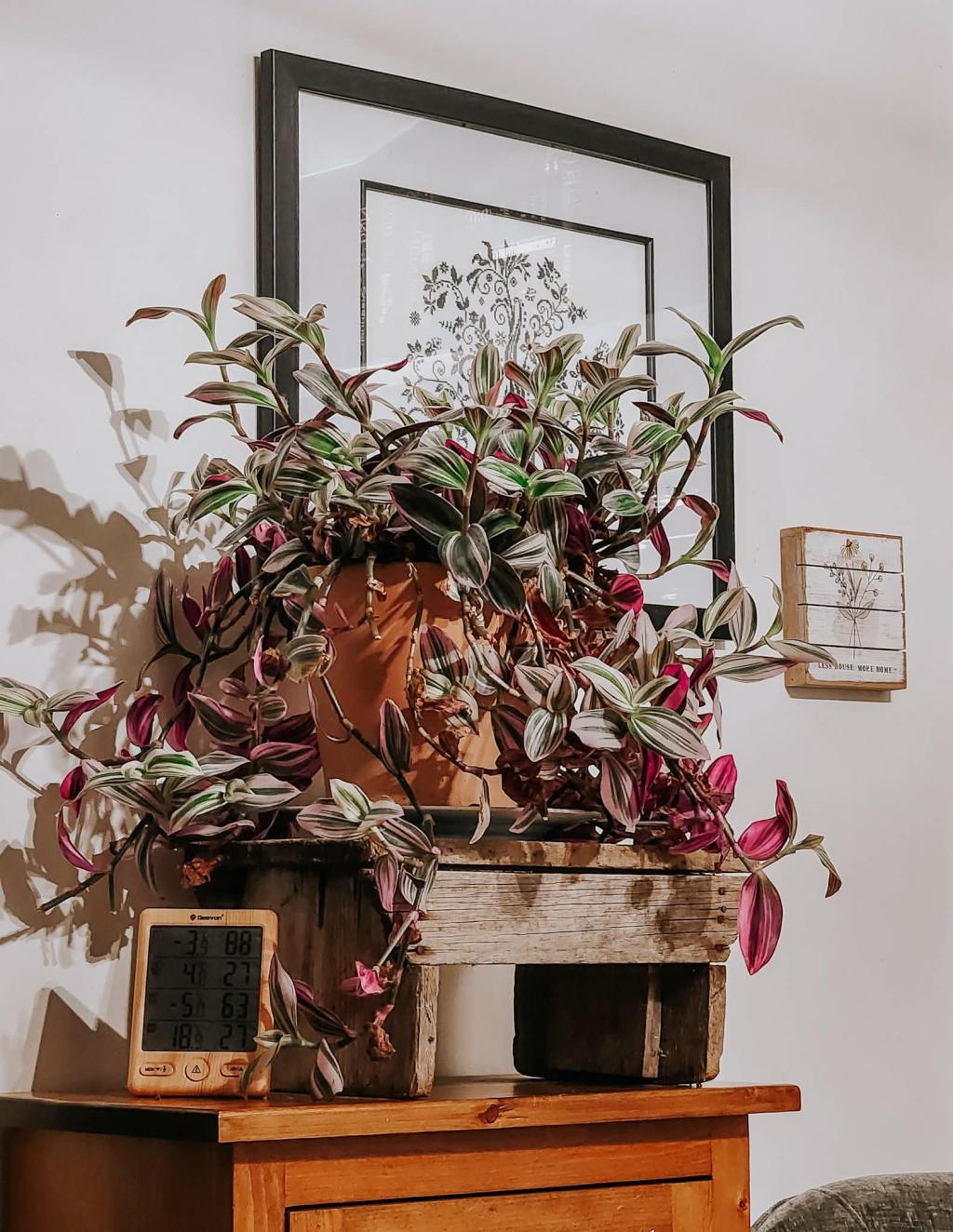
The same applies to coleus, ivies, tradescantia, and most any other plants you have been overwintering for your 2026 summer garden.
Shared album – Tanja Pickrell (The Marigold) – Google Photos – This is a short video I made years ago, I hope that it is helpful for taking cuttings.
Seeds & Such
You still have lots of time to buy your seeds as not much needs to be started as of yet. What you can start now, if you like, is anything that takes a long time to either germinate or grow.
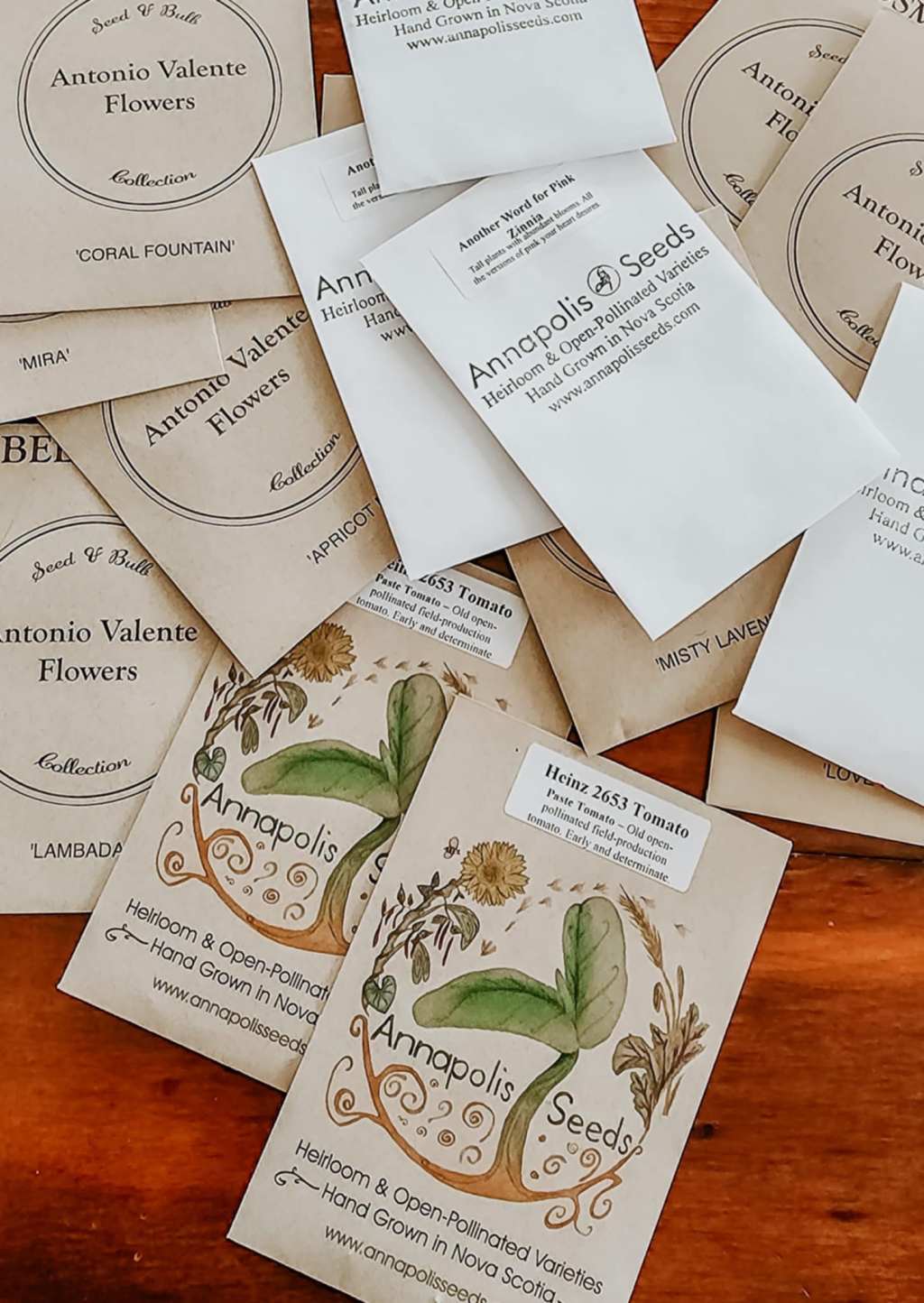
Honestly, I am still working on my seed orders. I don’t need much as far as veggies go, but need lots of zinnias, cosmos, snapdragons, am still working on my flower colour scheme for this summer. I saw a photo somewhere with just whites and pastels. No dark pinks at all. That is the way I am leaning….
Psst, I am currently obsessing over this Canadian seed company!
I don’t start anything till sometime February, once the days are a bit longer for faster, better results.
I keep the potting shed at just above freezing for December and January and then start things up again in February. The seedlings will need the air to be 8 to 10 degrees once they are off bottom heat, so the later I start the less it costs me in heating.
Plus, I have the benefit of having worked at two large commercial greenhouses before I set out on my own, and they didn’t start till February either ; ) You can even wait till March and not have lost out on anything, some harvests may be a couple weeks later (like onions), but still ready in plenty of time.
That said, if starting seeds now brings you great joy, by all means, sow some seeds, play in the soil! Here are some ideas for what you can start now it you are itching to get at it.
- Artichokes
- Eggplants
- Herbs (parsley, lavender, rosemary)
- Leeks
- Luffa
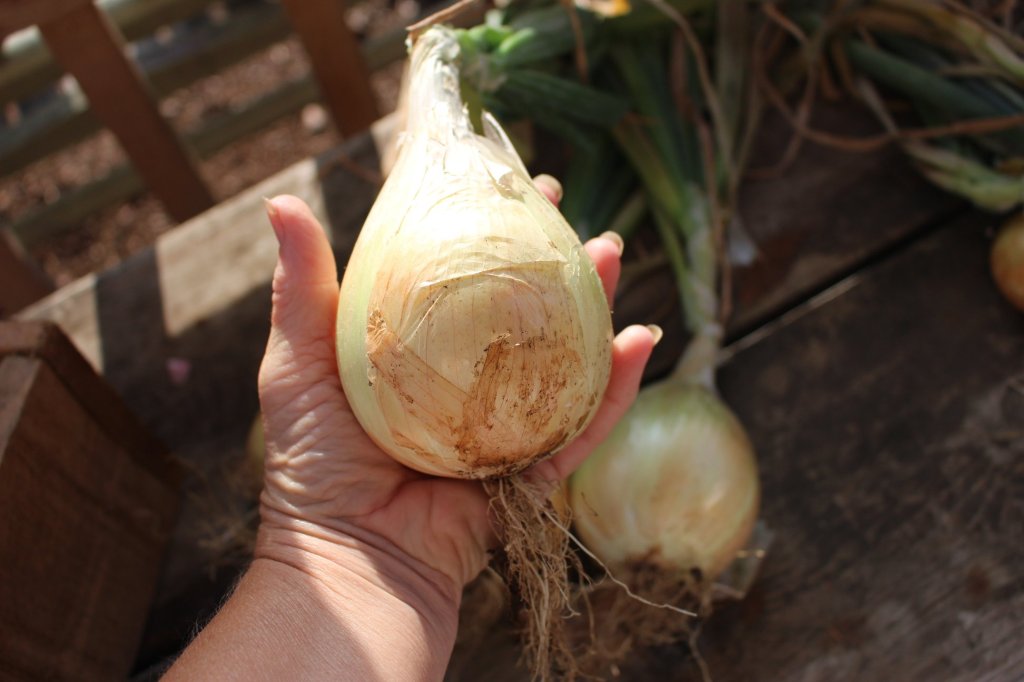
- Onions from seed
- Peppers
- Coneflowers
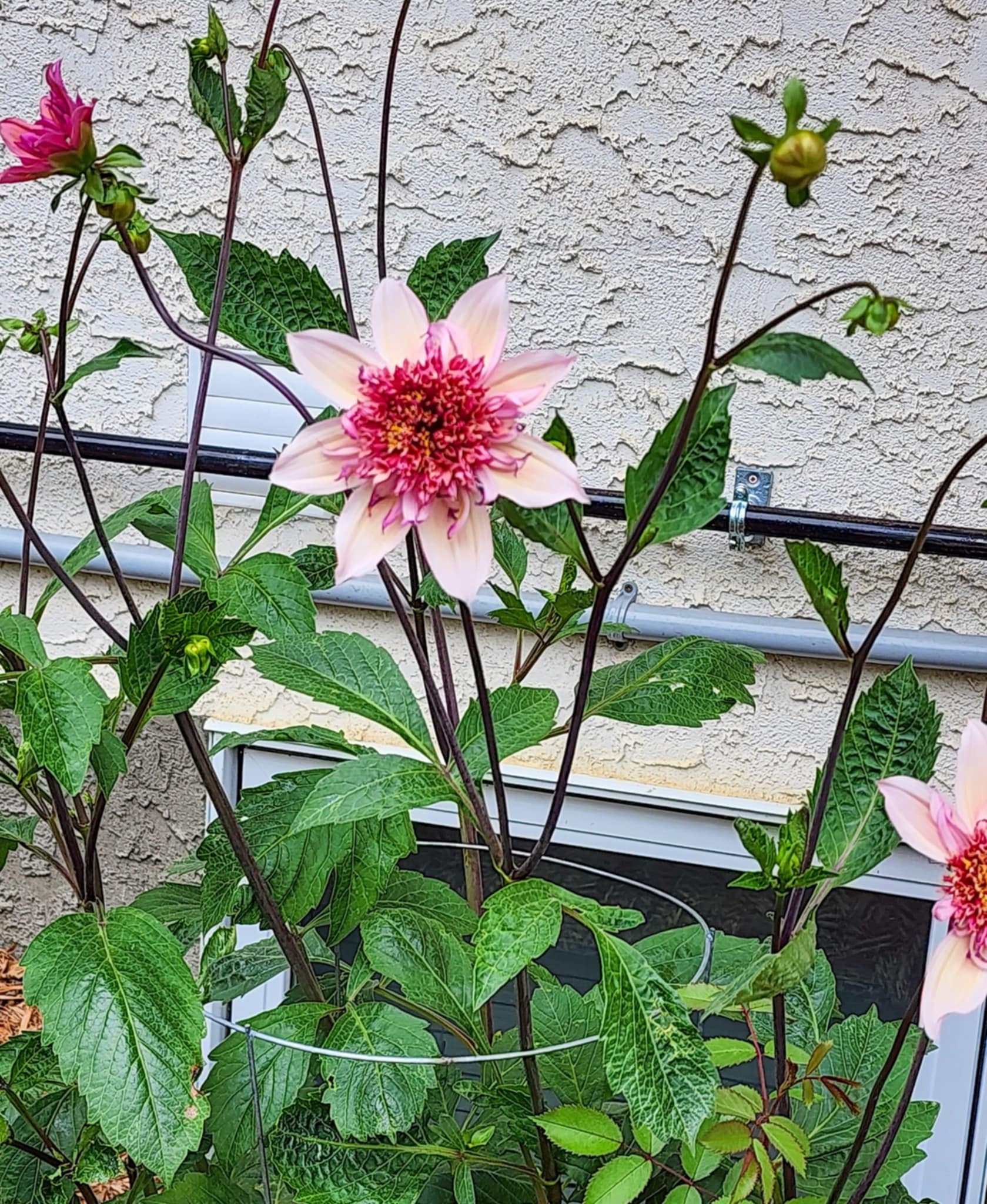
- Dahlias from seed
- Foxgloves
- Geraniums
- Larkspur
- Pansies
- Poppies
- Snapdragons
- Violas
Why start from seeds?
- You get more plants for the less money. For the price of a 6 pack of flowers or veggies, you get 25 to 1000 seeds, depending on what you are purchasing. Great value for money.
- The main reason I like to buy from seed? I have access to so many more varieties, colours, types.
When buying soil, please do NOT buy seed starting soils. Instead, pick up a nice, big bale of Pro-mix, Pro-Mix BX, or Sunshine #4 (most box stores and greenhouses will have these available to you now) and add worm castings or compost to it. You can use that potting soil for everything from seedlings to hanging baskets, indoor plants, and your planters, while the soil boosters feel your seedlings organically, gently, effectively.
What To Do In The February Potager/Garden – more ideas of what to do now as we are almost in February….
I will be sharing all the how-to’s of seed starting next week : )
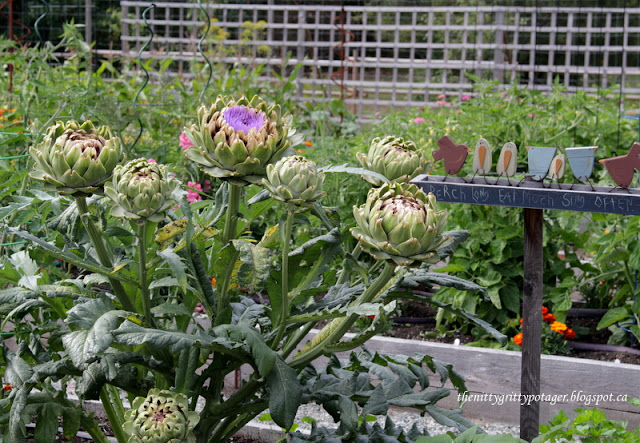
I sure am looking forward to summertime : )



 The Marigold Potager - A Zone 3 Prairie Garden
Leave a comment