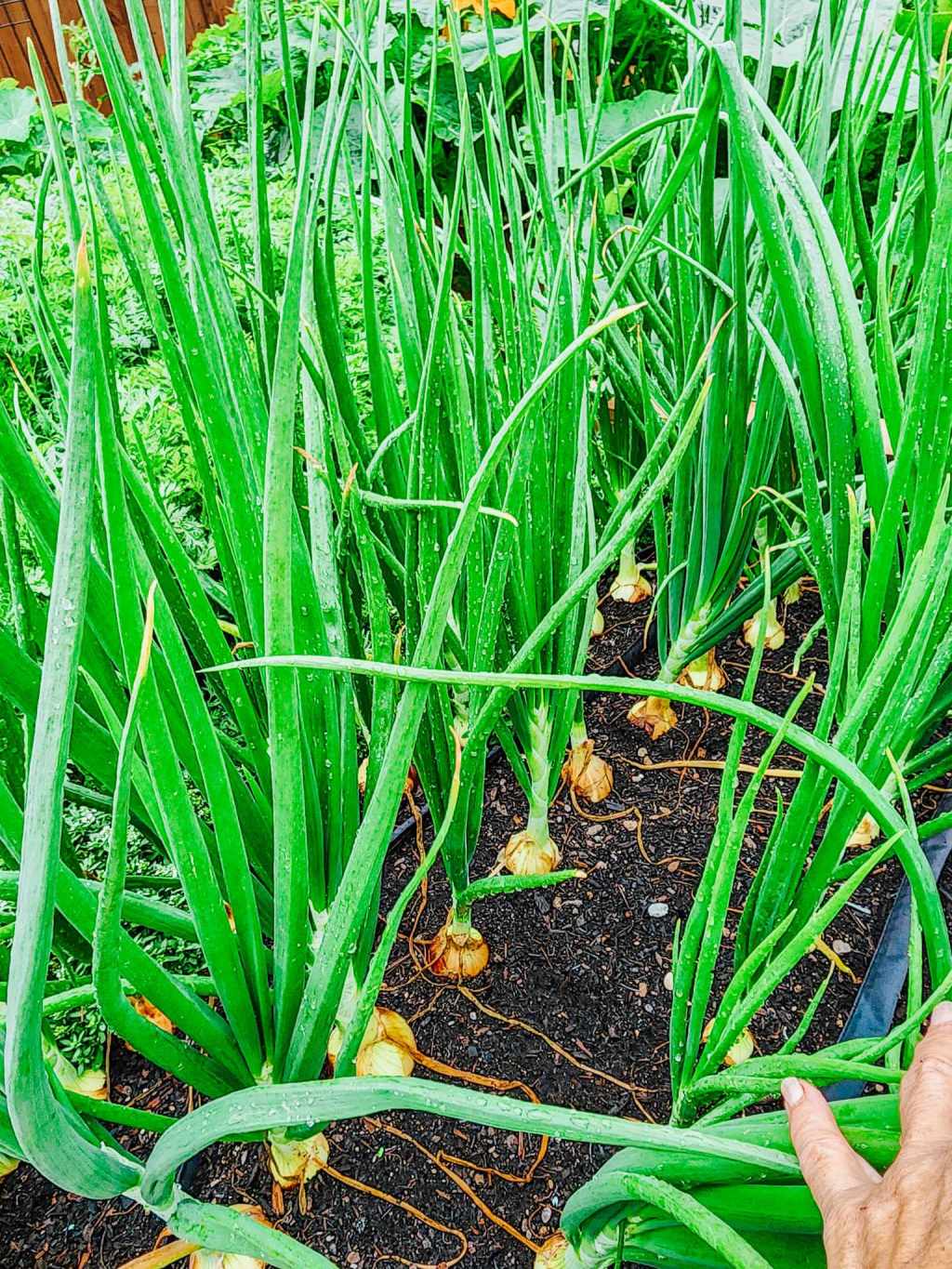
Of course, the whole premise of organic gardening is that you ‘feed your soil to feed your plants’. Therefore, adding an inch or two (or maybe 4 to 6 inches, if you have very poor soil) of organic material to your veggie beds annually is the best and most efficient way to have healthy, happy crops all summer long.
Organic material to add annually may be compost, manure, grass clippings, leaves, leaf mould, bonemeal, bloodmeal, alfalfa hay or pellets, chopped vines of peas and beans, etc…
But … what to do mid-season if you feel that your tomatoes are looking peaked? Onions are not bulbing up, or cucumber vines are looking a bit more yellow than green?
Here are some ideas for that additional organic boost throughout the growing season.…
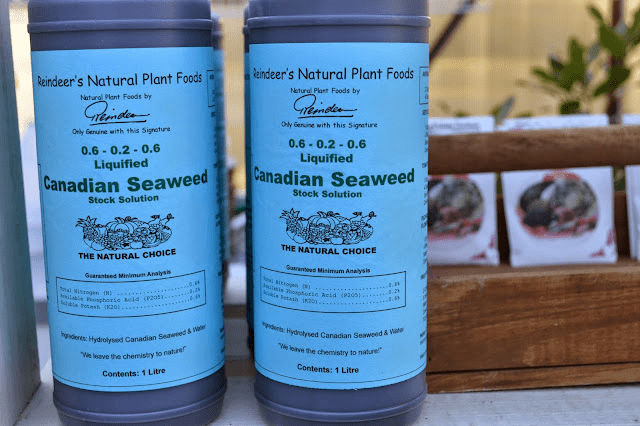
1. Liquid Seaweed as a foliar feed & Water In
Add a capful or two of liquid seaweed per litre of water. Place in a spray bottle or tank sprayer. Spray onto the foliage of your plants once a week.
If you can get Reindeer, it is my favourite, but there are several Canadian kelp/seaweeds on Amazon, or at your local box stores/greenhouses.
Liquid seaweed is especially effective on seedlings, but can be used at all growth stages throughout the season, and is fabulous for all crops and flowers. The nutrients are absorbed by the foliage and start to make an almost immediate difference. Gives your plants pest and disease resistance, too.
Can also be watered in for an additional boost, adds nutrients to boost your soil.
2. Manure or compost tea.
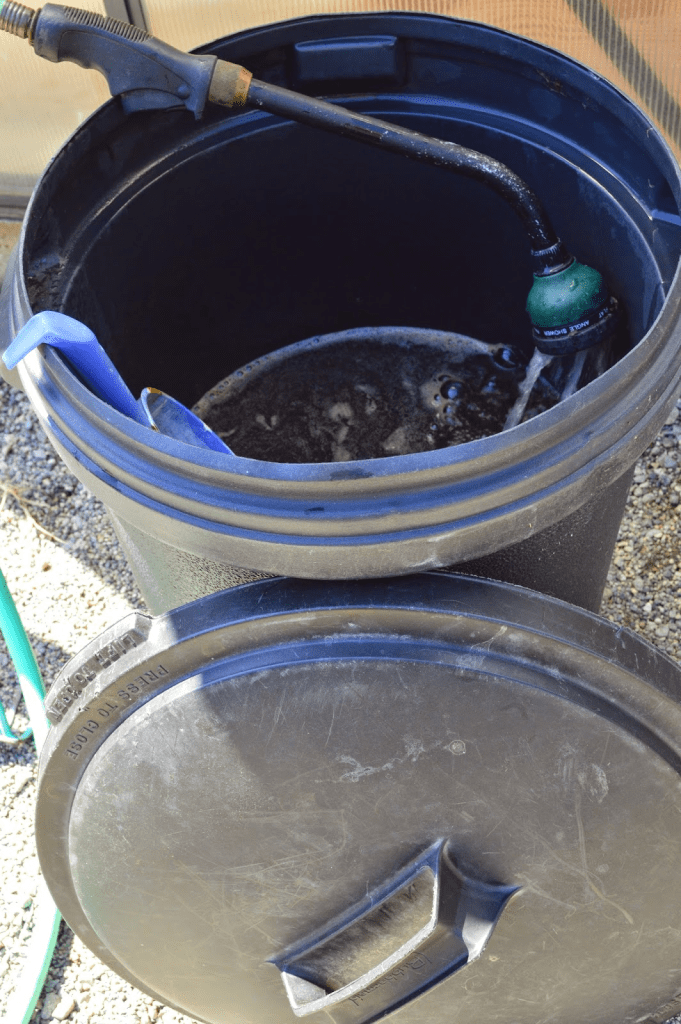
Add a couple shovelfuls of manure or compost to your large can, and fill with water. I used to use a garbage can placed on the north side of the greenhouse when I had lots of gardens, but now a 5 gallon pail is perfect size. Rubbermaid totes work well, too. Anything that will hold ‘tea’ for a while.
For added nitrogen, you can add a handful of alfalfa pellets, while adding a couple of tablespoons of molasses really gets all the beneficial bacteria brewing.
Give it a stir once a day to help get things moving and shaking. The bacteria in the brew is fabulous for your garden. Let it cook for 1 to 7 days, give it a stir each time you go by it, or, to take it to the next level and add even more nutrients, put in a small aerating solar pump for circulation.
Compost tea can be used as a foliar feed or a soil drench. This compost tea has billions of beneficial microbes.
Dilute to about half strength before applying. I generally apply this around my cukes, squash, tomatoes and peppers, anywhere from once a week to once a month. Whenever I feel the plants can use an extra boost of nutrients.
The ‘dregs’ at the bottom of the can be thrown onto the compost heap for added healthy browns that get things cooking in the compost bin, too.
3. Alfalfa Tea
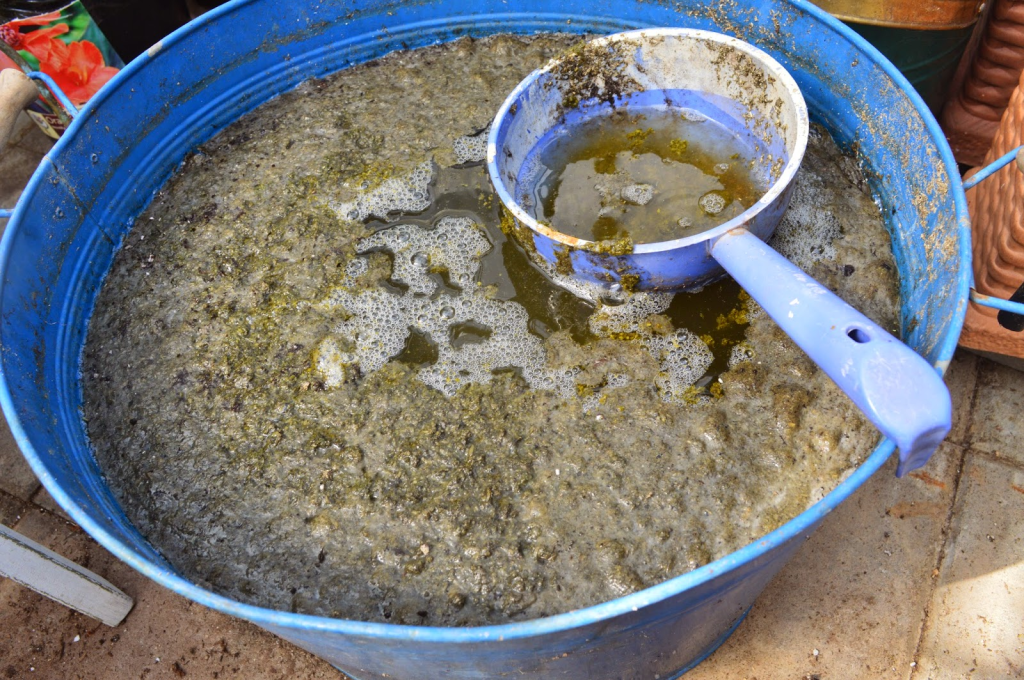
To a 5 gallon pail or tub, add 5 handfuls of alfalfa pellets and 2 handfuls of Epsom salts. Let this brew for 3 to 7 days, till the top is green and thick and foamy.
Give it a stir so that the bits start to fall to the bottom. You can also put it through some cheesecloth to get the brew without the bits.
Dilute the brew and water plants… about 2/3 brew with 1/3 water.
If you have sifted out the bits, you can also use as a foliar spray.
I generally use this tea for my seedlings and potted plants in the greenhouse as it is high in nitrogen. I often switch to manure tea when the plants get more mature.
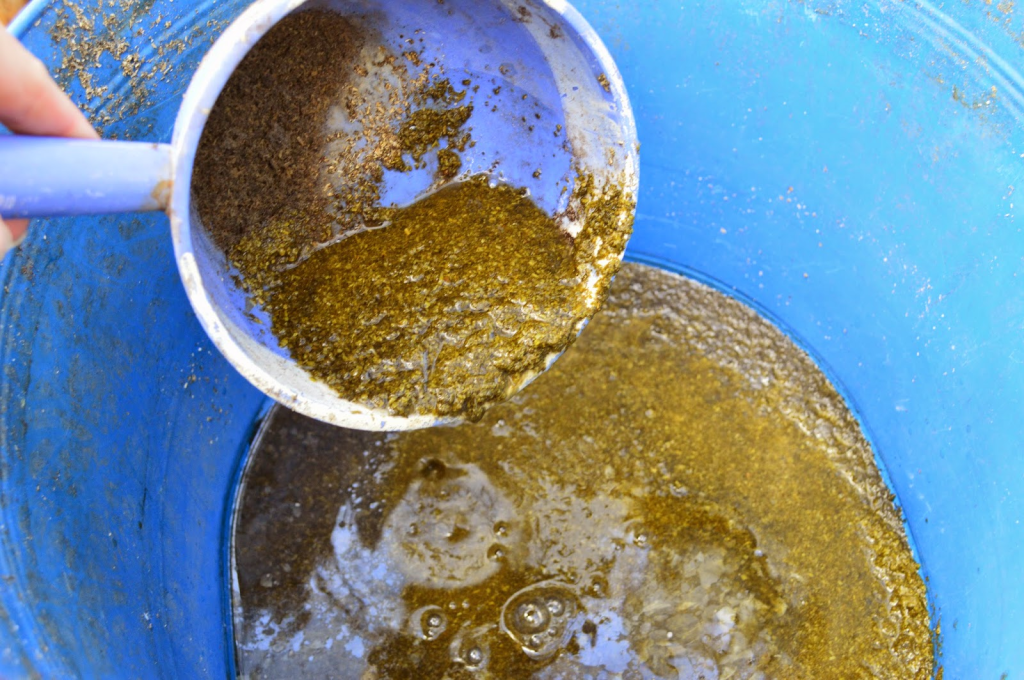
When you have used the tea, add the dregs to your compost bin or garden beds.
Alfalfa is a great source of nitrogen and thus a good organic addition to your garden at any time, in any way. When tossed in the compost bin, the nitrogen helps to get things nicely cooking and breaking down faster. Either way you use it, your garden will benefit.
4. Organic Fertilisers
and then… When you get tired of making the teas, the mixing, the stirring, the brewing, as I inevitably do as the season wears on, a bit of organic fertiliser in your watering can once a week will get the job done. Easy peasy.
I use these teas mostly for my potted tomatoes, peppers, and other veggies.
There are many great organic fertilisers on the market to choose from, to help keep your plants healthy and productive.
Visit your local garden centre, greenhouse, or order on line. All of the ones mentioned here are small Canadian companies that Amazon sells – helping small businesses thrive.
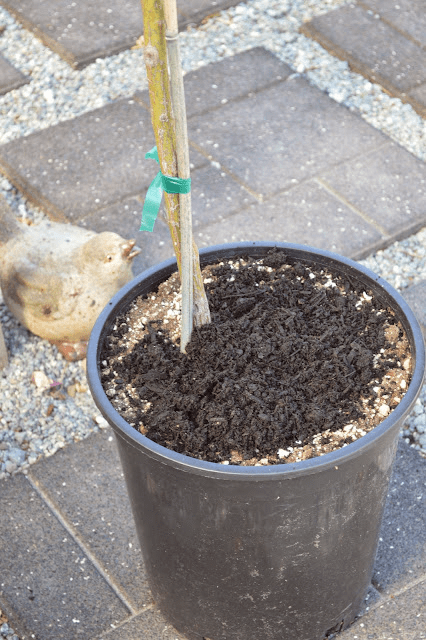
5. Top Dressing Potted Plants & Side Dressing Garden Rows
You can also simply apply a dressing beside the vegetable that needs an extra boost. Manure or compost is a great side dressing to just about any crop at all.
Alfalfa meal or pellets is a terrific organic boost of nitrogen to add around tomatoes, peppers, garlic or greens. do not use if you have a bunny problem!
Bonemeal adds phosphorous and so helps with root strength, fruiting/flowering and the overall health of plants … is especially beneficial for root crops.
Epsom salts (2 tablespoons once a month) around the base of your tomatoes, peppers, and roses in pots! will give you fantastic green, healthy foliage. Do not use Epsom salts in the garden unless you are sure that you have a magnesium deficiency, which most gardens do not have.
You can also side dress your garden beds, between the rows, with Gaia Green (a Canadian company) or other organic slow release fertilisers. You can also buy pelleted hen manure that will slowly break down and feed your soil, too. Easy to use, just sprinkle it on, put it holes, mix it with potting soi… It is one of my favourites. You can also top dress pots with the pellets.




 The Marigold Potager - A Zone 3 Prairie Garden
Leave a reply to Educación, cultura general y más. Cancel reply