Earth Day is a global event which aims to highlight the importance of protecting the environment.
It takes place annually on 22 April.
Each year, Earth Day is assigned a theme to focus the celebrations. In 2025, the theme is ‘ Our Power, Our Earth’ campaign urges a tripling of renewable electricity by 2030, emphasizing solar and wind.
Here are 5 ways that you can celebrate our planet today, and every day.

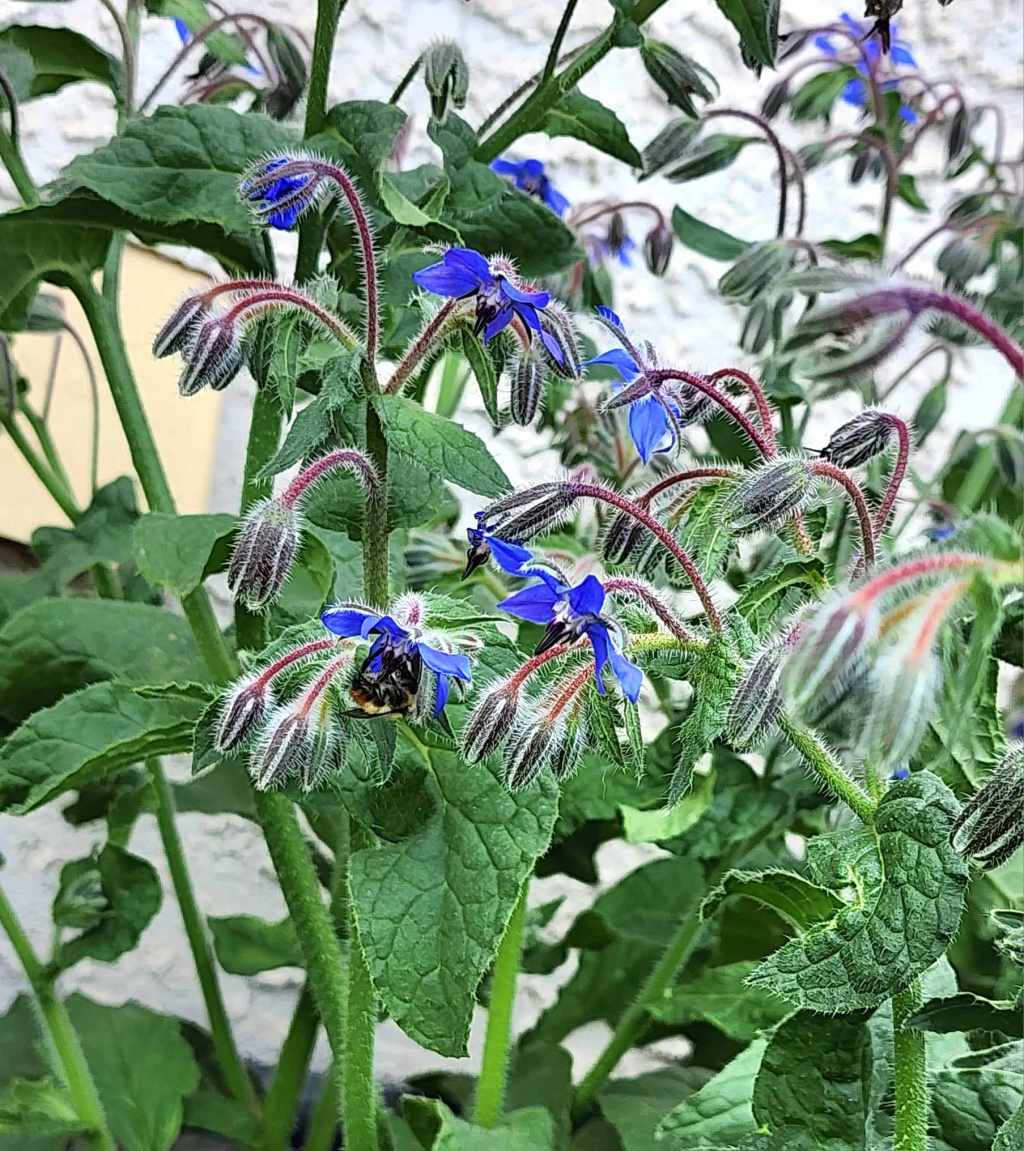
#1 – Support The Pollinators
Choose flowers, trees, and shrubs that support and feed bees, hummingbirds, and butterflies.
- Plant flowers that are native/local to your area.
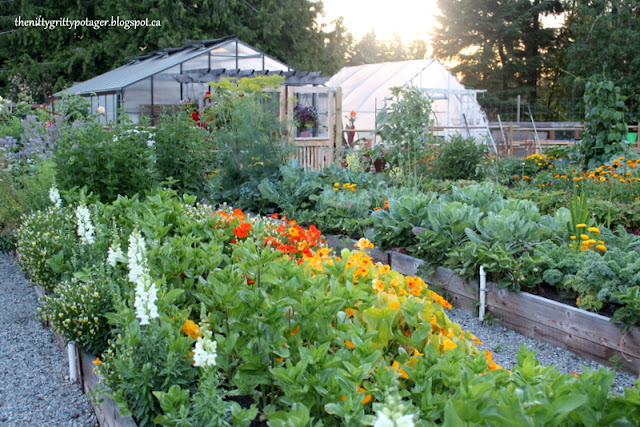
- Add flowers to your vegetable gardens for better pollination.
- Pollinators are most attracted to flowers that are grown in blocks or swaths (at least 3 in a row) as it makes it easier for them to harvest the pollen.
- Pollinator favourite annuals for your potager are calendula, sweet alyssum, zinnias, cosmos, marigolds.
- Pollinator favourite herbs are borage, anise hyssop, bee balm, basil, lavender, dill, cilantro, sage, thyme.
- Pollinator favourite perennials are salvia, catmint (nepeta), anise hyssop, coneflowers (echinacea), penstemon, phlox, sedum, bee balm (monarda)..
- Butterflies and hummingbirds are also great pollinators. Plant tubular flowers.
#2 – Plant a Tree or Two
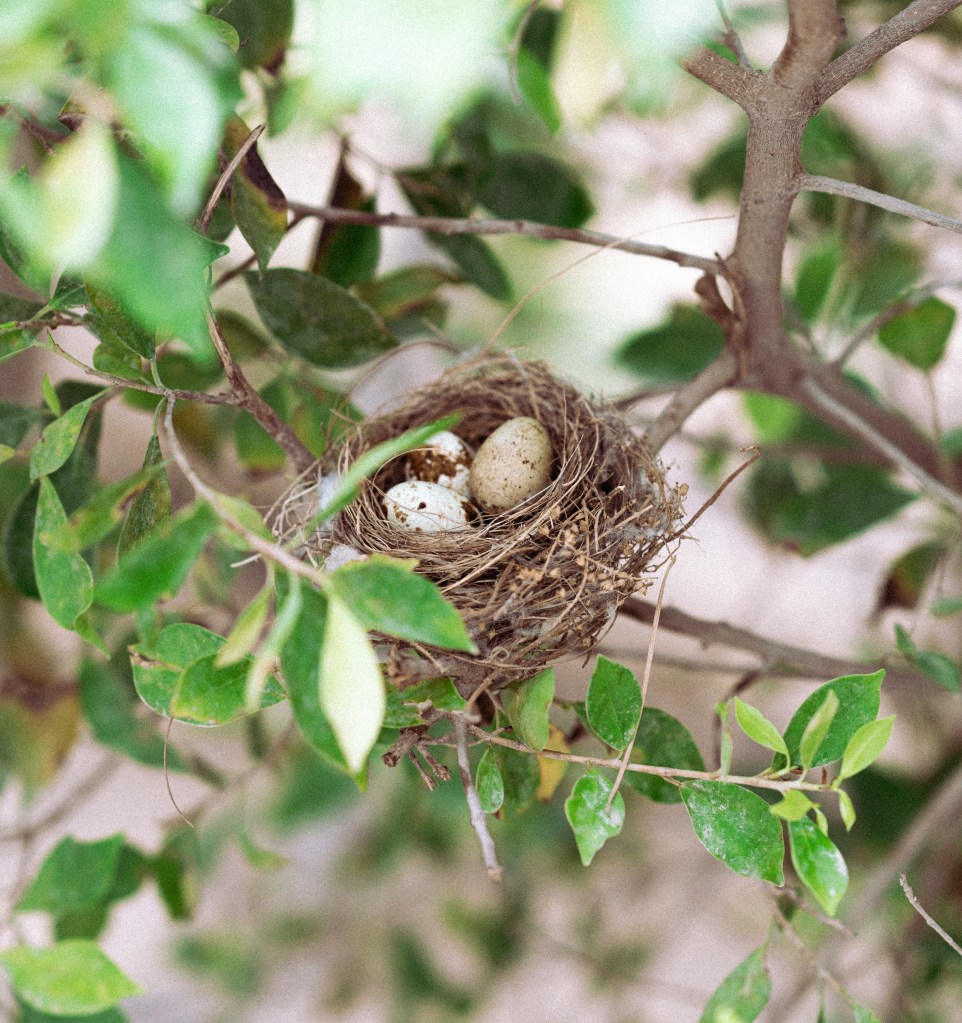
Trees capture carbon, clean the air we breathe, absorb pollutants from the soil, prevent erosion, provide shade, feed and support pollinators, and provide nesting sites, food, shelter for our bird friends (they eat our garden pests!)
I have mentioned this before, but I have to add that I am working so hard at attracting song birds to my garden. Not only for their songs, which I love, but for organic pest control of caterpillars, mosquitoes, flies, and all the other. Flies are where onion maggots and carrot rust comes from.
#3 – Use Organics Instead of Chemicals in the Garden
Chemicals, whether for your lawn, your gardens, or for pest control, all contribute to soil and water contamination and the decline in songbirds, pollinators, and beneficial insects.
- Choose organic matter like compost to feed your plants (trees, shrubs, and flowers). Focus less on the flower and more on the health of the soil that supports it. If the soil is nutrient-rich with organic matter, all plants will thrive.
- Attract beneficial insects for pollination and organic pest control. Sweet alyssum, calendula, parsley, yarrow, dill, cilantro in bloom, queen Anne’s lace… flowers with many blossoms in a cluster are favourites.
- Practice no till gardening for soil life to thrive.
- Feed your flowers, trees, shrubs with organic fertilisers of compost or manure.
- Feed them with ‘teas’ made of compost, manure, comfrey, stinging nettle… see how here. Water your plants with diluted teas, or use as a foliar feed (spray the tea on the foliage).
- Plants like comfrey and borage put nutrients back into the soil. Grow borage with strawberries, they are great companions.


#4 – Reduce, Reuse, & Recycle
- Buy soil, compost, and manure in bulk rather than in bags.
- Reuse plastic pots and 6 packs, or recycle if you have too many.
- Make or buy biodegradable pots. Use soil blocks, make paper pots, cow pots (made of cow manure), b

#5 – Be Water Wise
We tend to waste a lot of water in our yards and gardens. Using much more water than plants actually need to thrive and be healthy.
Use less water, use water wisely, prevent runoff and avoid overwatering your plants and improve their health.
Water at soil level rather than with sprinklers to prevent fungal diseases on your flowers and vegetables.
- For gardens, flower beds, trees, consider installing drip irrigation or weeping hoses that put the water right into the soil, where we want it to be, with no evaporation or run off.
- If using sprinklers on your lawn, put them on timers.
- Use water barrels to capture rain from roofs and gutters.
- If you have a low-lying area, consider planting a rain garden, which captures runoff, filters out pollutants, and provides food and shelter for butterflies, songbirds, and other wildlife.

- Spend 20 minutes a day outside in nature, the garden, for a walk, for your physical and mental well-being.
- Treat the planet like mother nature does… leave the leaves, feed with clippings and organic matter like compost, let the pollinators and beneficial insects do their job, don’t be in a hurry to do spring garden clean up, attract birds and good bugs for organic pest control. Your garden will thank you for it.






 The Marigold Potager - A Zone 3 Prairie Garden
Leave a comment