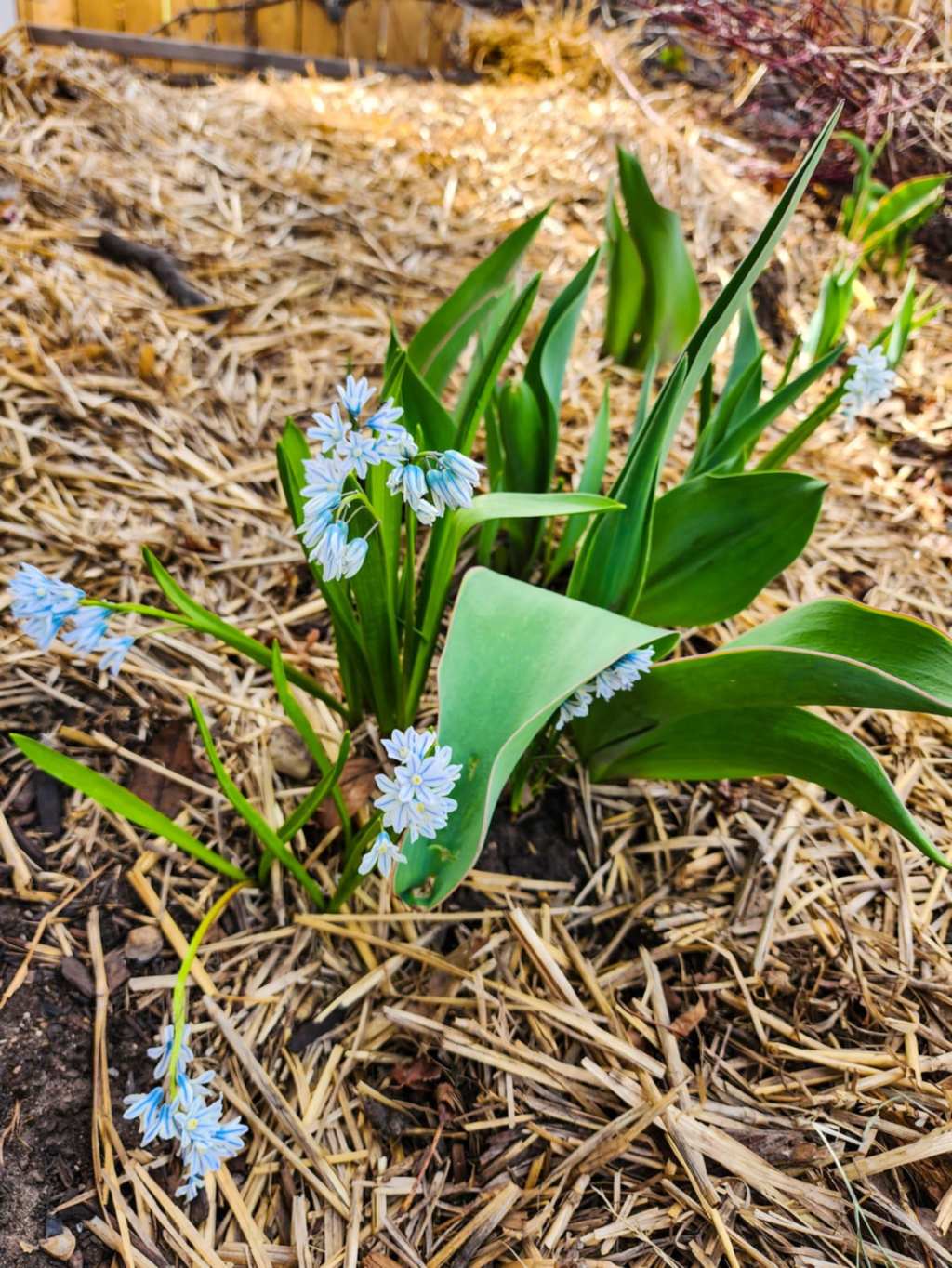
Well, by golly. It sure has been difficult to get excited about gardening lately, as the weather has been all over the place here on the prairies. From cold and snowy to double digit highs. I like those sunny, plus degree days just fine ; )
I did not post last weekend, on the Easter long weekend, as there really has been little that we can do in the garden. However, here we are a week later and things are really looking up!
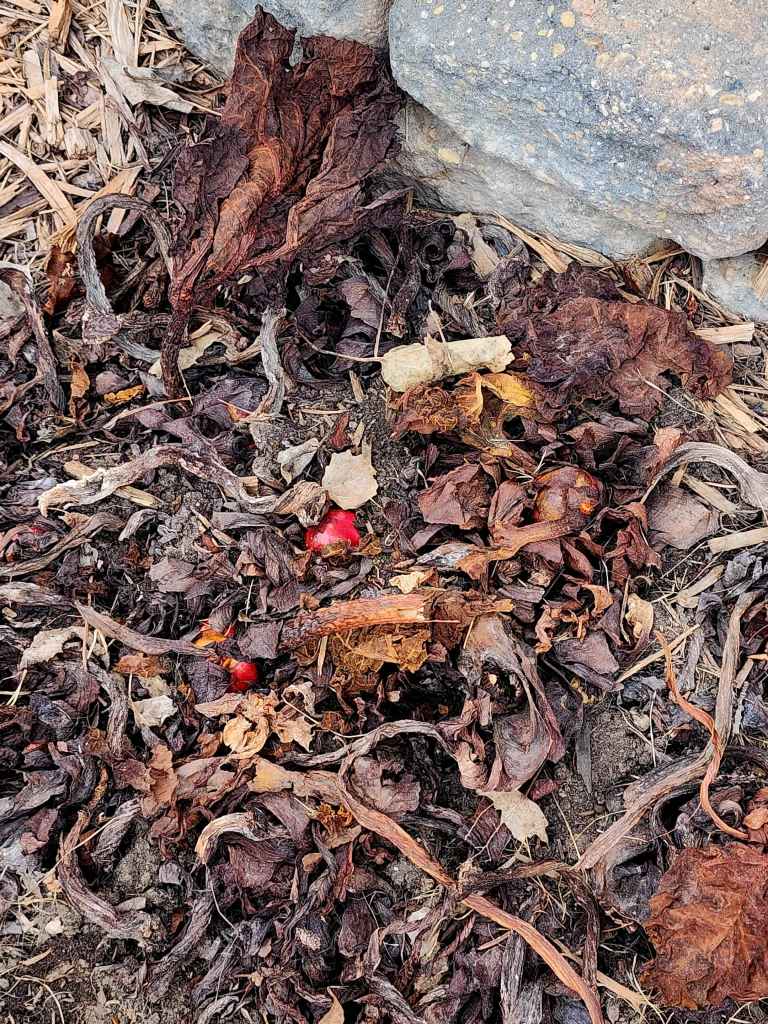
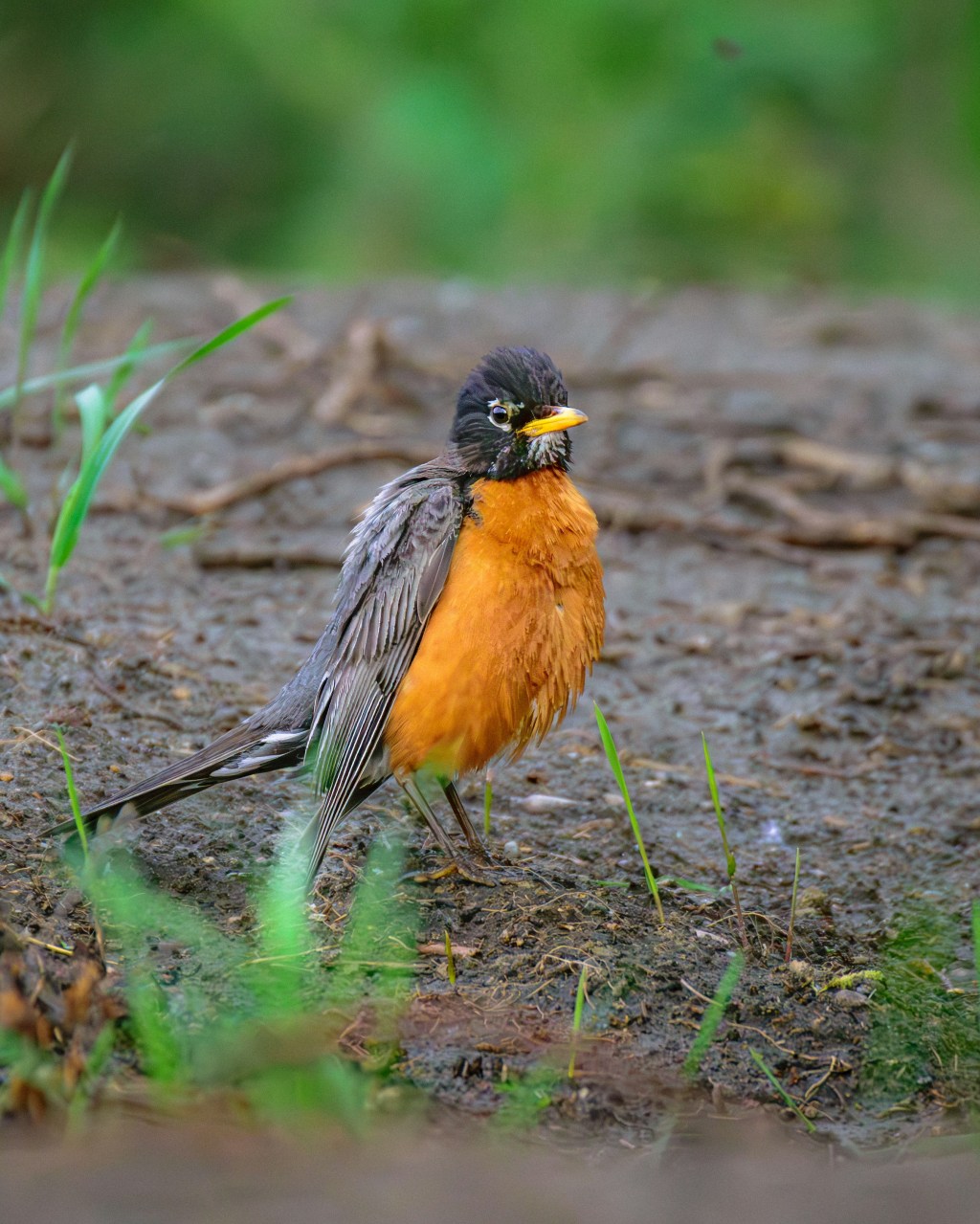
Bulbs are pushing through, and the rhubarb, too. Ladybugs have woken up and are out sunning themselves on the warm days, sleeping in the leaves and mulch when it’s cool out. Robins are back, birds are building nests… Wish we could get a nice rain day to clean things up, make things green again, Soon! It’ll be here soon.
Here are some gardening thoughts for this week. If you have been reading these weekly potting shed posts, you know that there are tips, ideas, how-to’s, and other ramblings, not just what to do now ; )
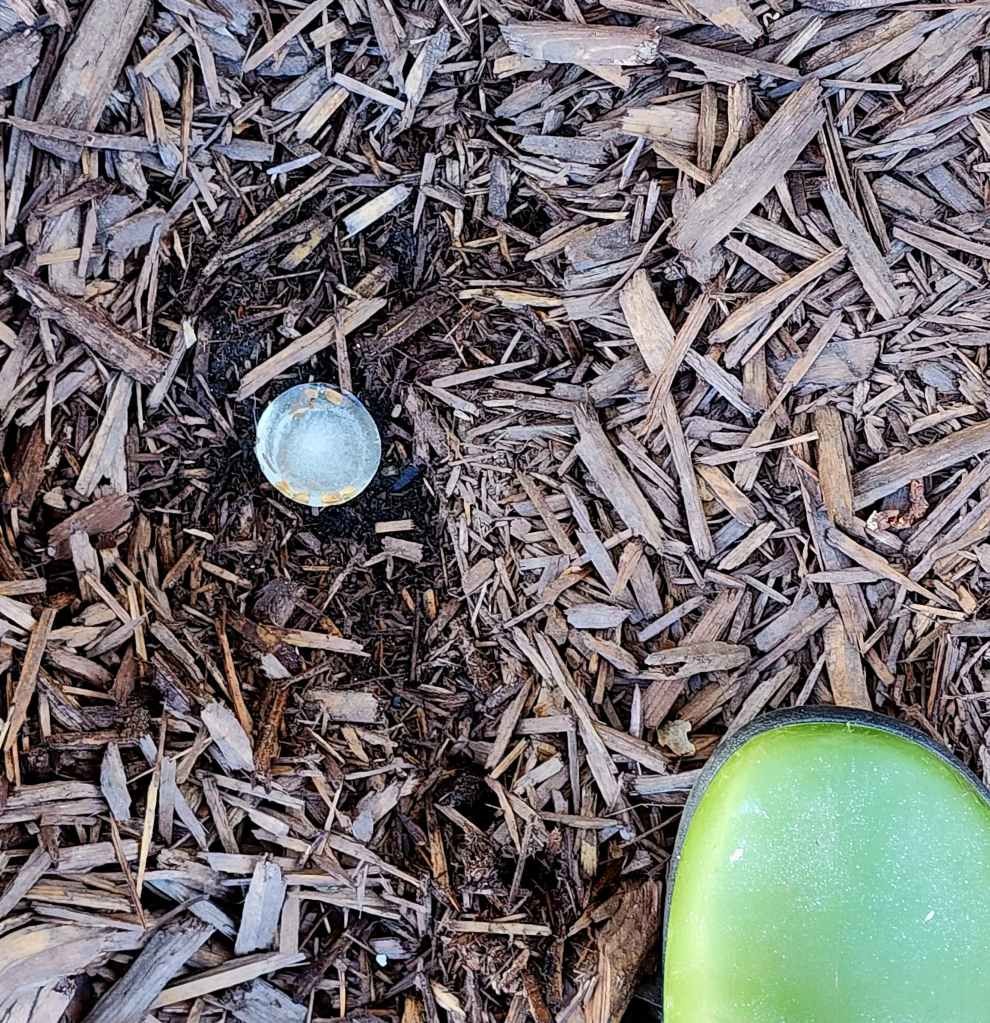
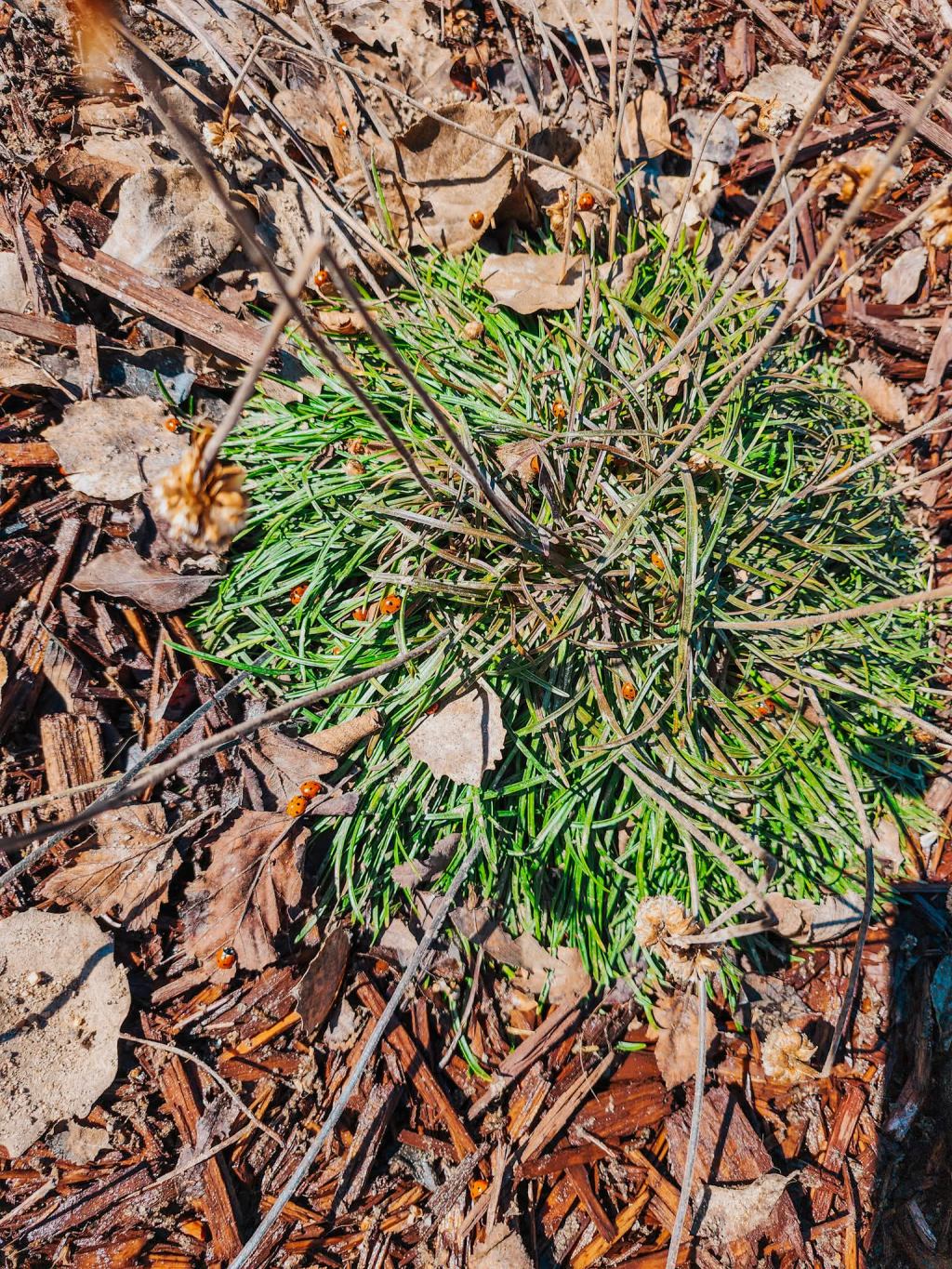
I was out in the garden heeling in my echinacea ice cubes (I will let you know how they turn out), and had to tiptoe around to avoid stepping on ladybugs. They are everywhere!
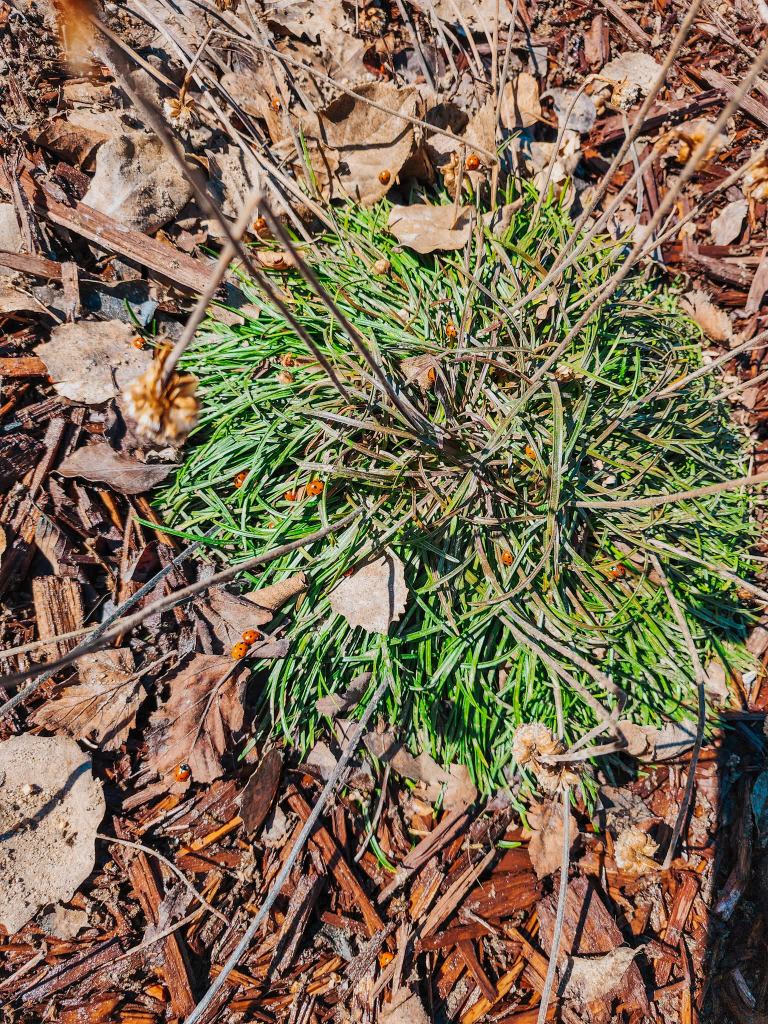
Don’t forget to leave the leaves, the old plant stems, etc… till it is plus 10°C (50°F) out there on the regular. Right now those ladybugs are laying eggs and their larvae are soon going to be looking to eat all your aphids and spring pests. If you take away the leaves and such, you may be getting rid of loads of beneficial insects. Hang in there just a wee bit longer.
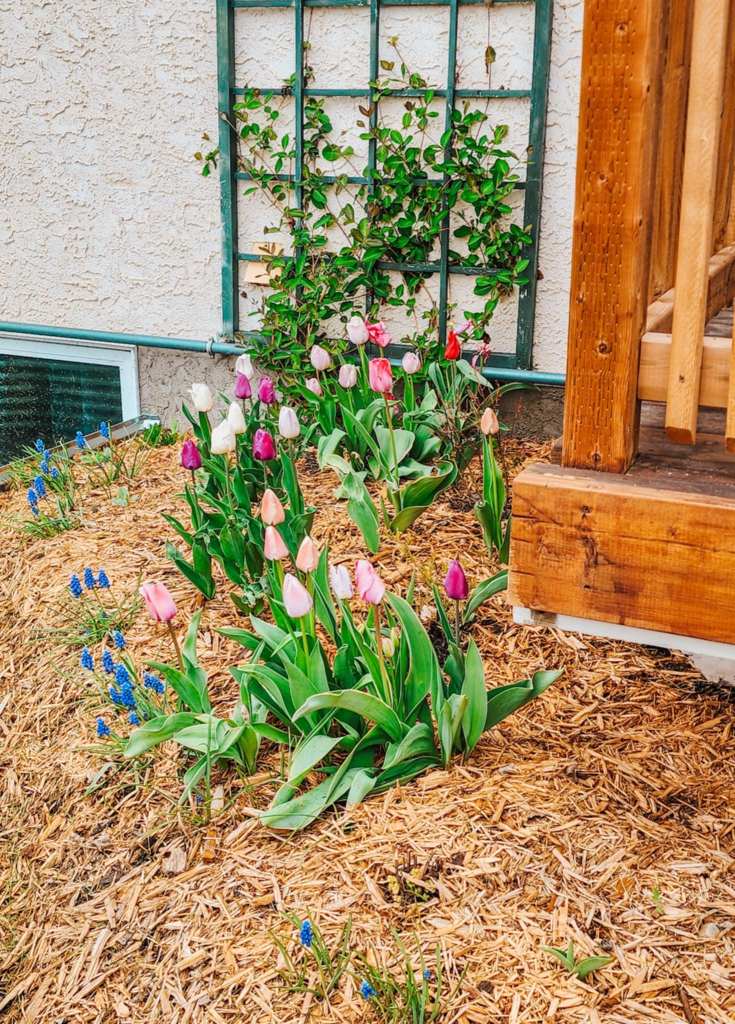
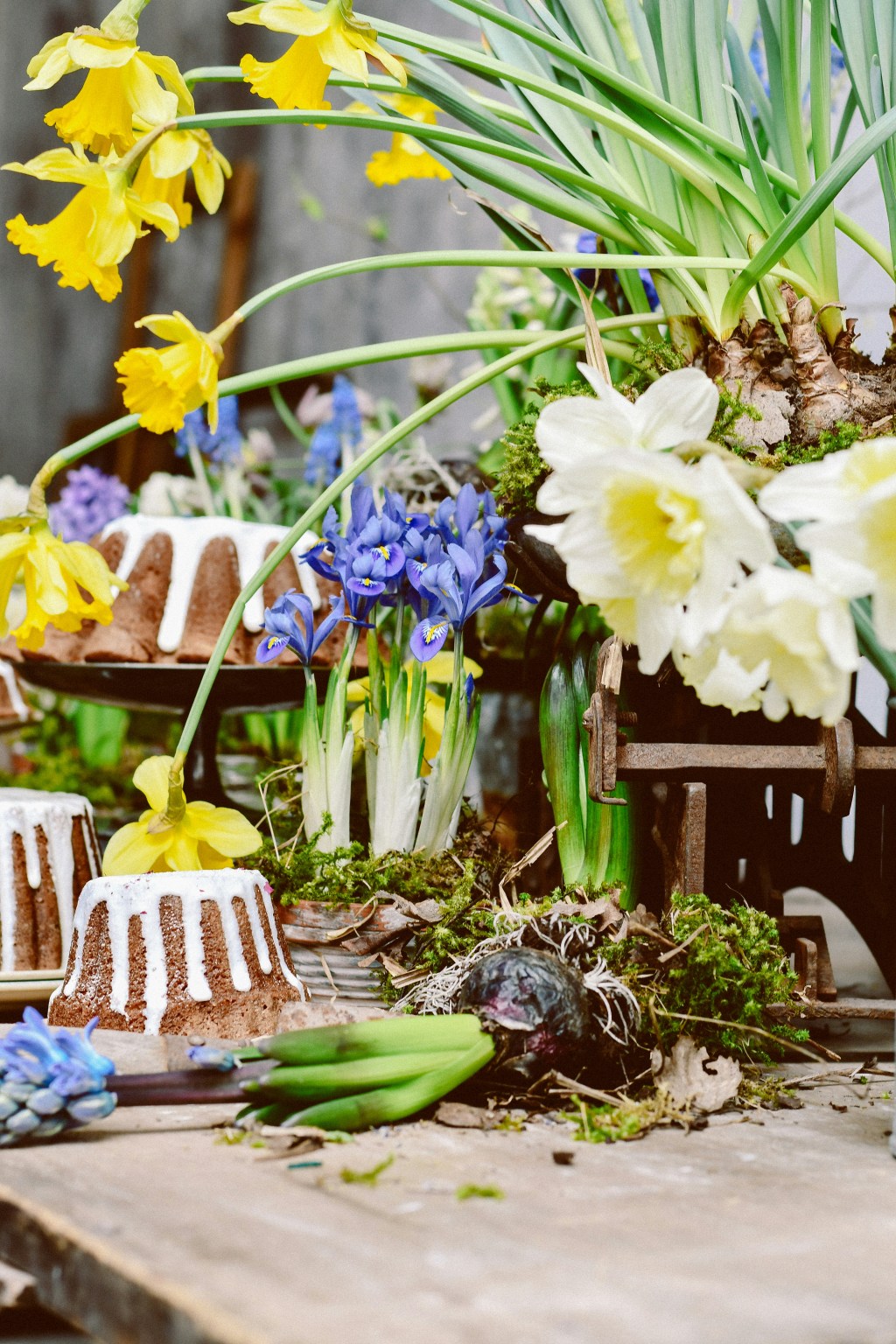
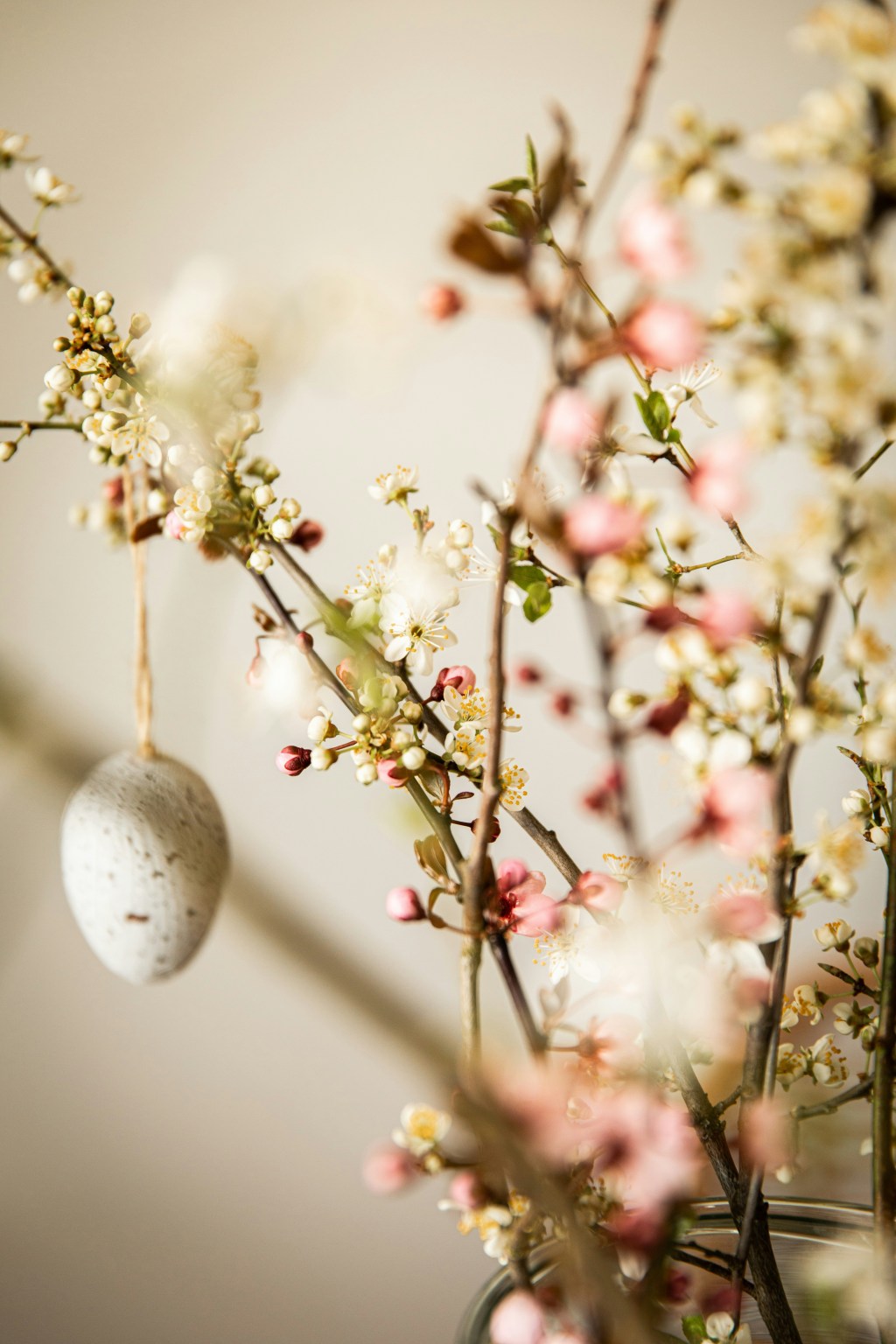
Close to the house, the tulips and grape hyacinths, that you see here, are starting to emerge. They do not yet look like this, but soon!
- To encourage your bulbs and new growth on early perennials, gently push aside some of the mulch and leaves, to warm up the soil. Mulch and leaves keep the frost and cold in the ground for longer, just as they help keep the moisture in the soil in summer.
- Start adding to your compost tumbler/bin. If you have a tumbler, don’t forget to give it a spin each time you go by it, notice it.
- Order more mulch to top up in places where it is running thin. You will need to top up your mulch every 2 to 3 years, as it composts down. This is natural, this is good. This is also why we do not want to put landscape fabric under organic mulch.
- Clean out your bird nesting boxes, bird houses. Hurry! Add new bird houses to attract more songbirds to your yard. Do not do this if you have outdoor cats. Even if they cannot get at the birdhouse, they will go after the fledglings as they learn to fly.
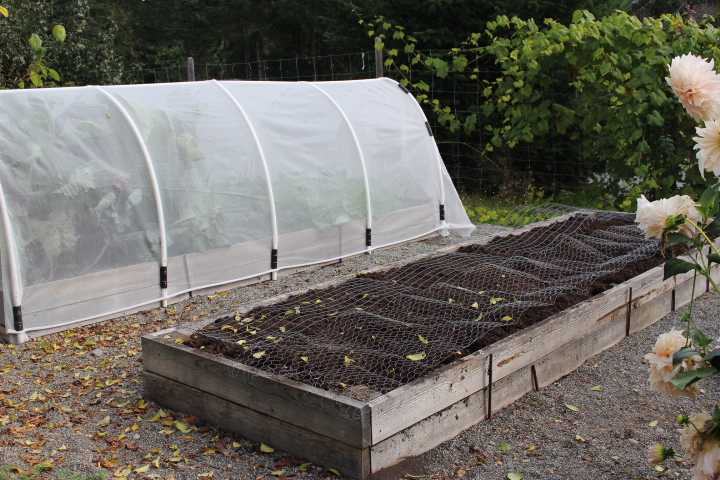
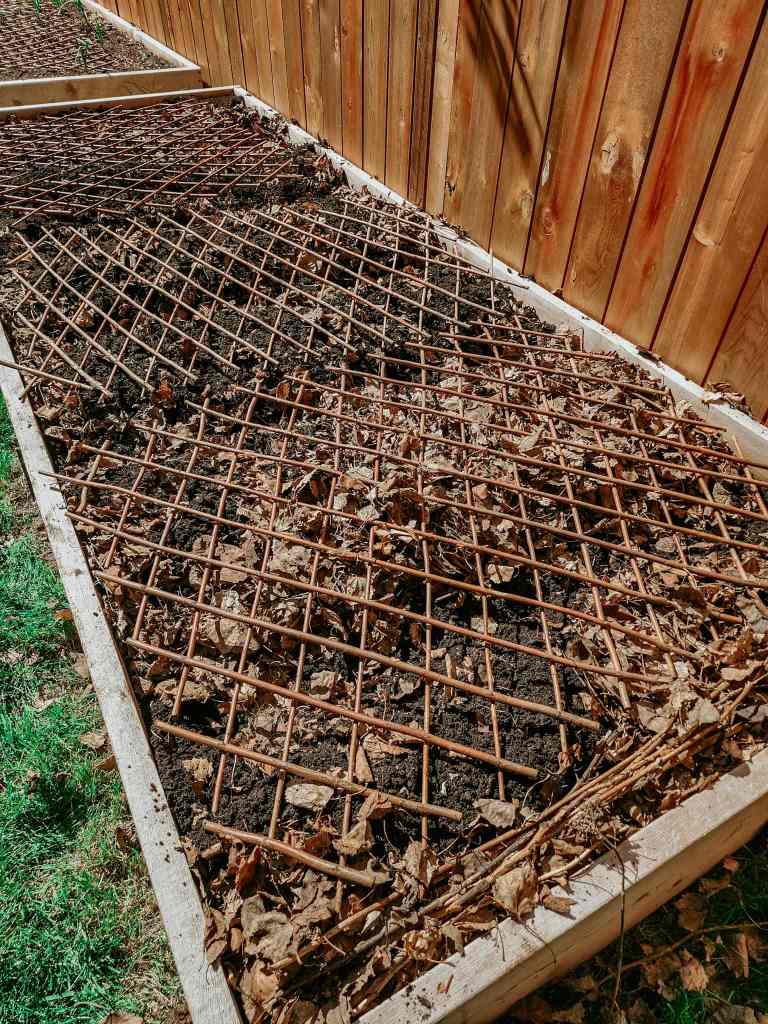
- Speaking of cats… cats do not like to visit garden beds that they cannot scratch in. Using chicken wire (or cattle panels) keeps them out of your beds. I use inexpensive expanding trellises from the dollar store. They expand or contract to fit almost any size of bed. You can leave them on after your plants get large enough, if you want, as the plants will just grow through them, but I like to put mine in the shed till next time. This way, they last for many years.
So, hey… here are some real life things that you can be doing right now.
- Leave your leaves and flower stalks till temps are consistently around 10°C (50°F). This gives your overwintering beneficial bugs a place to hunker down on cold nights, to sleep till the timing is right.
- Dead flower stalks may be the most important thing in your garden right now. Many pollinators use hollow stems and dead wood as nesting sites. Inside those stems, native bees have been developing all winter, waiting for their chance to emerge and pollinate your garden.
- Spent flowerheads are beneficial to leave around to feed the birds. I have had tons of robins in my lawn and garden beds already this spring, plus waxwings cleaning off berries. I am sure there are other little birds that I haven’t noticed.
- Never muck about in wet or soggy soil. Wait for a stretch of nice days.
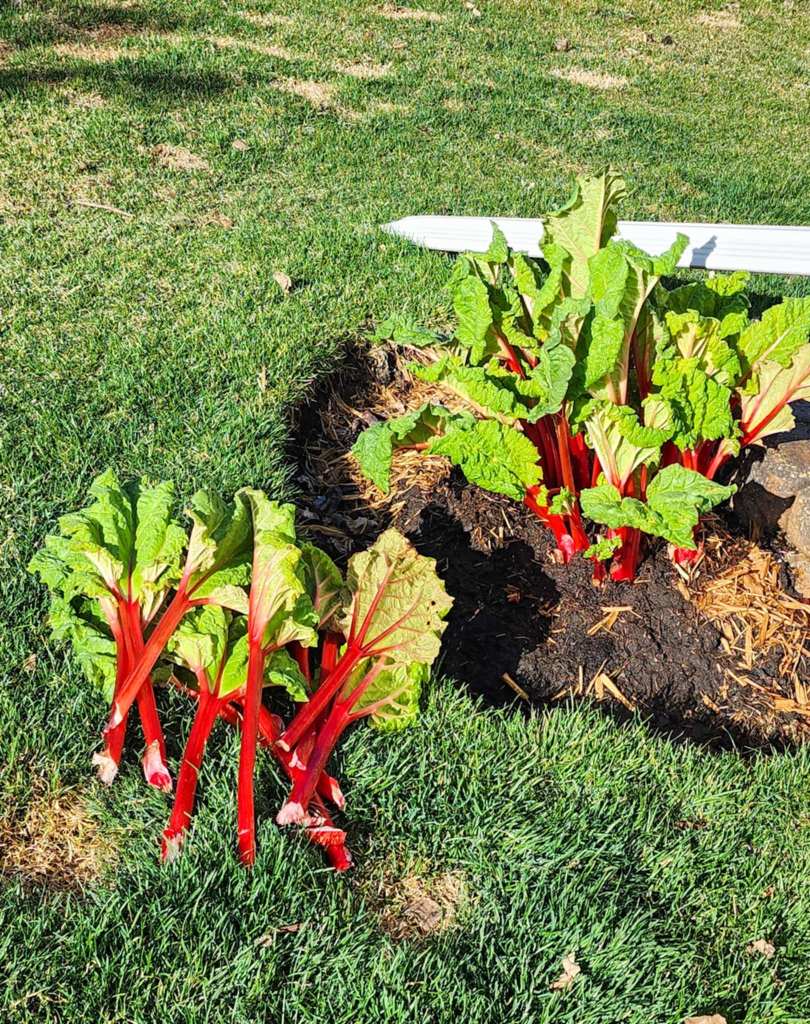
Now is the time to cover your rhubarb if you want to force it for earlier stalks that are more tender and sweet.
- When buying flower bulbs/corm/tubers…. if you can see through the bag, look for mould. Feel the bulbs to make sure they are plump and firm. If they are soft, mushy, stringy, dried out, or mouldy, do not buy. I had my daughter pick up 15 glads for me, all but 4 were dried out or rotting.
- Pop your gladiola corms onto a saucer of water, place in a bright window.
- If you are in a warm zone (west coast readers), get ready to direct sow your zinnias, cosmos, calendula. Mid to late April is perfect. Start peas, spinach, kale, chard, radishes, green onions, lettuces. I, personally, do not like to start carrots or beets till May, as I find they germinate faster and grow better, bigger roots.
- If you are a prairie gardener, get ready to direct sow your sweet peas, spinach, echinacea, poppies, lettuce, bok choy, green onions, radishes and turnips.
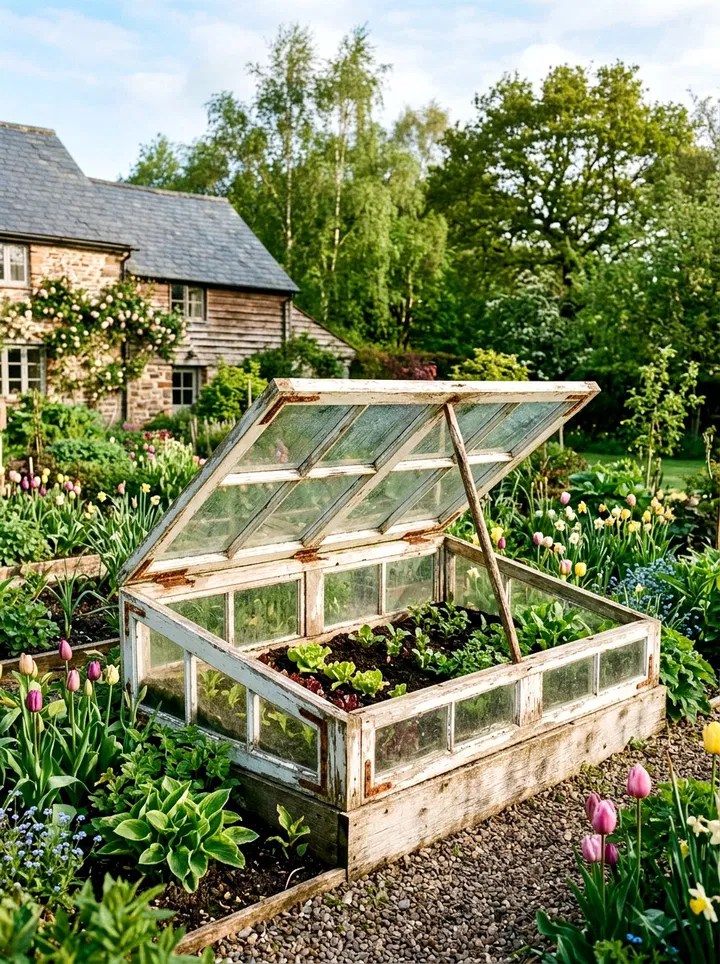
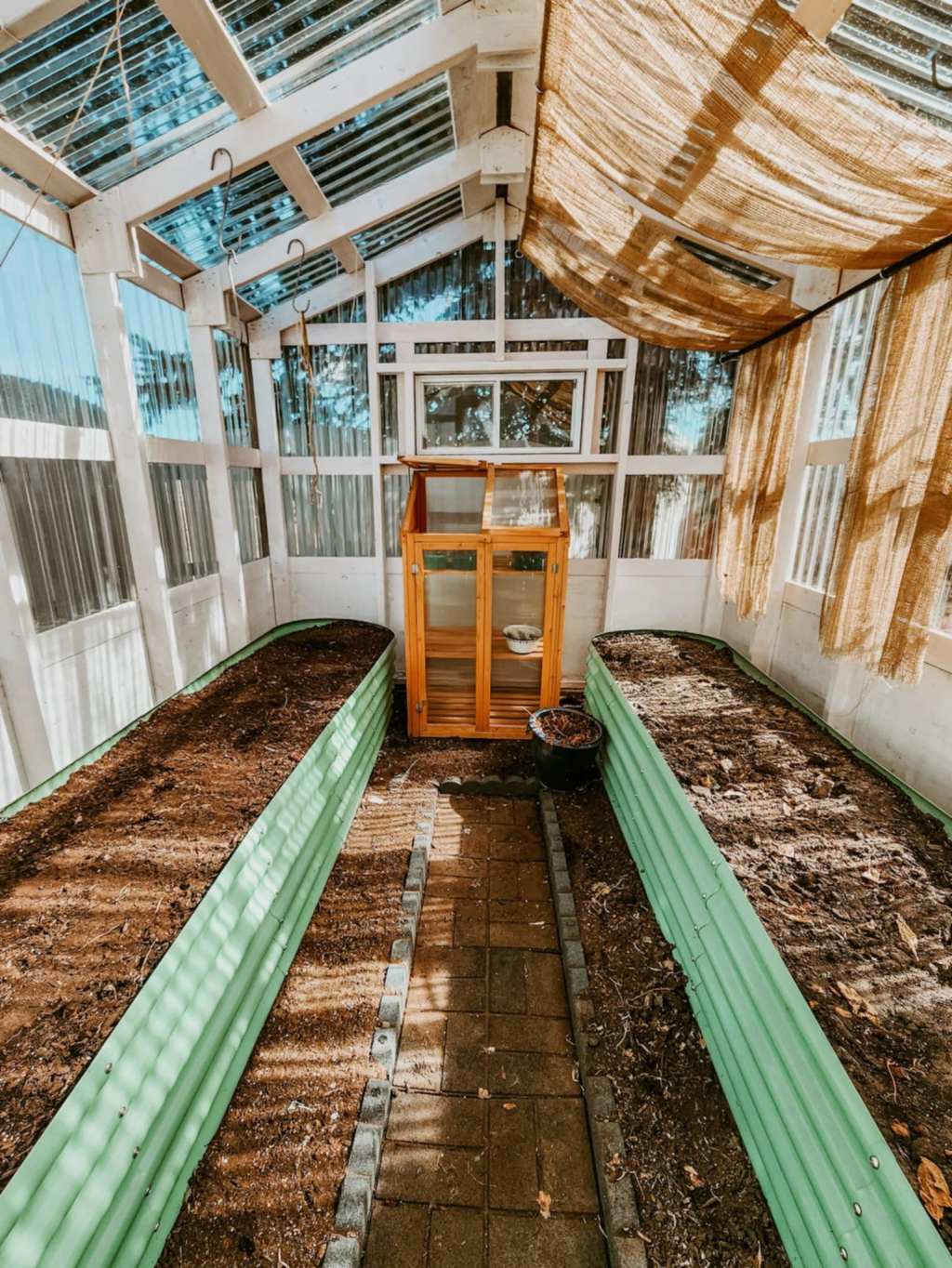
- An unheated greenhouse or a cold frame is prefect for starting early crops and sheltering flowers till temps are warm enough for them to go outside. Check out the ideas for cold frames in this week’s Sunday Ramblings.
I heard that this Dawn Giant Leek can be direct sown in April for harvest in 95 days. Even if it takes a few weeks longer, you are harvesting in August or September. That is fantastic!
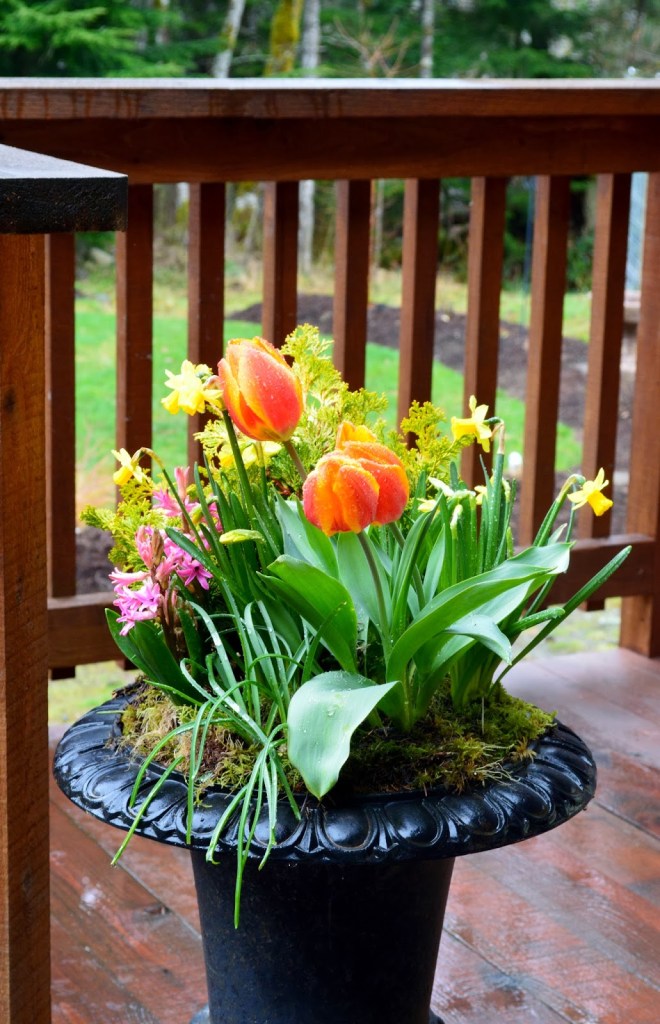
Plant up a pot of spring colour for your front porch to brighten your mood and your entrance. Nothing like a porch pot of pansies, violas, or spring blooming bulbs.
When you see pots like these with spring flowering bulbs in them, they were either purchased in small pots from the greenhouse, have been forced for earlier blooming, or they were potted up last fall and overwintered in the pots in a cool greenhouse.
I just picked up a package of violas from our local Home Hardware store and have been hardening them off so that I can pop them out into the porch pots very soon. They can handle a bit of frost, cold, and snow.
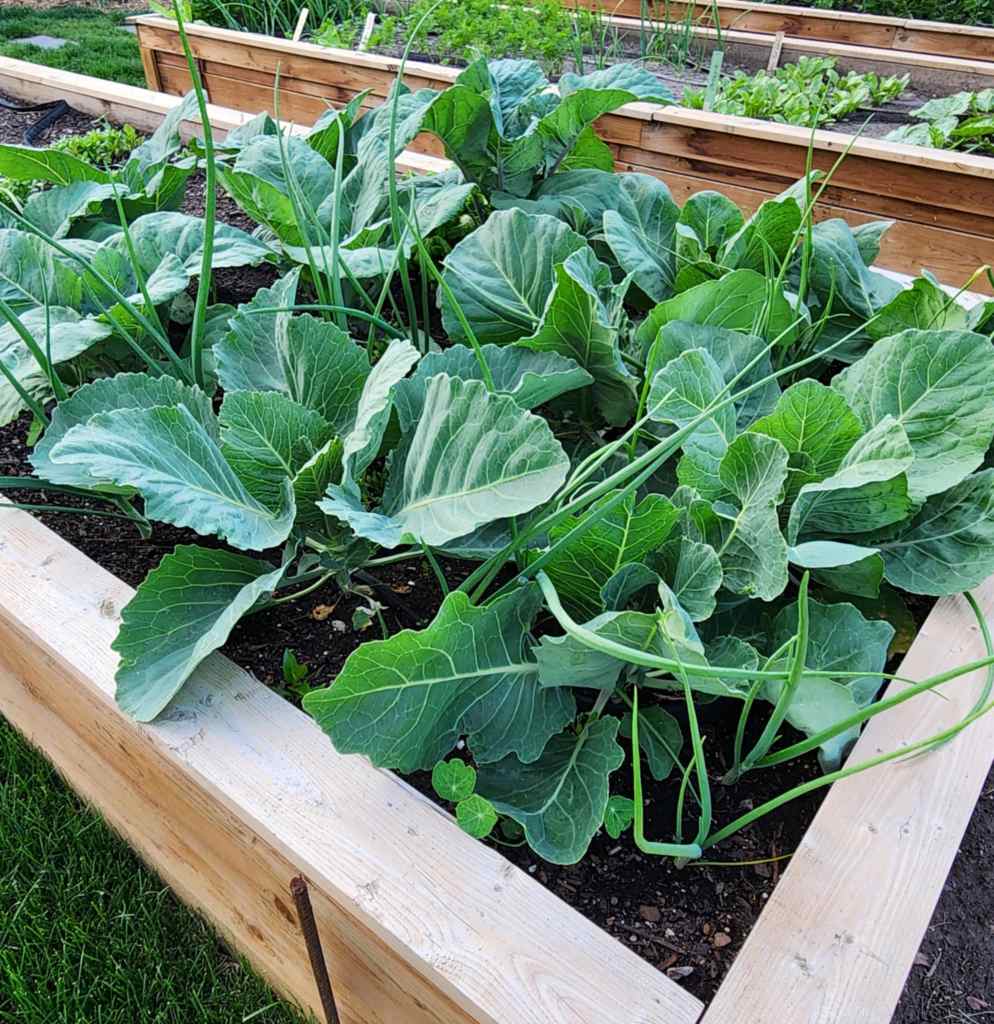
Here is a quick what to sow and grow now…
VEGGIES (Start these indoors now to plant out in 4 to 6 weeks, or direct sow in a few weeks time)
- Arugula
- Basil
- Bok Choy
- Broccoli
- Cabbages
- Cauliflower
- Green Onions
- Lettuce
- Kale
- Tomatoes (yes, there is still time – cannot be direct sown)
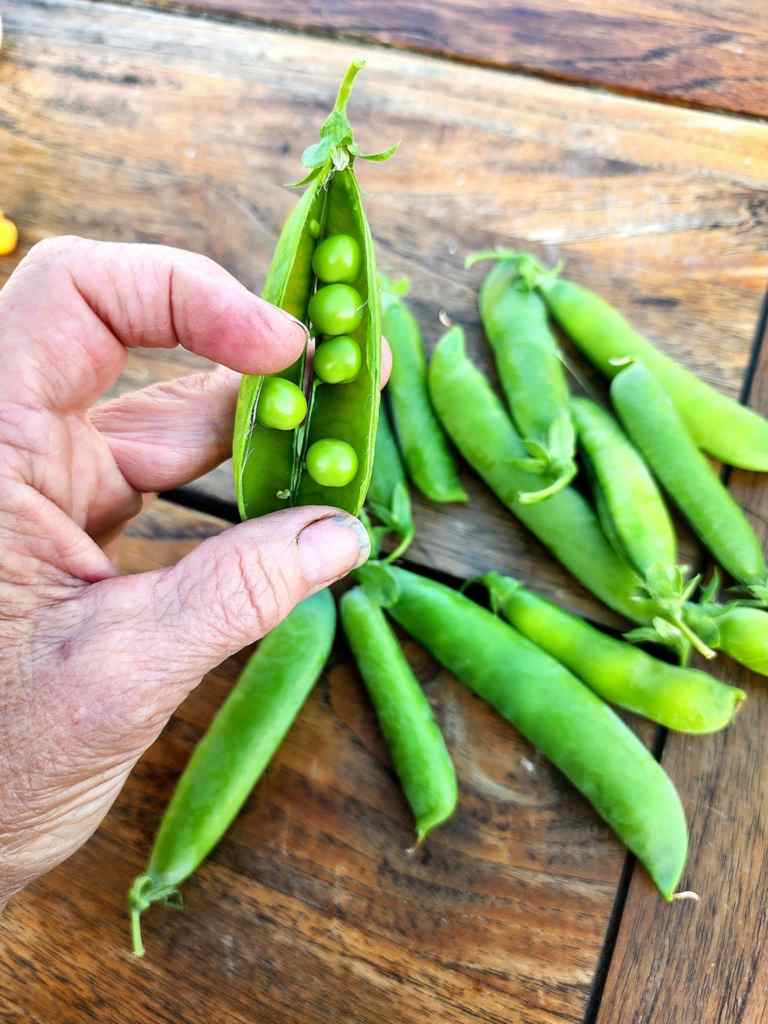
- Peas
FLOWERS (Start indoors now to plant outside in 4 to 6 weeks time)
- Asters
- Calendula
- Calendula
- Marigolds
- Snapdragons
- Statice
- Stock
- Strawflowers
- Sweet Peas
Direct Sow Now or Soon
- Chard
- Green/Spring Onions
- Kale
- Spinach
- Peas
- Radishes
Direct Sow Now or Soon
- Forget Me Nots
- Echinacea
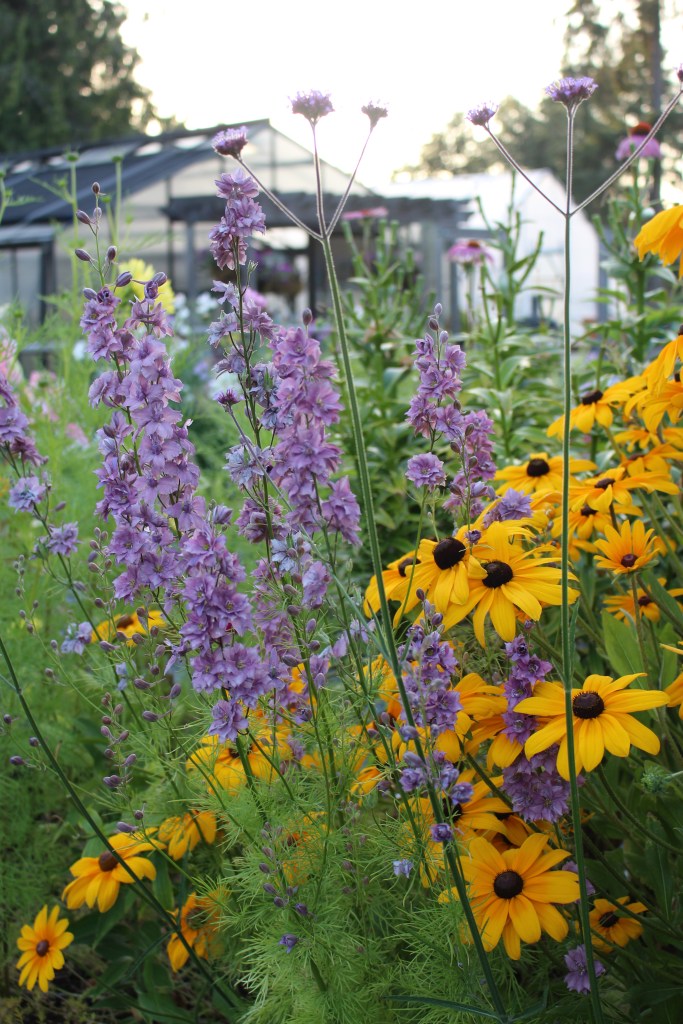
- Larkspur
- Sweet Peas

 The Marigold Potager - A Zone 3 Prairie Garden
Leave a comment