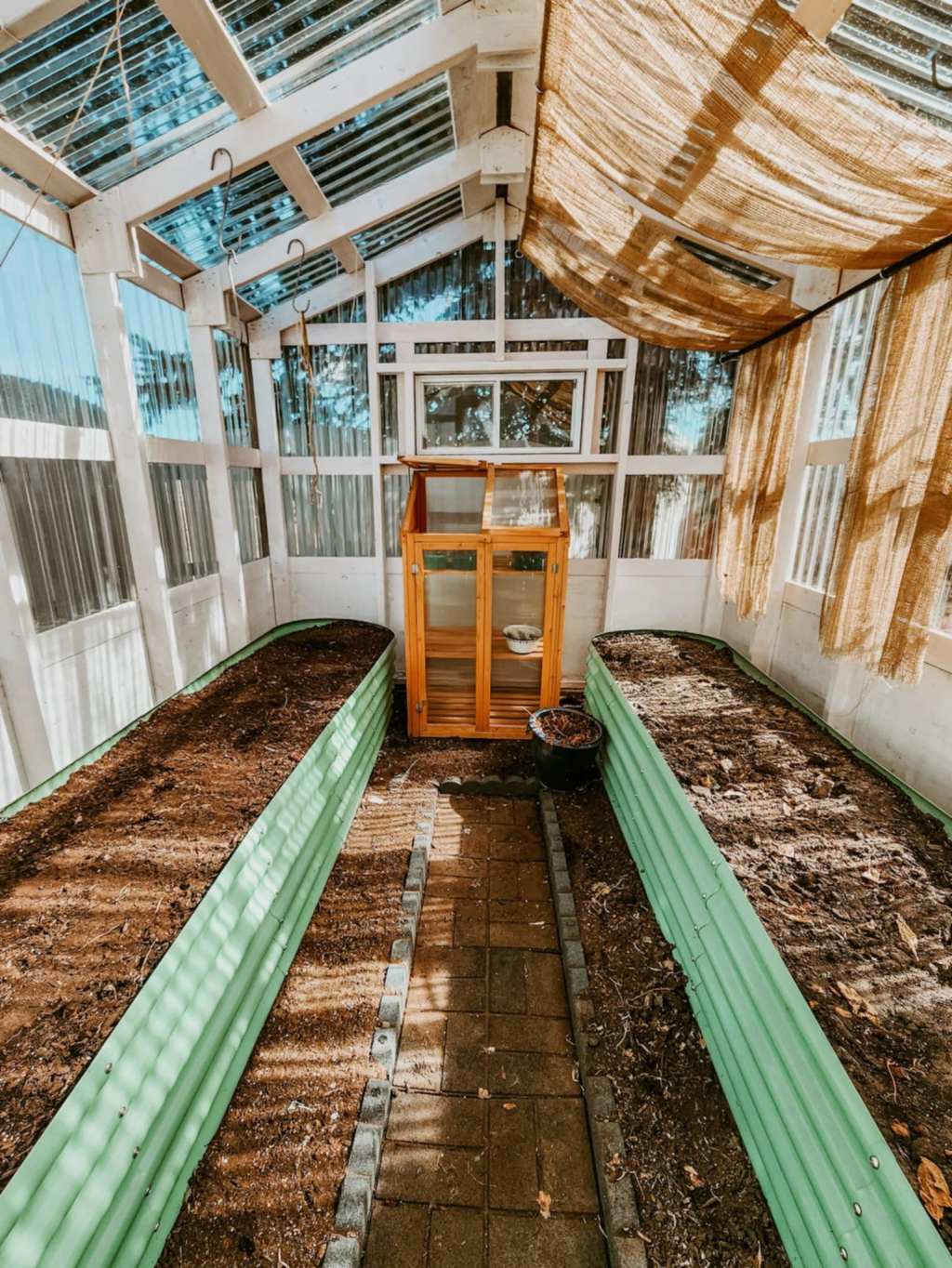
Here we are, heading into the last week of the month already. We have had some stunning weather this past week, with temps as high as 20°C on our back deck.
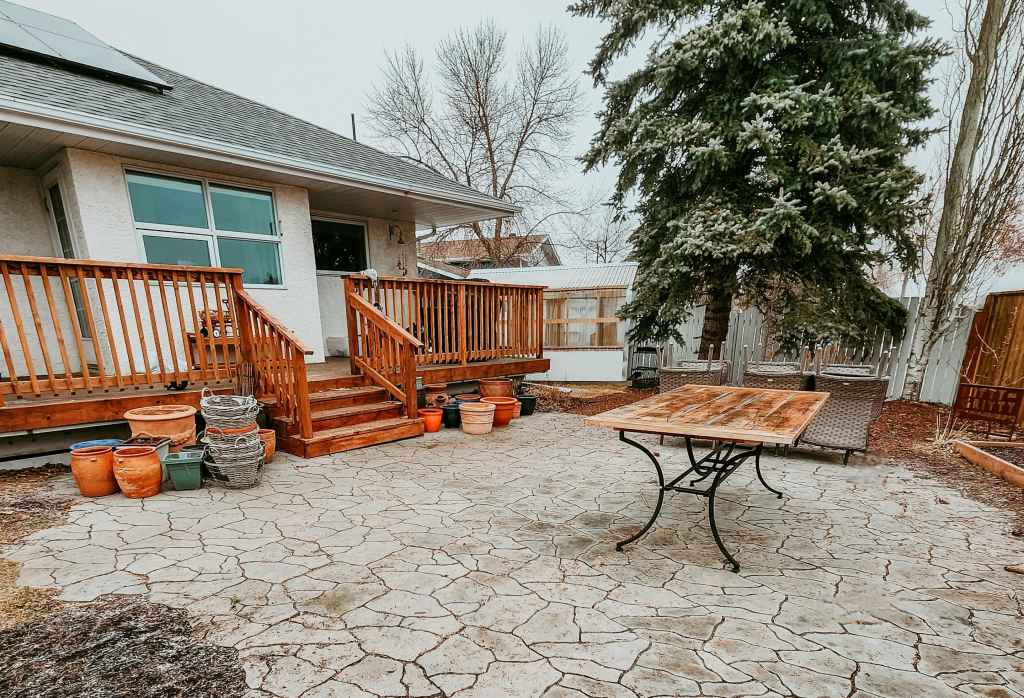
Hubby has pulled forth all the pots, baskets, planters from the shed, plus the table and chairs. It is early yet, but I can start planning where to put what on sunny warm days as I putter in the garden.
They will get snowed and rained on, but not cold enough to crack my lovely terracotta pots.
If you are a local, I am speaking tomorrow at the Innisfail Garden Club (The Alliance Church at 7pm) about how to start tomatoes and peppers from seed. If time allows, I am also going to touch on how to start roses from bare root, bagged perennials, bulbs, tubers, and veggies. A bit of everything.
Also, don’t forget to check out the workshop list… Workshops & Contact – The Marigold Potager – A Zone 3 Prairie Garden. The tomato workshop is filling up quickly!
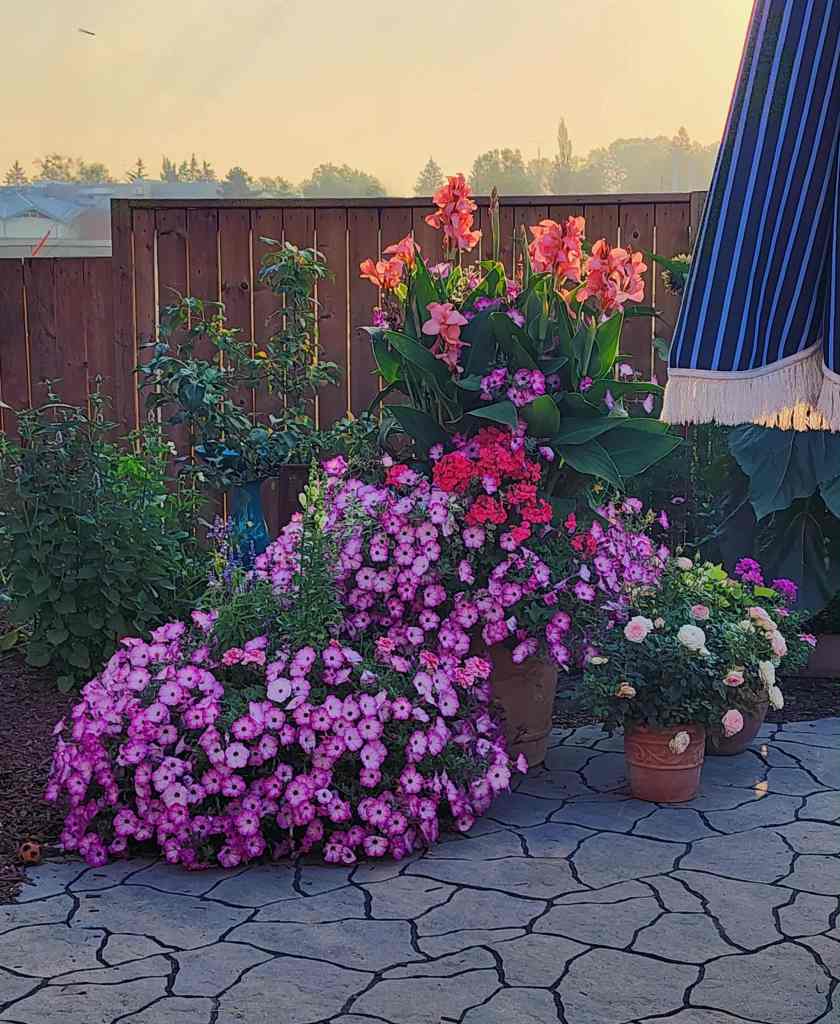
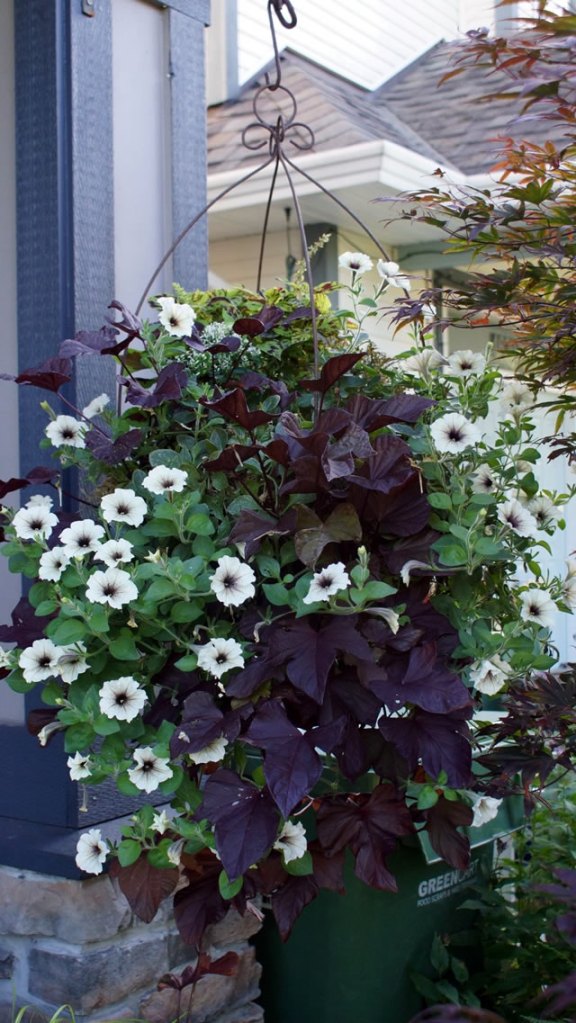
I was planning on making summer 2026 all white and very, very blush hues of pink or silver. However… the dark purple ipomea has caught my eye and I have changed my mind (again, as I tend to do). I think I am going to go with the purple ipomea with either pink or white flowers, maybe both instead. They will pop against the house, the fence, the gardens.
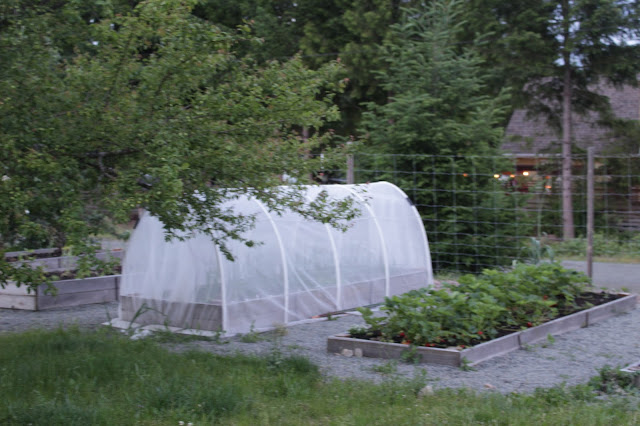
Regarding the covers for pests from last week, I have had people ask if they can use the white fabric instead of insect netting/screening/bug mesh. Well, no….
You can use the white frost blankets in the spring, till the temps rise. They keep the warmth around the plants and in the ground, while allowing in sunshine and water. As they are designed to hold in warmth, they become too warm and will cook your plants in summer time.
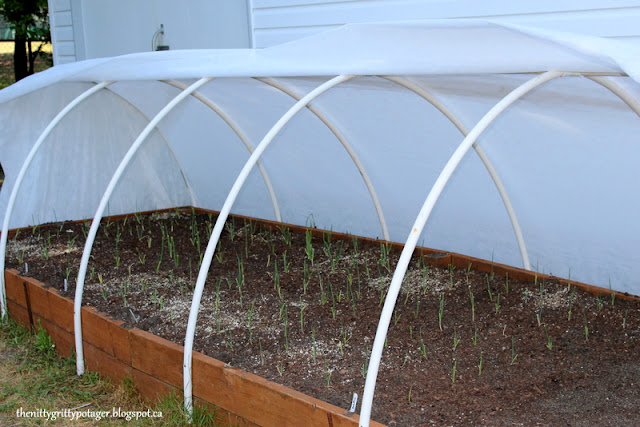
Use frost blankets in spring and switch to insect netting in summer. If you are building a structure that is meant to keep out the bugs, use the netting.
Please note that you do not have to start everything from seed. Whether you grow seedlings, direct sow, or start everything from seed, you are a gardener.
- If you want to start nothing from seed, you are a gardener! Buy all your seedlings from the shops and skip the messing about with pots, soil, seed orders, etc…
- Direct sowing is very handy and works for a great many flowers and vegetables. Seeds are cheaper than starter plants, so if you want to start everything by direct sowing, you are a gardener.
- Start just a few things at home, buy the rest as starter plants. You are a gardener.
The main reason that I start my peppers, eggplants, and tomatoes from seeds is because I am a particular about the varieties that I want to grow. As one of my readers said to me, I like that you cater to us ‘tomato snobs’. Hahaha. Indeed I do!
Spring Clean Up
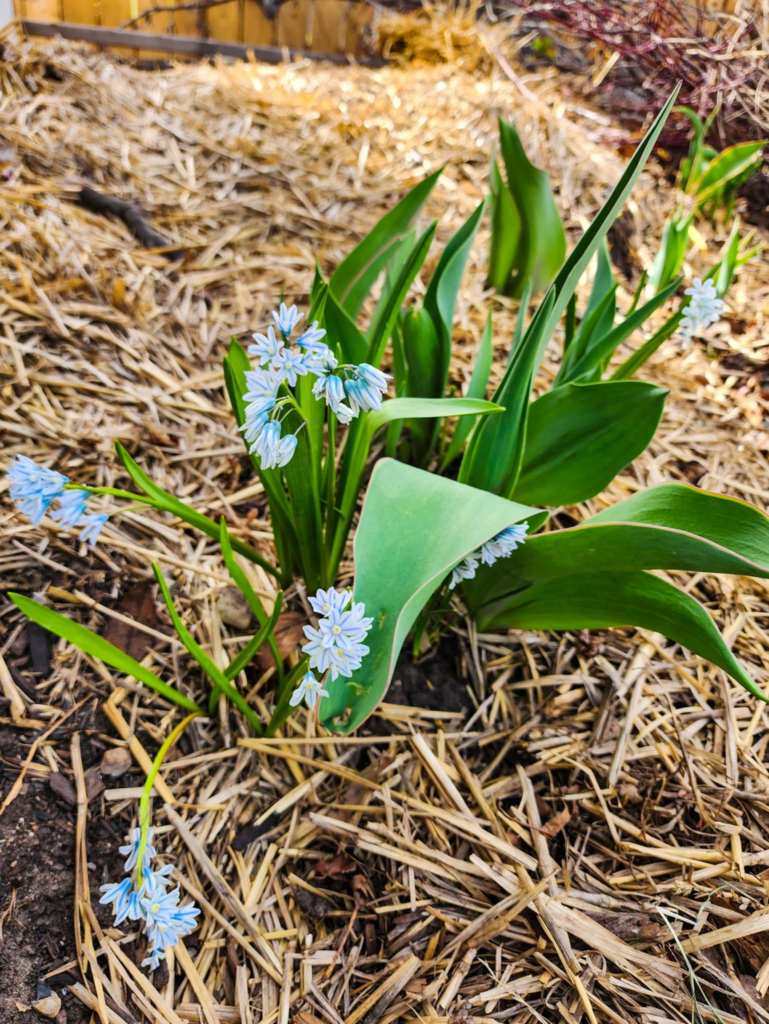
I know as the snow melts you all are itching to get on with your spring garden clean up, too. For the over-wintering native bees, ladybugs, and other beneficial insects, it is best to wait until your night time temps are reliably around +10°C (50°F). For most of us, that is in early to mid-May.
This allows them time to wake up at their natural time, when food sources are available for them.
Now, this does not mean that you cannot do anything, however. If you want to get at cleaning up your tall, hollow stemmed plants (raspberries, coneflowers, hyssop, lilies, etc…) cut them at ground level and lay the stems in a pile somewhere off side in your garden. The bees and beneficials will happily stay asleep inside the stems until the temps are right. Chop and toss the stems in your compost bin afterwards.
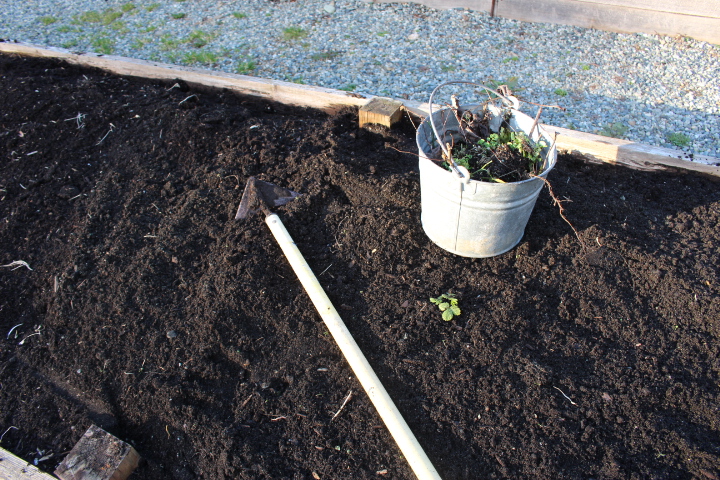
Start weeding as soon as the snow melts and you see the weeds emerging. Get them before they go to seed.
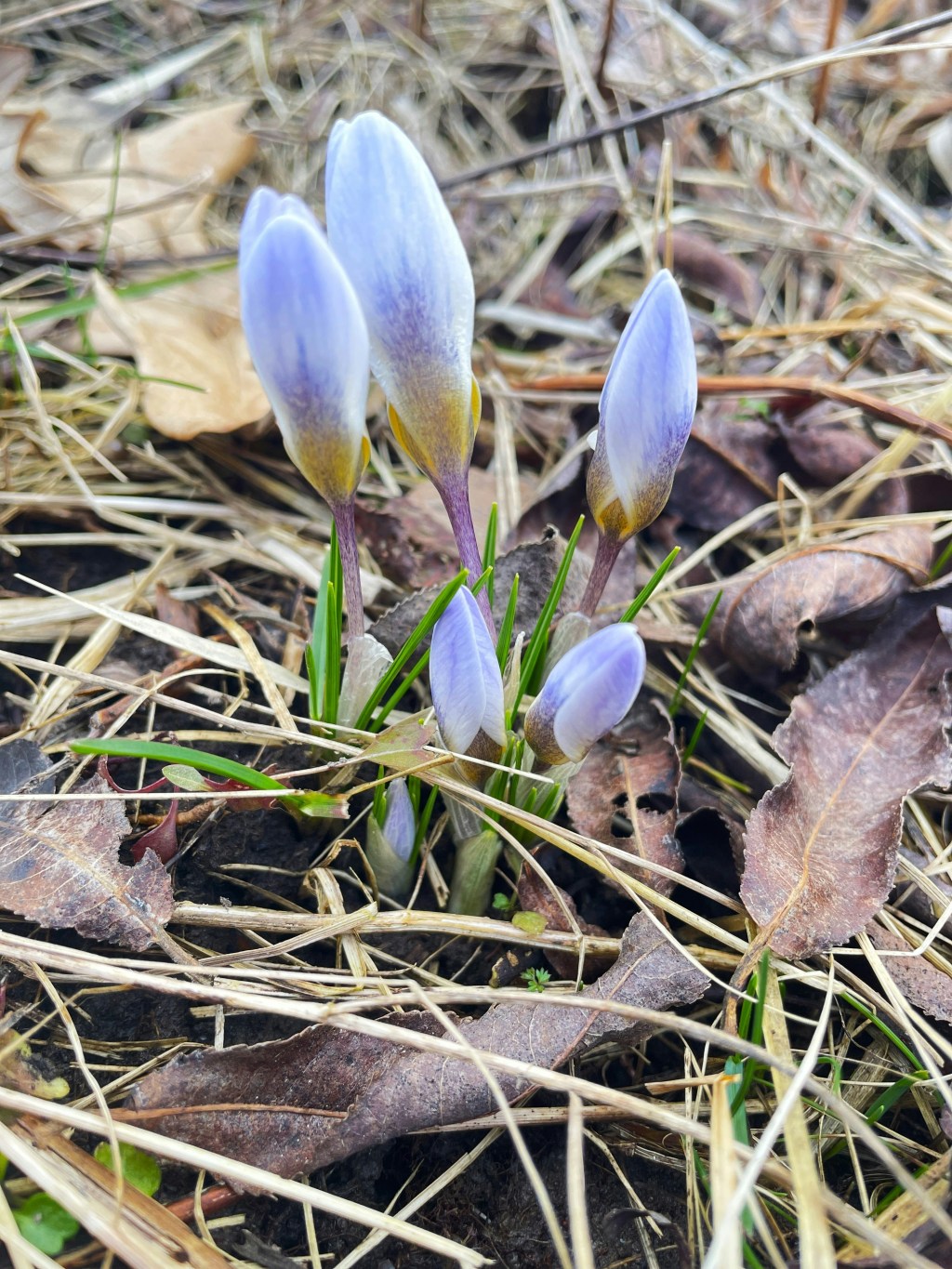
Controversial, but true, nevertheless… if you do not like dandelions, you do not have to feel guilty about removing them from your lawn/yard. They are not a bees only first food source in spring. Fruit trees and many shrubs will be flowering, early spring flowers will be up, there are so many other alternatives. If you love them, let them be, if you don’t, dig them up (do not spray with anything, even organic sprays kill the bees). If you feel a bit guilty, plant more spring flowering shrubs, trees, and flowers to feed the bees – bulbs like crocus, squill, daffodils, fritillary. Fruit trees, pussy willows, serviceberries, maples, hellebores, violas, primroses, heather, snowdrops…
You can be direct sowing in your unheated greenhouses and hoophouses now. Choose cool season crops like spinach, radishes, turnips, onions, lettuces, pes, chard, kale can be sown now in a sunny, warm bed.
Some of you may be at the ‘getting your gardens ready for planting’ stage.
- Do not muck about with your soil if it is wet, wait till a stretch of nice dry days.
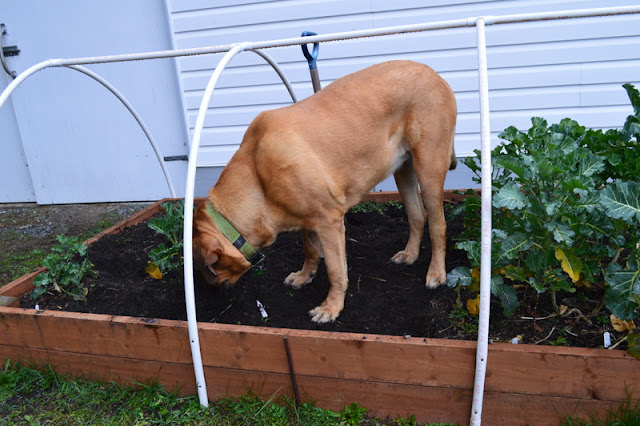
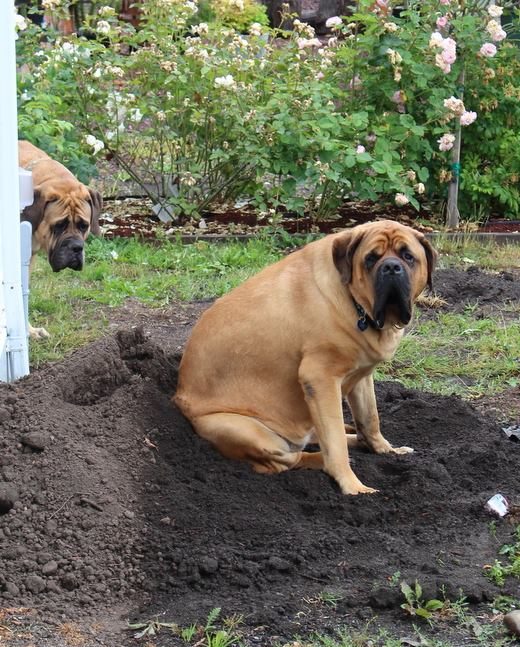
- If you have 200 lb mastiffs lying around in your raised beds all winter, compacting the soil, you may need to use a broad fork or a garden fork to lift and gently loosen and aerate, the soil.
- If you do not have a mastiff problem, you should not have to lift, loosen, or aerate your soil. Top dress your beds with manure, compost, and/or organic matter once or twice a year, then let the earth worms and Mother Nature take care of the rest.
- Roto-tilling has been proven to be detrimental to your soil. It destroys soil texture, shreds the mycorrhizal fungi strands (which help your plants grow great roots for taking up more water and nutrients), and brings up hidden weed seeds for a weedier garden, not to mention what it does to your earthworms and other soil life.
- It sounds counterintuitive to not ‘stir up’ heavy soil, but feeding it with several inches of compost/well rotted manure will give you better results, instant benefits, healthier vegetables and flowers.
- To feed your soil with compost, you can simply layer it on top or lightly dig it into the top few inches with a garden fork. The compost will increase soil life and they will disperse the nutrients and aerate your soil.
- If you have been feeding your soil annually, you may only need to add 1 or 2 inches. If your soil is very compacted, very heavy clay, depleted of nutrients, you may want to go with 4 to 6 inches for a few years. You will find a marked improvement in the health of your plants as you improve your soil annually.
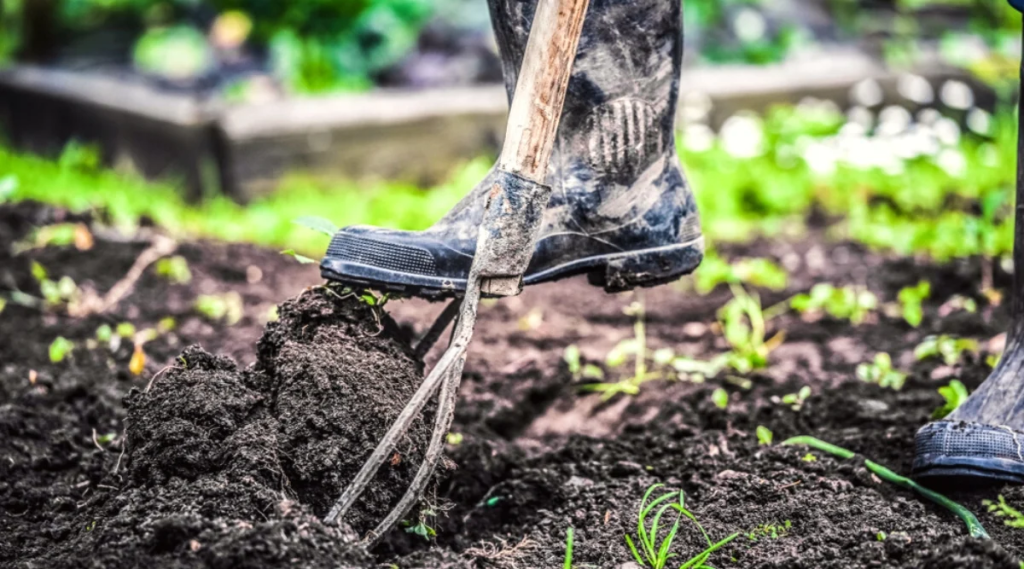
To aerate the soil, insert the garden fork into the soil about 8-12″ deep, gently rock back and forth to loosen the soil, remove the fork. Repeat throughout your planting beds’.
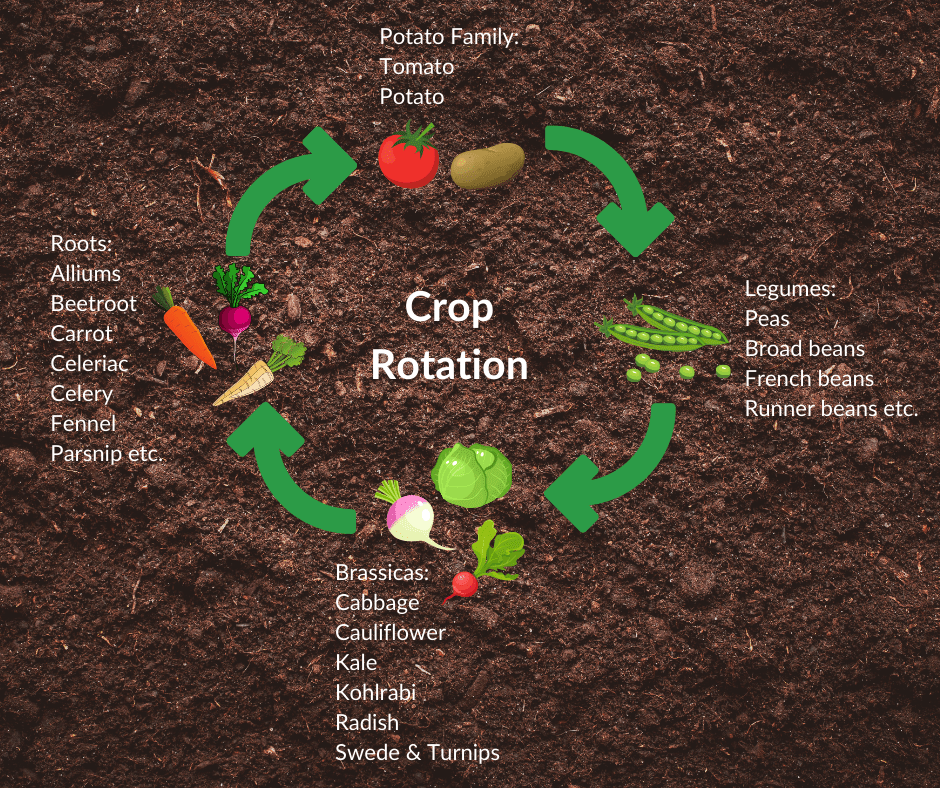
When making your garden plans, you want to consider crop rotation. This is less important in home gardens than on farms as we plant all sorts of diverse plants in one bed. It is less common to have a bed with just one item in it.
Still, all in all, if you can switch your crops from bed to bed each year, you will have healthier gardens and crops as some veggies pull more nutrients from the soil than others. Top dress with a bit of compost and switch up your plantings.
Do not get too hung up on it, your veggies will thrive whether you do it or not as long as you feed the soil.
If you have a bed that is the best location for your tomatoes, potatoes, or garlic, as long as you feed the bed to replenish nutrients each year, you do not have to move them elsewhere unless you find yourself with problems. If you get persistent scab on your spuds, white rot on your garlic, you will want to move them away and not grow in them in that same bed for a minimum of 4 years.
Seeds To Sow This Week (and all the others mentioned in the past few weeks)
- Sweet Peppers
- Tomatoes
- Artichokes
- Celery
- Onions
- Leeks
- Eggplant
- Herbs
- Asters
- Sweet Peas
- Echinacea
- Rudbeckia
- Yarrow
- Delphiniums
- Larkspur
- Calendula
- Marigolds
- Icelandic Poppies
For my island readers, here is a what to do, grow, and sow now...


 The Marigold Potager - A Zone 3 Prairie Garden
Leave a comment