I know it is early for garlic advice, but this just happened so I had to share.
This is it. Time to get started. Fire up the potting shed, the greenhouse, your growing shelves!
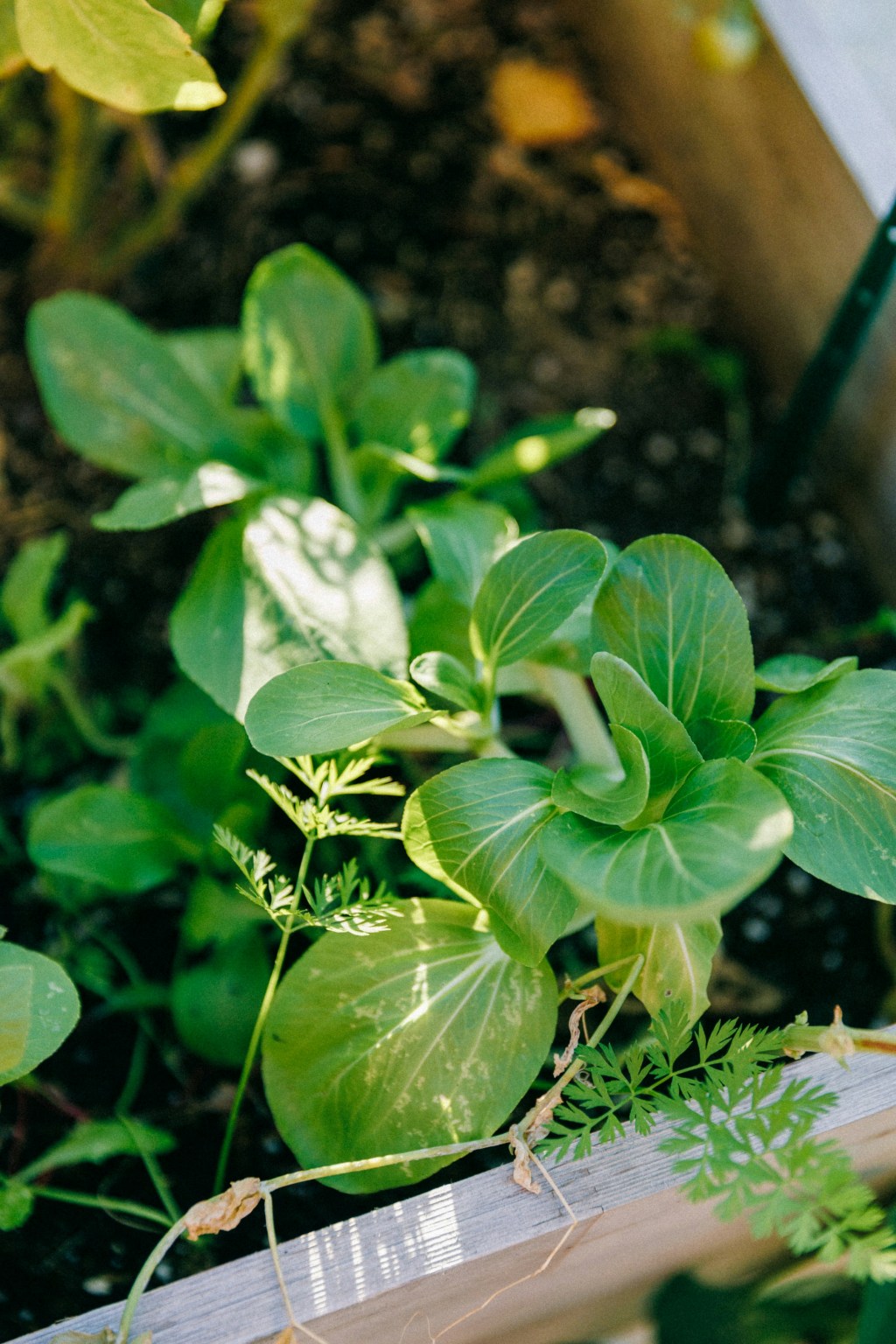
Did you know that Bok Choy is super hardy? Can even handle a bit of snow?
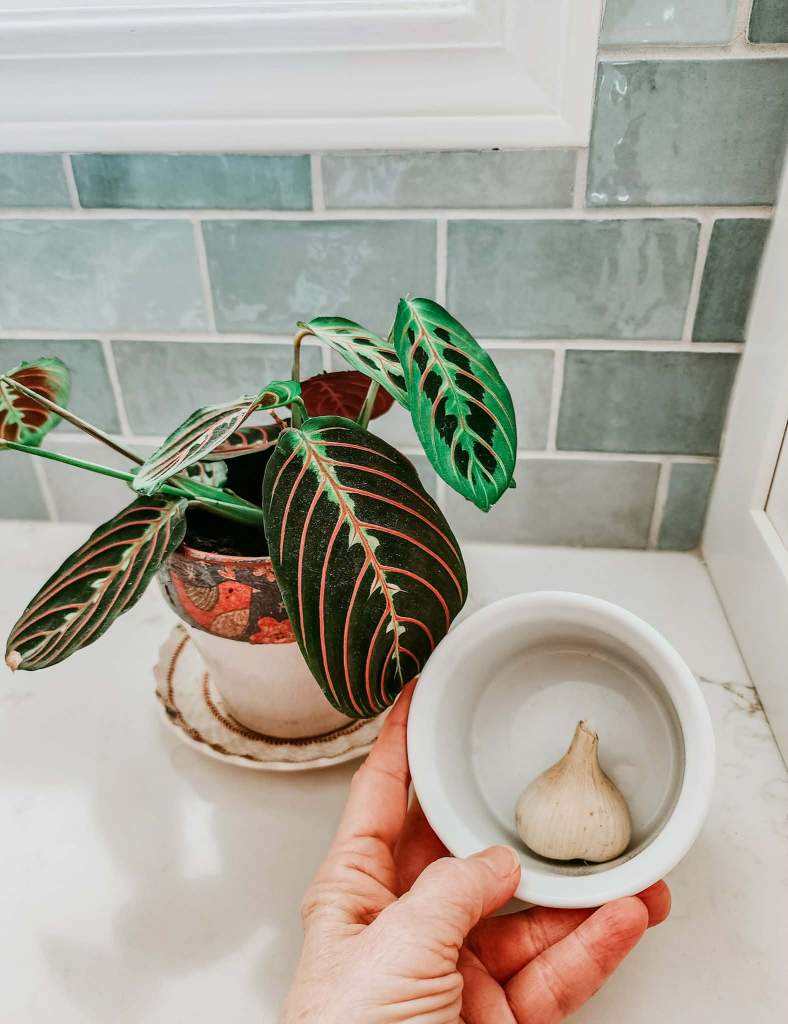
Say it ain’t so! I am down to just one single homegrown garlic bulb to last me till I harvest this summer’s crop. Ack! I may have to buy some from the garlic farm to tide me over.
I often get questions about how to store garlic. We don’t do anything special with it. The garlic sits in a bowl, in my kitchen, underneath the east facing window. It stays relatively cool in our kitchen, unless we are doing a lot of baking, so the bulbs are fine.
We start with a larger bowl in the fall, of course, and then downsize as we begin to run low. The bowl is not covered, it is not in the dark, no special tactics are taken. Simply a bowl on the counter in a cool-ish kitchen.
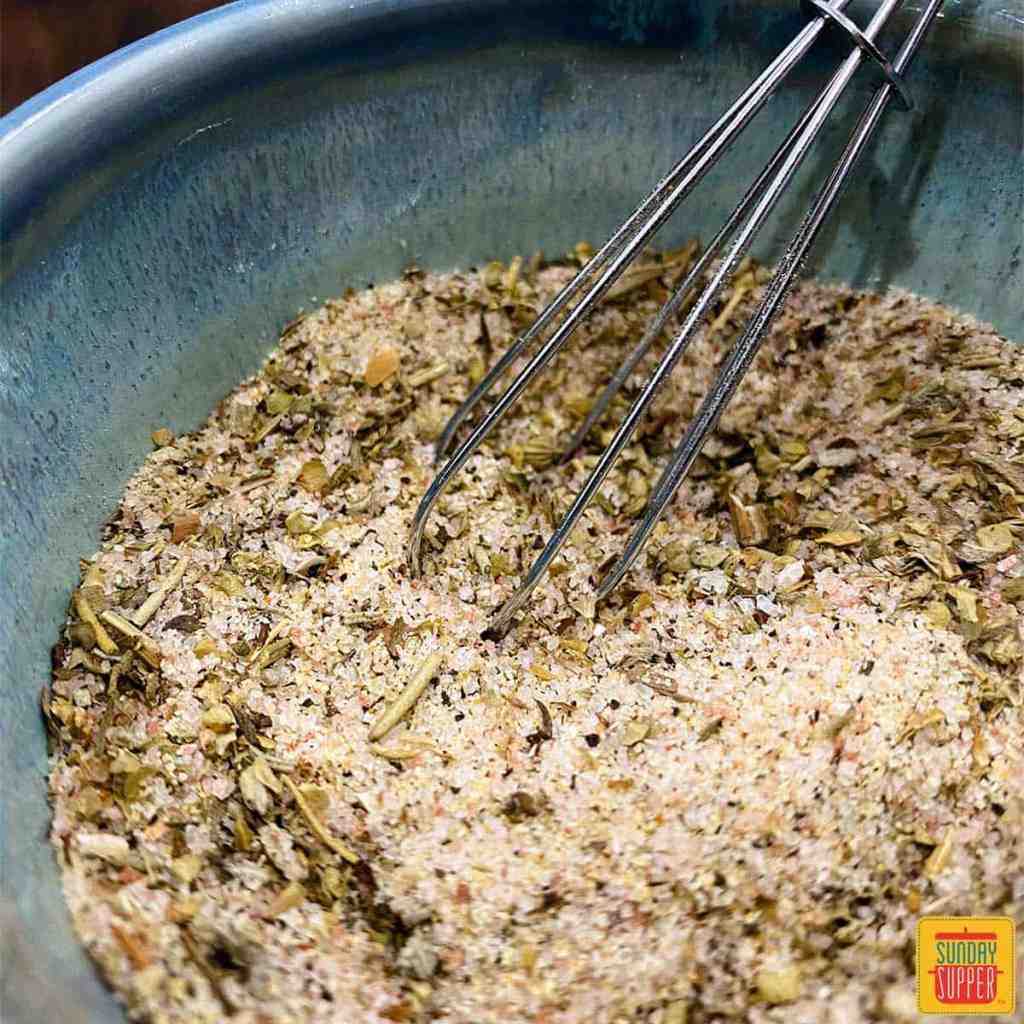
Made with just 4 ingredients. You can use your own homegrown or pick up organic garlic powder and rosemary leaves.
Use rosemary salt for steak, chicken, pork, vegetables, or even french fries and homemade breads. It pairs especially well with potatoes.
I made this garlic recipe with some of the smaller bulbs and rosemary from my garden. It was a big hit. I want to try it in my sourdough!
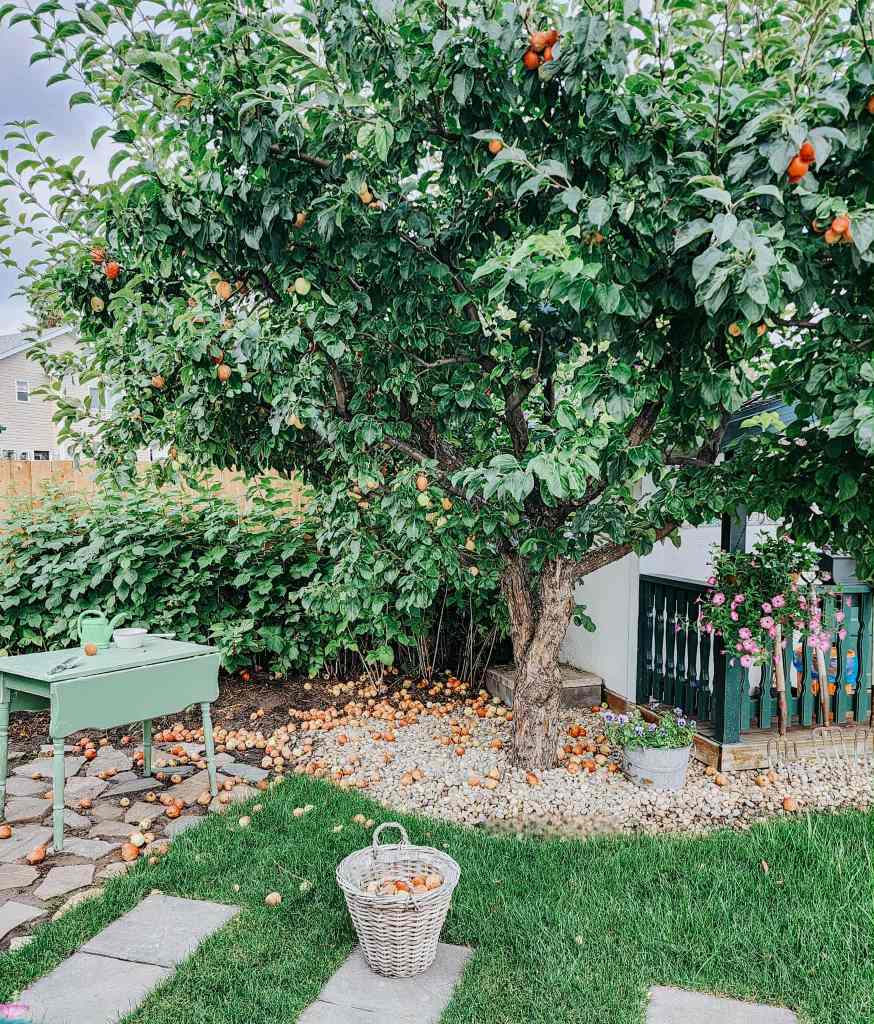
Forcing Branches – When doing your pruning, take in some branches to force for blooms. This can be done with ornamental trees/shrubs like forsythia and most fruit trees. Cherries are especially pretty with their pink flowers.
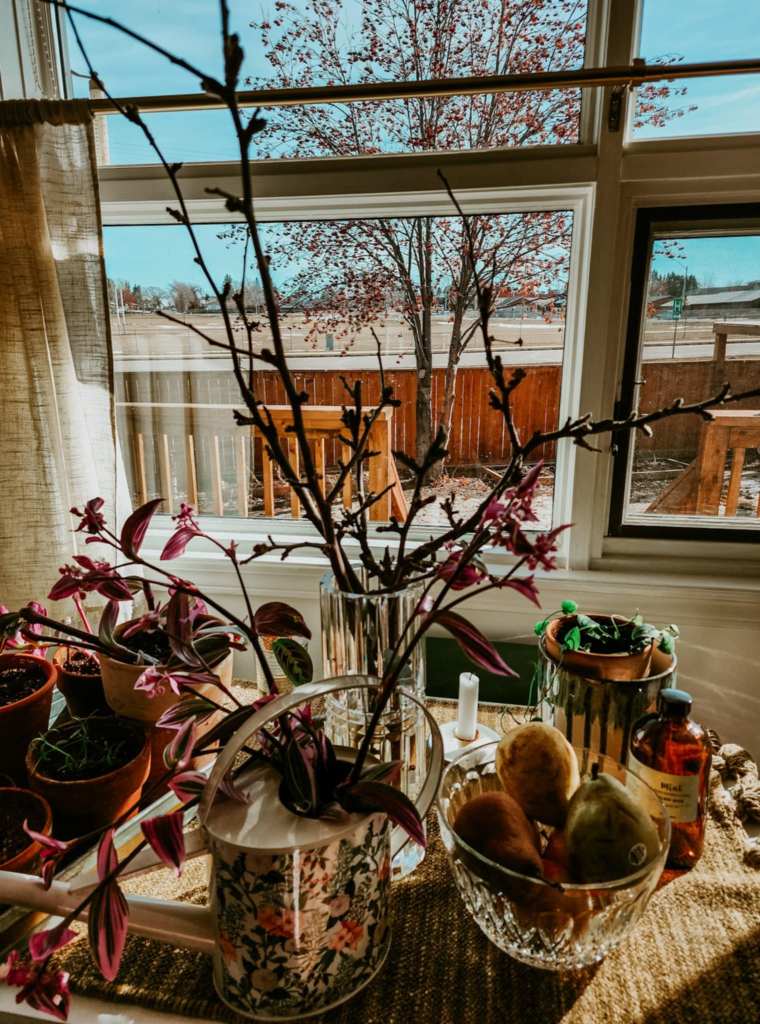
I tend to bring in our apple tree trimmings. I like the branches to be between 2 and three feet tall so they look great in a large vase. Cut an x into the bottom of the branch, or smash it with a hammer, to allow the branch to readily take up more water.
The closer the tree is to blooming, the most successful it will be.
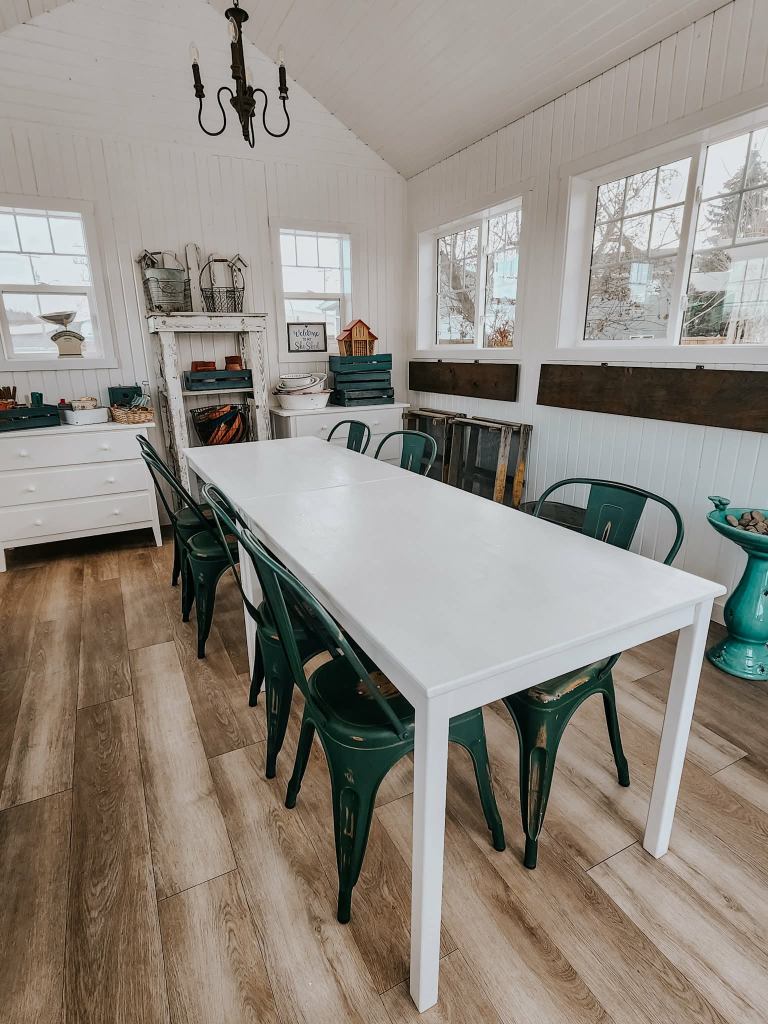
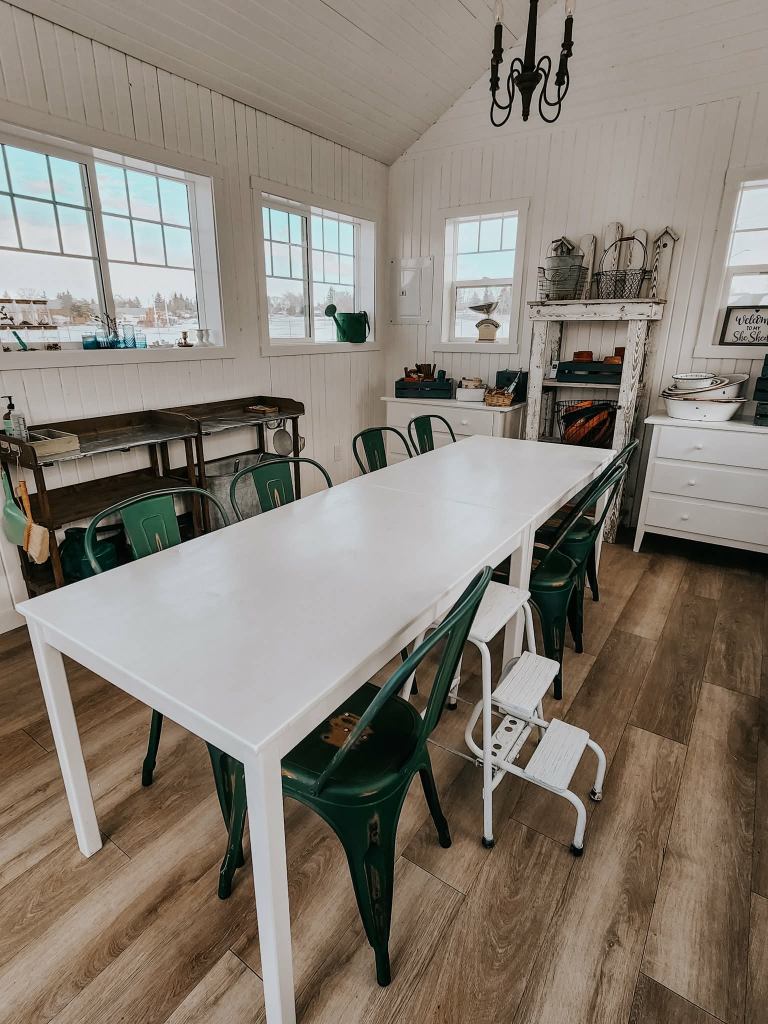
Great News – I have finally begun. The potting shed is clean, tidy, organised, and ready for both planting and holding workshops.
My seed orders have all arrived. I have picked up the soil amendments (see below). I’ve pulled out the seeding trays, heating mats, pots for larger seeds that do not get transplanted (artichokes)…. and I am moving my over-wintered annuals to the potting shed to take cuttings, now that the weather is better.
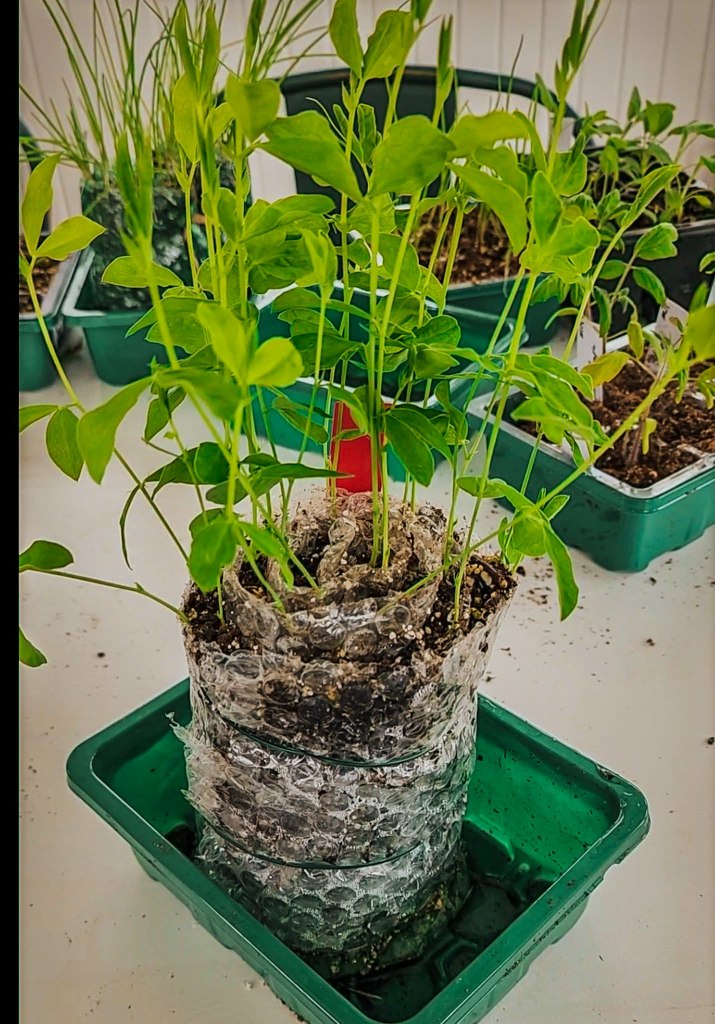
In Person Workshops
Best of all? I am ready for workshops. If you are local, check them out, come join me in taking cuttings for your planters, sowing seeds, or how to grow workshops. Save the messing about for here, plus no shipping to pay for. I have great seed selections for you to choose from. Regarding the times. I have just chosen a few that I think might appeal. If these do not work for you, just message me with times that would work better.
Workshops & Contact – The Marigold Potager – A Zone 3 Prairie Garden
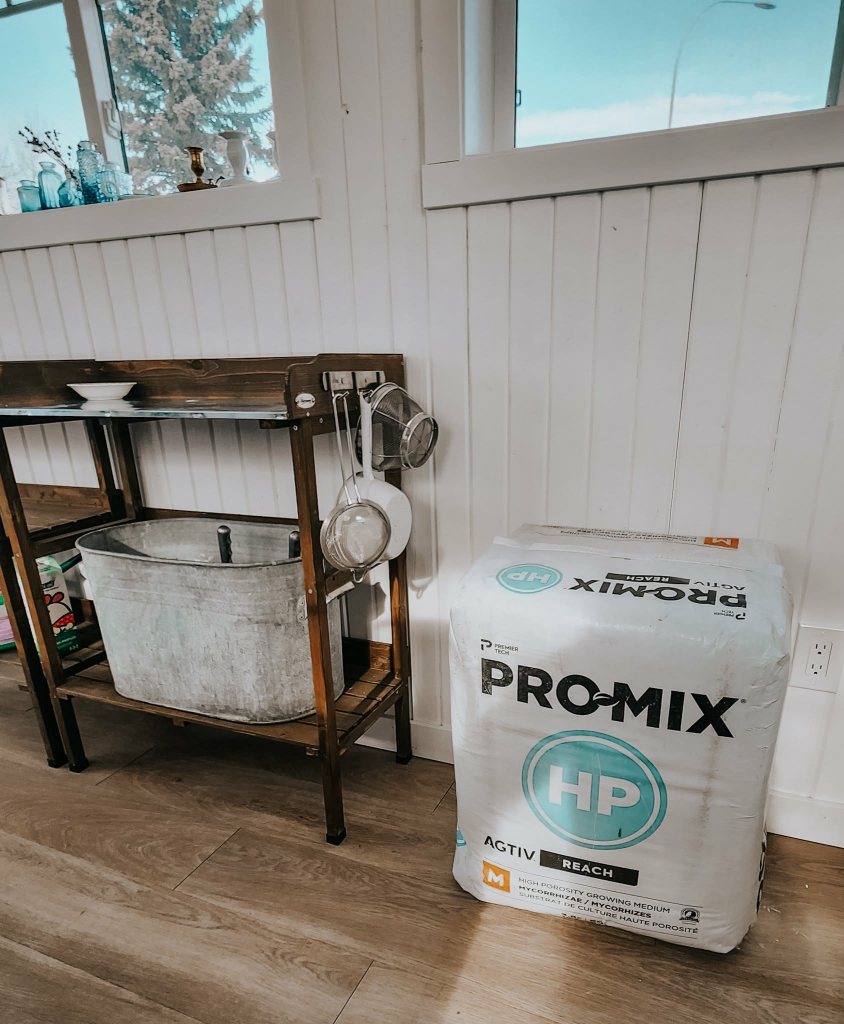
Did you all see the Floret Flower Farm potting soil mix for their seedlings? The recipe is for a full 3.8 cube of potting soil, like you see in the picture above. As I no longer have the acreage and thus no longer have a large space to mix that much soil in one go, I was happy to find an Insta post with a pared down conversion.
The conversion calls for a 16 quart bag of potting soil. Quarts. Sigh, lol. Apparently, that is 64 cups for those of us who are metric and haven’t got a clue. Or, if you can find a 16 litre bag of potting soil, they are almost exactly the same.  Here is the converted recipe for anyone who wants to try it…
- 16 quarts of potting soil
- 3/4 cup of bonemeal
- 3 Tbsp of bloodmeal
- 3 Tbsp of kelp
- 4 to 6 cups of compost
I cannot say whether these amounts are right or wrong, but quite honestly, I am sure it will be close enough. For those of us not on the west coast (which is where Floret is, too), the kelp and manure may be harder to come by. I am using worm castings instead of compost, and might just do 3 cups as it is pretty potent. If you do not want to pick up all these supplies, here are my own tried and true recipes…
- For my seeds and cuttings, I use a blend of 3 scoops potting soil (4 or 5 cups per scoop) to 2 handfuls of worm castings.
- I have been using my ‘secret recipe’ of 5 parts potting soil to 2 parts compost (or bagged manure) for decades. Use when transplanting seedlings, plus in pots, planters, hanging baskets. It works like a charm, great results every year.
- For potted roses, use the above recipe, but add a scoop of composted pine bark to the mix, as well. This recipe also works for potted olive trees and citrus.
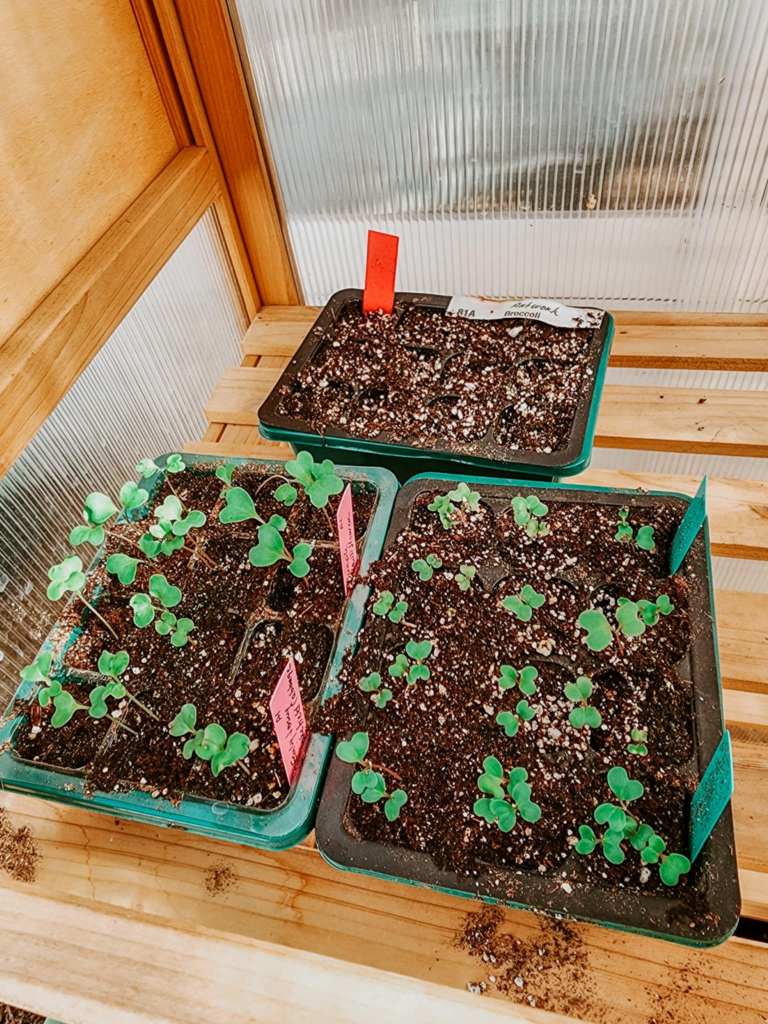
What To Start Now…
I take a break in winter and do not start anything till mid to late February. This year, I am starting seeding today, so on the first day of March. I never want to waste money by heating my potting shed too early, so I wait till we are 9 to 10 weeks from the May long weekend (which is when we tend to do most of our planting).
I know some of you have already started sowing, but if you, like me, have not… not to worry, lots of time to start everything still. March is the perfect time to start.
- Prairie Peeps – Start seeds indoors this week(see the list below), but not your cool season crops yet. We can also direct sow cool season crops in an unheated greenhouse. I love to toss spinach and kale seeds into my garden beds (and in the greenhouse) as soon as the snow melts, for a super early crop.
- West Coasters – Direct sow cool season crops in an unheated greenhouse, a hoophouse, low tunnels, etc… (lettuces, kale, radishes, spring onions, multiplier onions, spinach, etc…) You can also direct sow these cool season crops into the garden this month, if you prefer. Start cool season crops indoors to plant outside in 6-ish weeks (kale, cauli, broccoli, chard….)
We have a full moon on the 3rd. Charles Dowding (the king of no-dig gardening) recommends sowing/starting seeds 2 to 7 days before a full moon, so today is perfect. I am not sure how much truth there is to moon cycles, but I also am always willing to give things a go ; )
Here are the things that you can start this week…
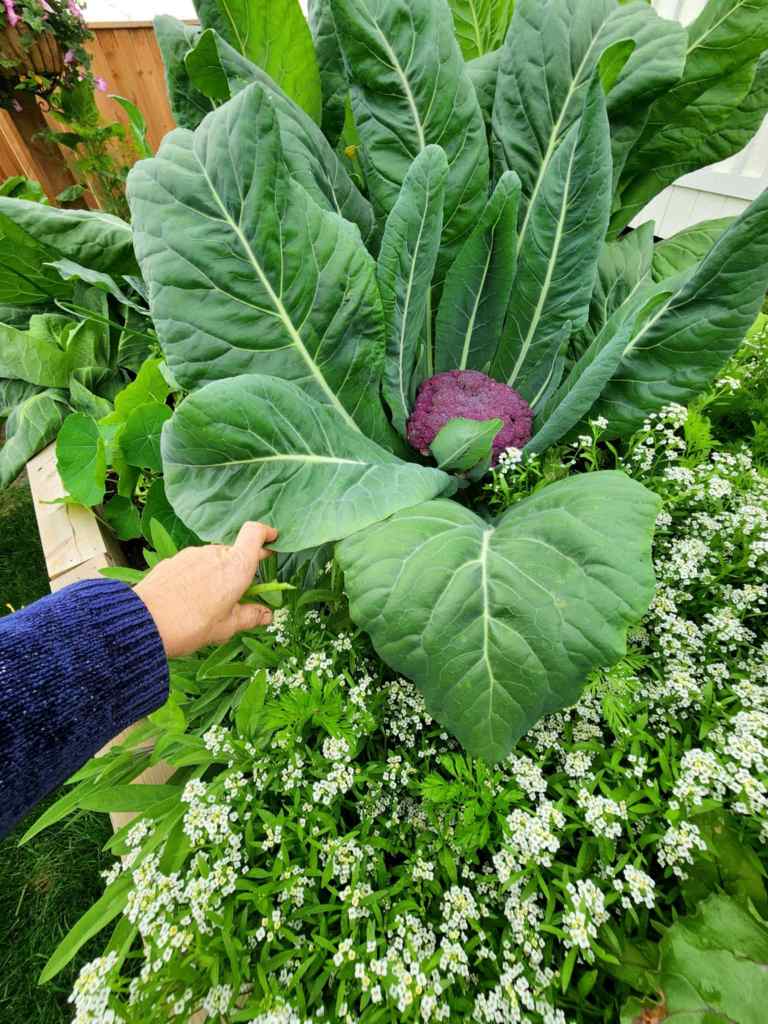
Veggies
- Artichokes – start on heat mat now, put into the cool greenhouse when temps are around zero. Needs a chilling period of less than 10°C for two weeks in order to fruit. For west coasters, you can just plant it out in mid April. For us prairie peeps, we put it out in the greenhouse in late April, early May.
- Luffas take a long time to grow and fruit so start them now, too.
- Cool season crops direct sown into greenhouse beds. Cool season crops like the colder temps, do not mind a light frost, and tend to bolt when the warmer temperatures arrive.
- Broccoli, radishes, cauliflower, spring onions, onions, lettuces, spinach, kale, most all of the Asian greens, chard, leeks, turnips, peas, broad beans, early cabbages, kohlrabi, beets for the tops (they usually do not make great roots if planted in cool soil). Covering with a frost blanket is beneficial.
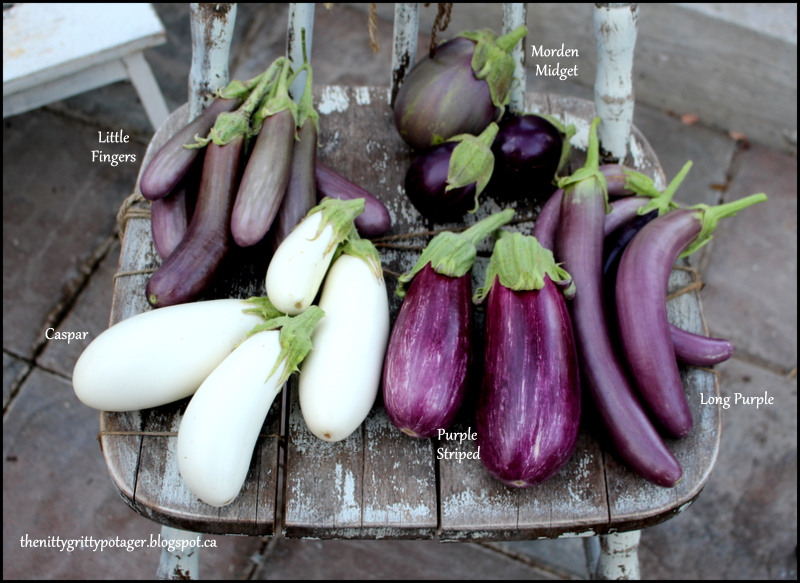
- Start peppers and eggplants indoors, as they are slow growing.
- Start onions indoors to plant out in late spring.
- Start celery/celeriac.
- Do not yet start tomatoes. It is tempting, I know, but it is a titch too early.
*Tip #1 – Did you know that the maturity date that you see on the packaging refers to the time from transplanting, not time of sowing or germinating? If you are direct sowing (cucumbers, squash, flowers) the days till maturity means the number of days from sowing to harvest. If starting indoors, it is the number of days after transplanting outside to harvest.
Herbs
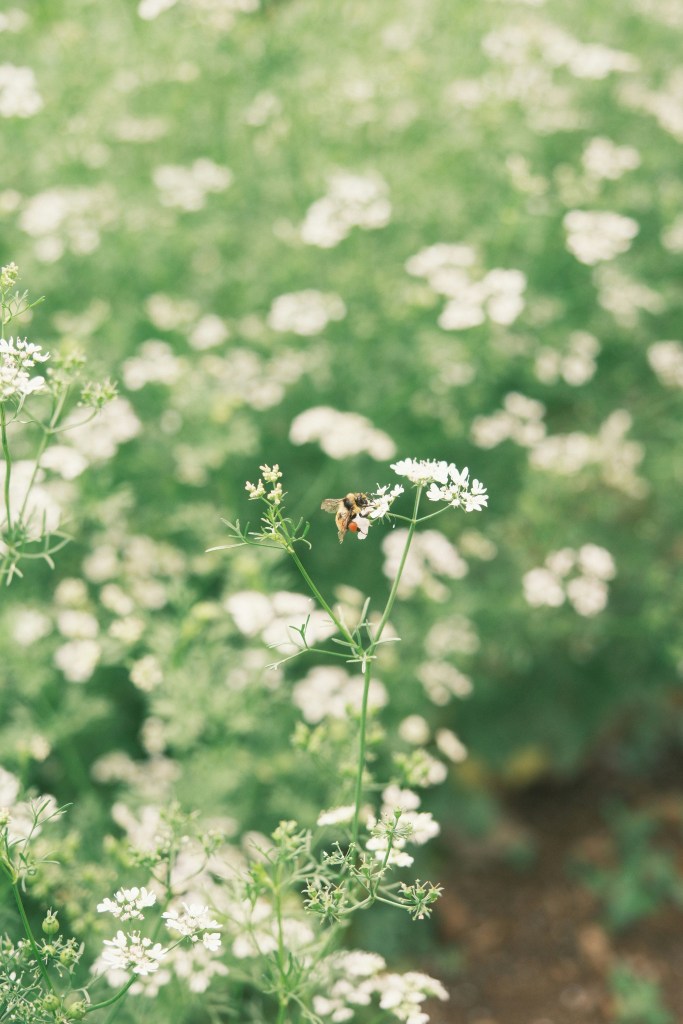
- Cilantro is also a cool season crop. It will bolt, start to flower in the heat of late spring. That is okay though, leave it standing as the bees and pollinators love it!
- Parsley and dill can be direct sown as soon as the beds are workable.
- Start oregano, parsley, thyme, marjoram, chives, rosemary on a heating pad indoors.
Flowers
- Snapdragons
- Yarrow
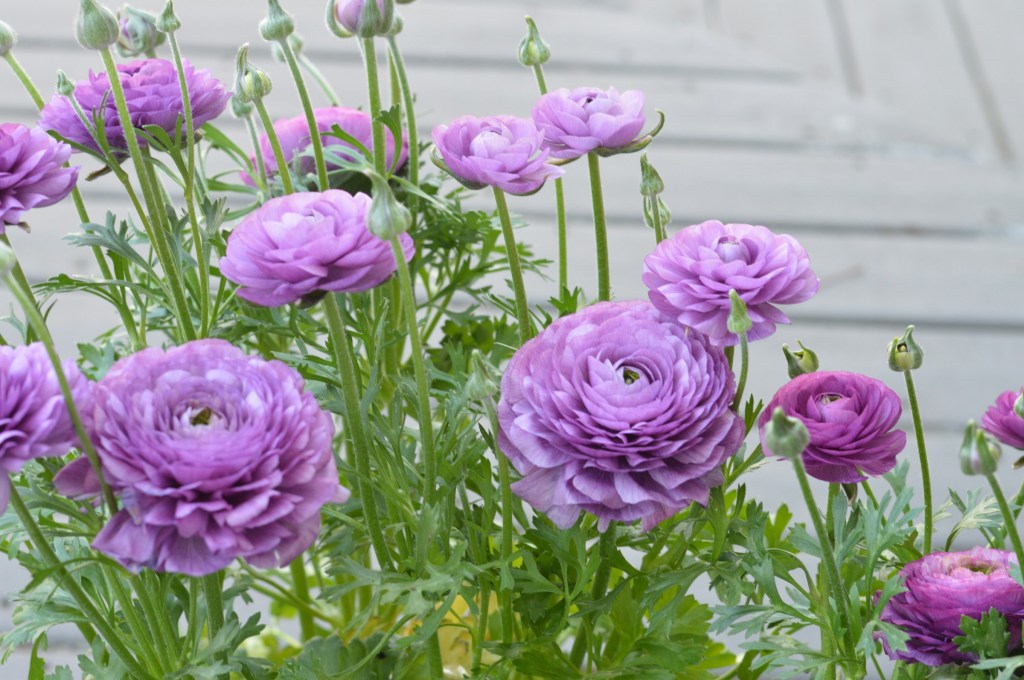
- Ranunculus (see the Sunday Ramblings post for a how to start these guys)
- Anemones (as with the ranuncs)
- Petunias
- Marigolds
- Sweet peas
- Calendula
- Dahlias – from seeds
*Tip #2 – Check out my TikTok at marigoldgardendiaries (marigold garden diaries). I hope to get started on the 2026 gardening tips today : )

 The Marigold Potager - A Zone 3 Prairie Garden
Leave a comment