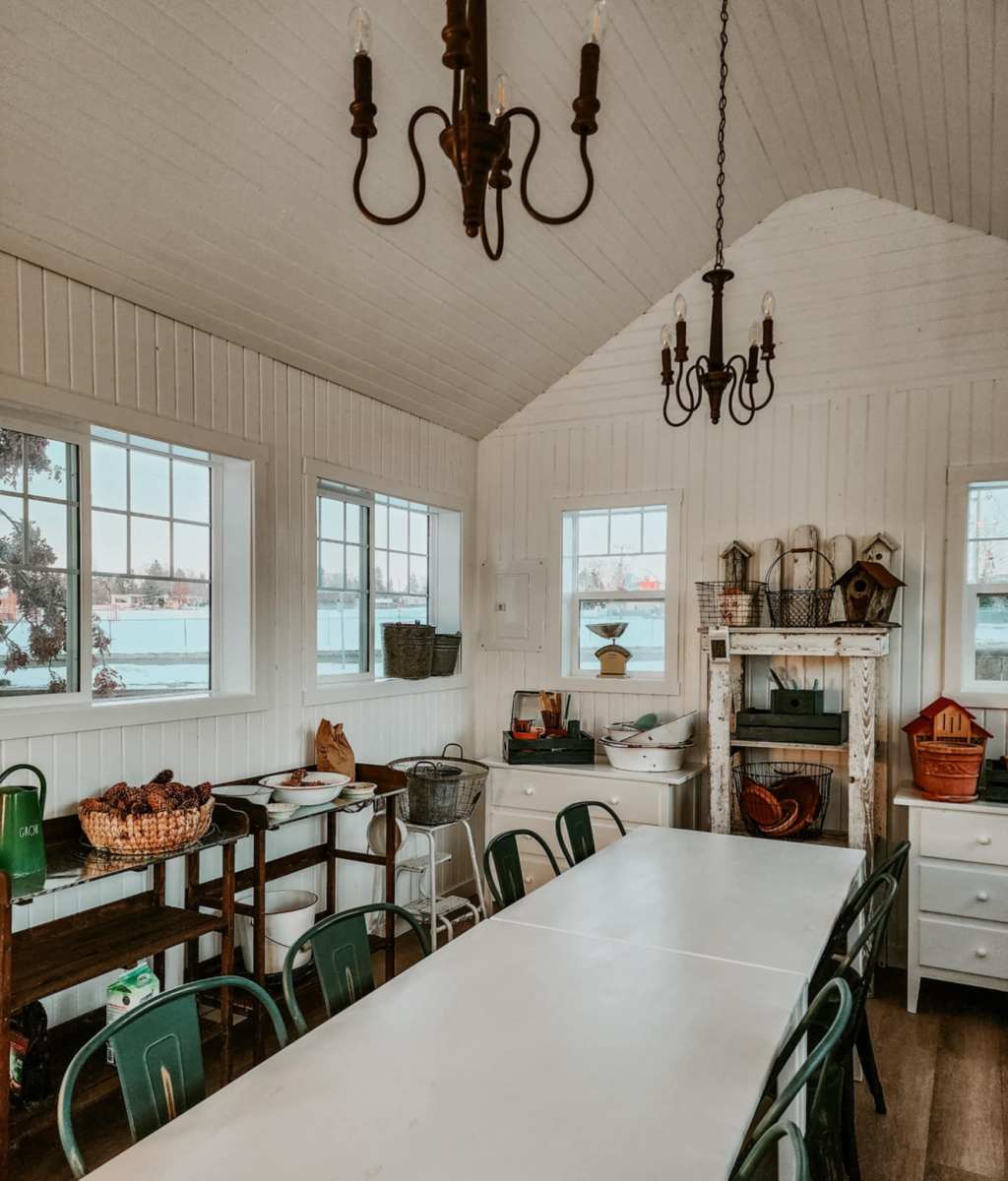
Welcome to the first day of February! My tip of the week is… don’t rush things. Starting too early often leads to overgrown plants, lanky, unhappy plants that do not transplant well.
This week is great for making plans and putting ideas down in your journal. Psst, I am still seed shopping, too.
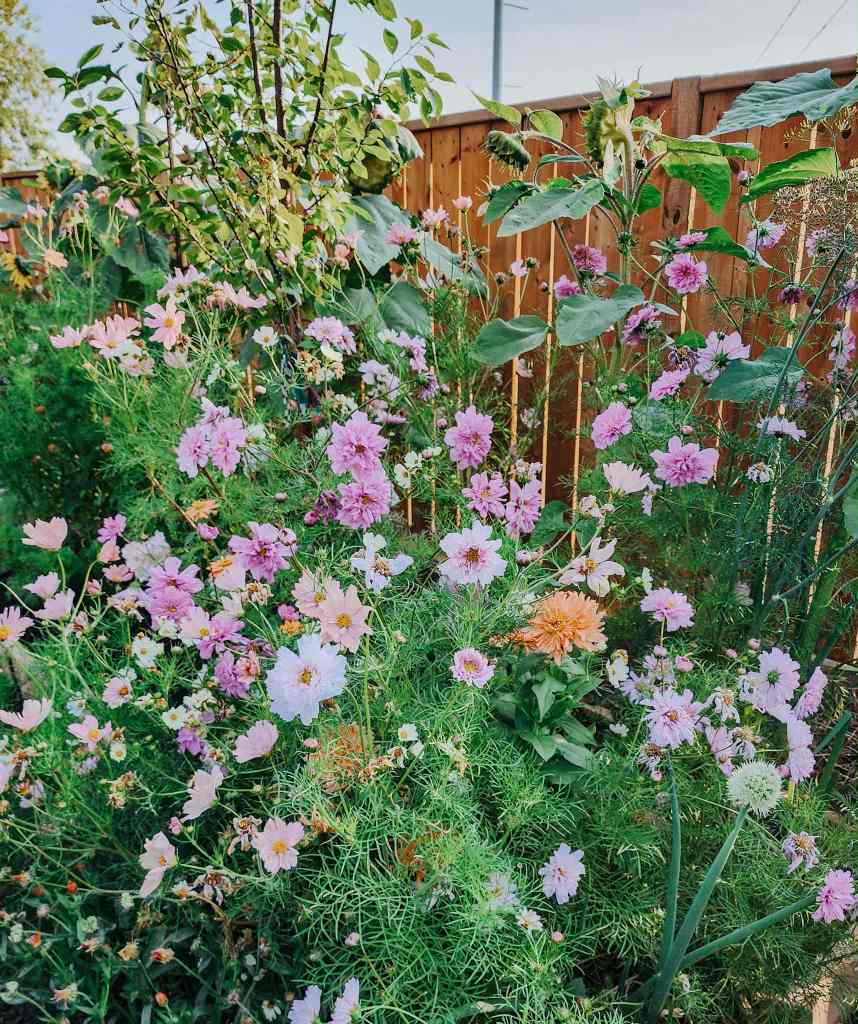
- I like to pick a colour scheme for my flowers. Thinking pale pastels and lots of white this year. No dark pinks or purples. Maybe a bit of orange for that surprise pop of colour that draws your eye to the garden.
- For veggies, I make more determined plans. What are we canning? What are we eating fresh? How many rows of beets and carrots do I need?
- How many tomato plants do I need for sauces and salsas this year? How many for fresh eating?
- Finding the cucumbers I want is always the hardest. I’m pretty particular about them. The past few years, I have been growing long English and gherkins so we have some for fresh eating, salads, sandwiches, and some for making into ‘quickles’ (quick pickles).
- I like a mix of leaf lettuces and heading types that I usually pick when they are still small. Pick the leaves, not the roots, so they keep producing all summer long.
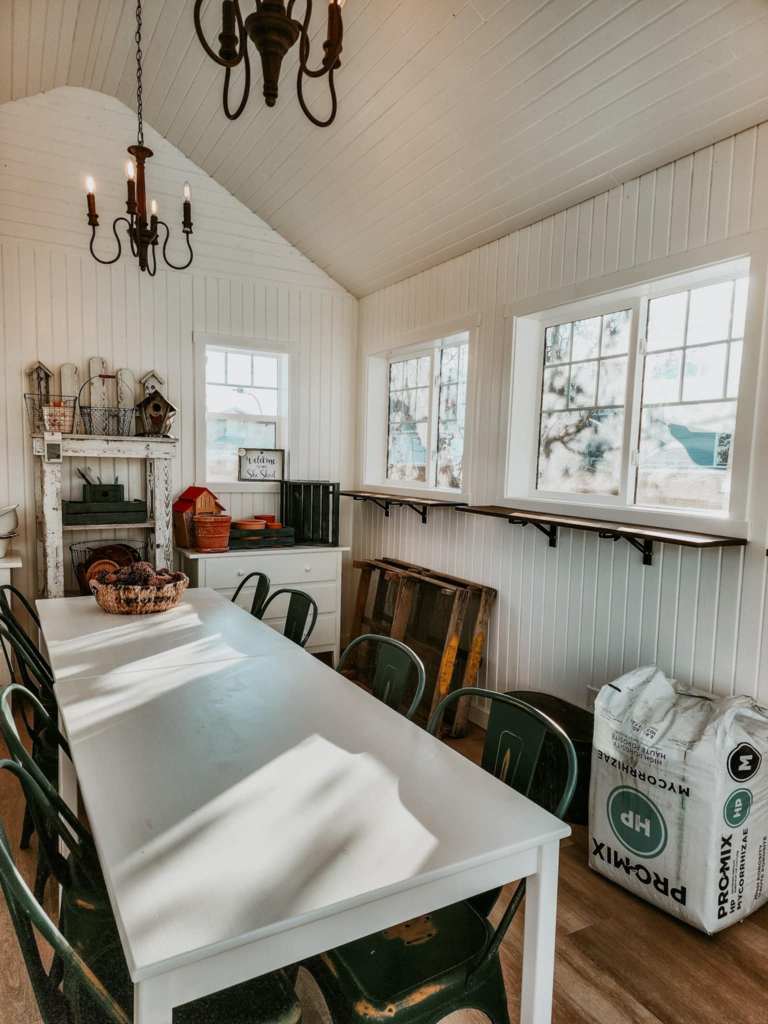
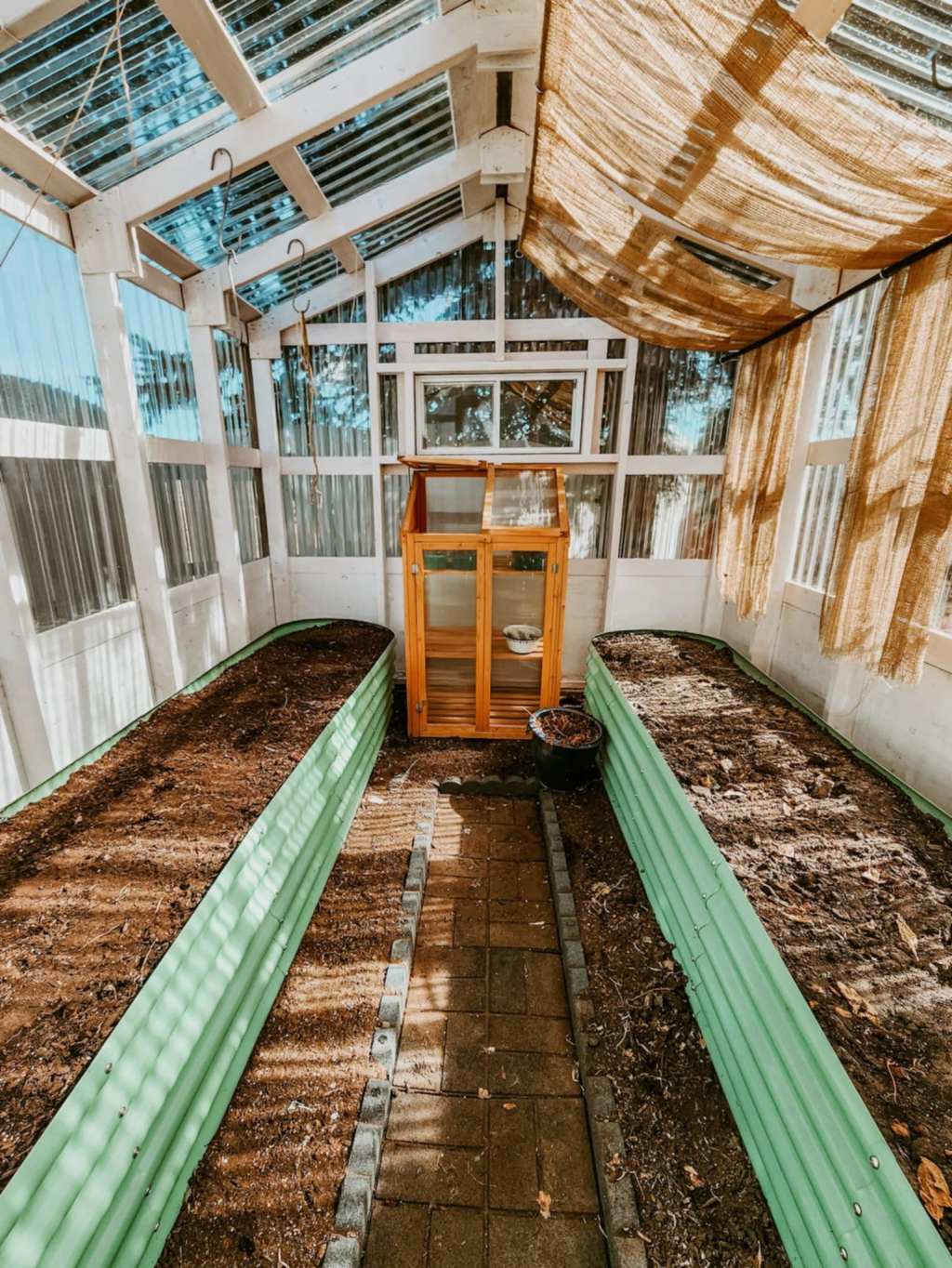
This is the week that I start getting my potting shed ready for sowing. If you have a heated greenhouse, you may be starting your seeds in there rather than a potting shed.
- Clean out cobwebs, dust, wash the floor. Make sure windows are clean (at least on the inside) to let in as much unfiltered light as possible.
- If you did not pick up potting soil in the fall, source some out and bring into your heated space to thaw out/warm up.
- Find your seeding trays, heating mats, plant labels, markers, or order/buy more. Get them all set up.
- Finish your seed orders or pop by a greenhouse to pick up seeds.
- Make a list of what you are going to start each week. Here are some ideas of what can be started this month. (I will not be starting these for another week or two yet)
Vegetables
Herbs
Flowers
- Artichokes
- Brussels Sprouts
- Celery
- Eggplants
- Leeks
- Peppers
- Luffa Gourds
- Onions (seeds)
- Shallots
- Strawberries
- Agastache
- Chives
- Lavender
- Oregano
- Parsley
- Sage
- Thyme
- Asters
- Coleus
- Delphiniums
- Dianthus
- Digitalis
- Gaillardia
- Icelandic Poppies
- Impatiens
- Lisianthus
- Pansies
- Petunias
- Snapdragons
- Stocks
- Verbena
- Violas
- Yarrow
Tips for starting these VEGETABLES from seed…
- Start large seeds (like artichokes) in a 3 or 4 inch pot as they grow into large plants quickly, do not need transplanting. I always sow 2 seeds per pot. If both seeds germinate, I let them grow up together and will plant them together, too.
- Do not start too much celery, hahaha, unless you are a juicer. I find three plants are more than enough for our family for fresh eating in salads, canning, and cooking.
- When your onion and leek tops are 6 inches tall, trim them down to an inch high to promote root growth and bulbing. You will do this several times before they get planted out in the garden.
- Start the luffas in cells and transplant into a larger 4 or 6 inch pot once they start vining. Put a stick in the pot to tie them to. They will be a couple feet tall by the time you put them out into the garden.
Tips for starting these HERBS from seed
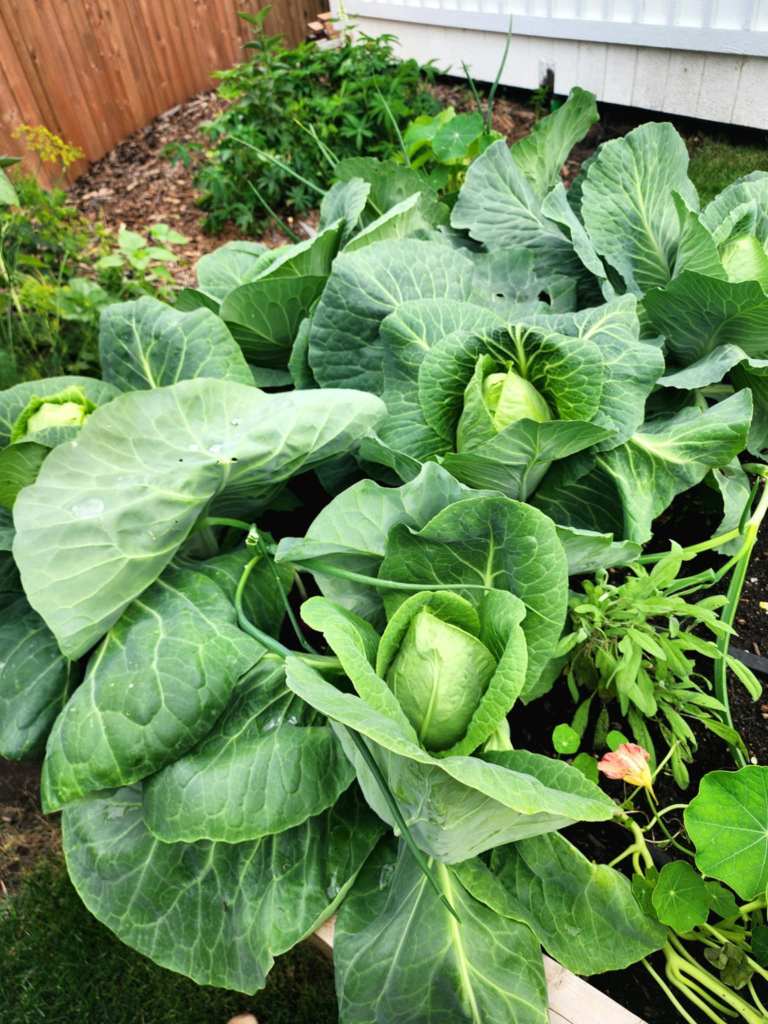
- Sage is an easy herb to start from seed and is said to be a great companion for your brassicas (cabbage, brussels, broccoli, cauliflower) to help repel aphids and caterpillars.
- For those of us on the prairies, where herbs do not perennialize, grow more plants than you think you need, if you want to dry them for cooking in winter. Once it has dried and gone through the grinder, each plant only gives you a couple tablespoons.
- Lavender from seed – Sprinkle a few seeds in each cell on top of the soil surface. Gently press the seeds into the top of the soil and mist with a spray bottle. Place the seeded lavender in your freezer for 7-10 days. Remove and place under grow lights or a bright window.
- Thyme takes a long time to germinate so start now!
Tips for starting these FLOWERS from seed…
- Asters can be very prone to damping off and fungal diseases so take the humidity dome off as soon as you see germination, ensure good air flow with a fan.
- When starting rudbeckia seeds indoors, sow the seeds on the surface of the soil just barely covered. The seeds are very fine but will germinate quickly if not sow’d too deep.
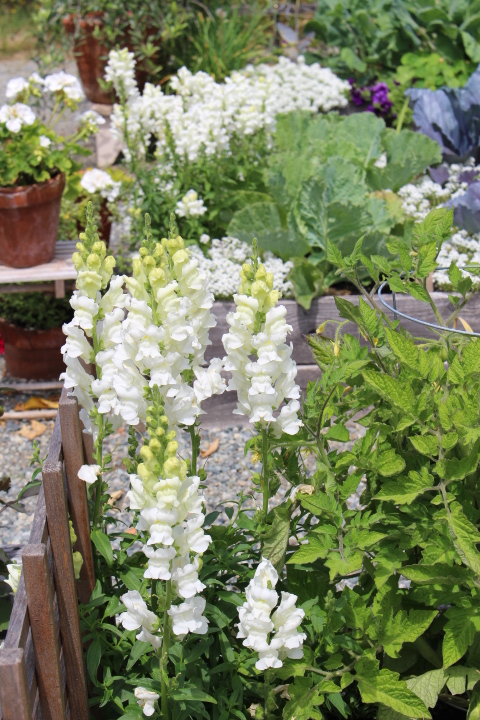
- Snapdragons – Last spring, I learned from a Zone 4 TikTok flower grower that I follow (@upnorthflowers) that Snaps come in 4 different flowering groups. Flowering according to different day lengths, light intensity, and temperatures. Huh! Here is a link to read up on that if it interests you.
- Snapdragons– Group 3/4 are a main season crop (unless you are a flower farmer, these are the ones that you will want) Potomac, Rocket, Madame Butterfly. Sow seeds on the surface of the soil barely covered.
- Yarrow – Germination can be slow with yarrow, so be patient!
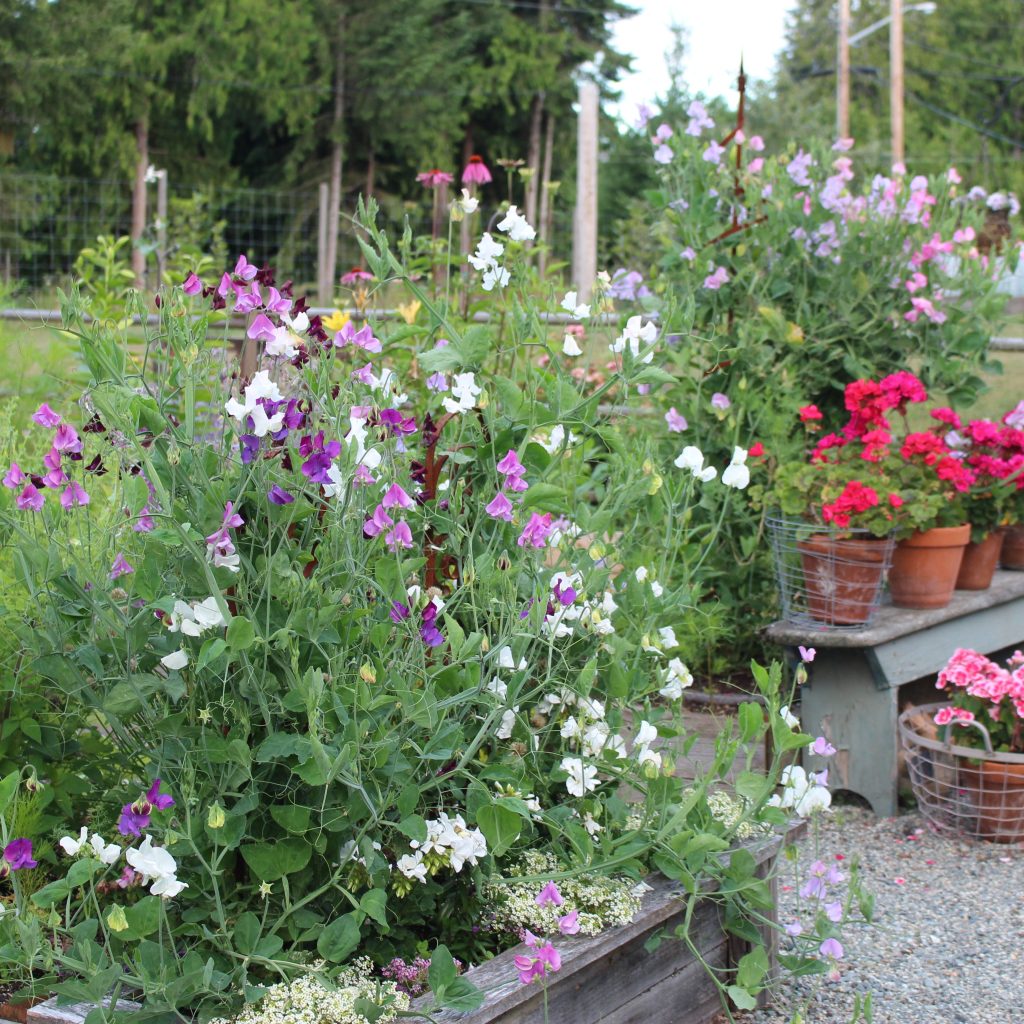
Sweet Peas – for west coasters in zones 6, 7, 8, you will be able to direct sow sweet peas right into the garden this month. I would always direct sow in either the fall or late winter when I lived on the coast.
That said... here is what I noticed last year. I direct sowed some sweet peas into the garden in early spring (they don’t mind the cold) and started some in seed snails indoors at the same time. The seed snail sweet peas were planted out in May. They were the same varieties from the same packages. I mixed a couple packets of seeds together.
- Early in the gardening season, they grew at the same pace, stayed about the same height all through the summer.
- But… the seed snail sweet peas started flowering three weeks earlier than the direct sown.
- They flowered more profusely the entire season. The direct sown sweet peas were just as tall but had less flowers.
Fluke? They were the exact same seeds, so it seems very odd that they would not be exactly the same. Maybe do your own trial, in your own garden? If you do, I would love to hear how yours made out.
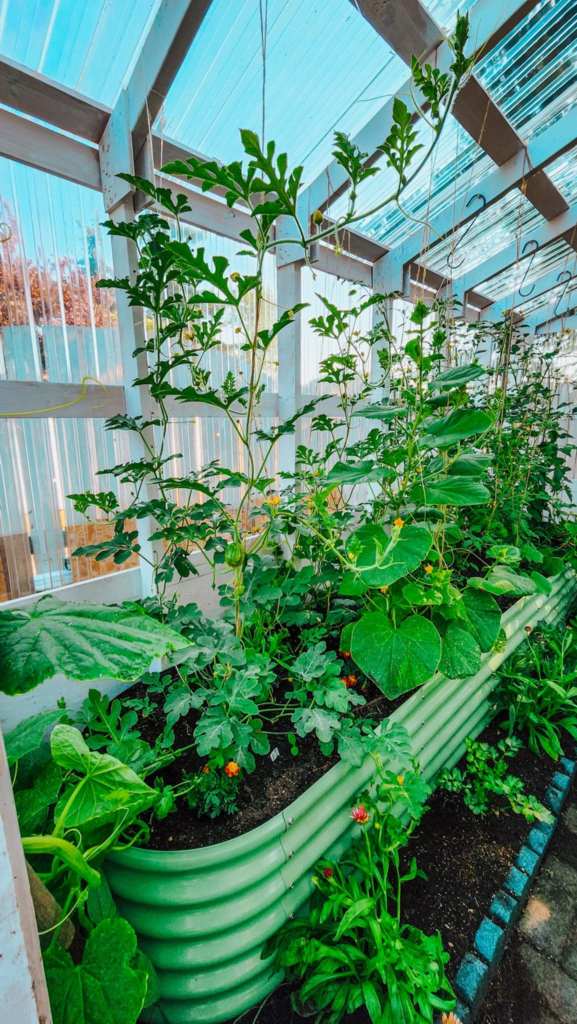


 The Marigold Potager - A Zone 3 Prairie Garden
Leave a comment