
Luckily, as the month of December is so busy with all the holiday preparations, festivities, and such, there is very little to do in the garden. Less for those of us on the prairies.
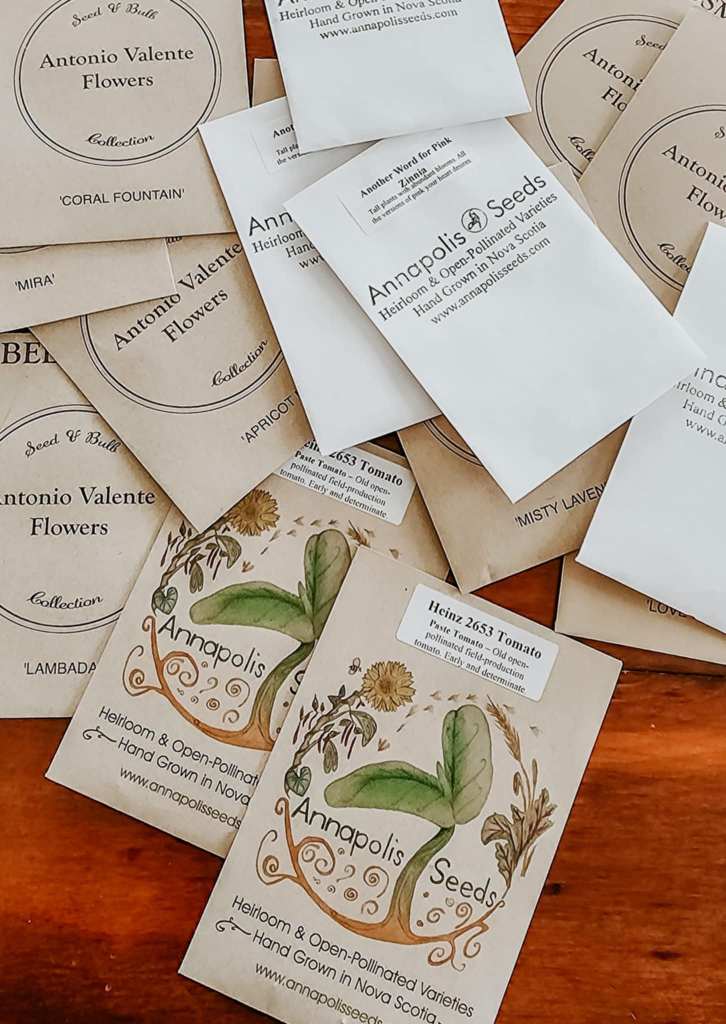
I was chatting with a friend last night about seed companies as she was onion seed shopping. By the time all was said and done, we were both super excited about seed shopping and next year’s gardens.
I do not start seed shopping until after Christmas, so anywhere from the 26th on. Too busy with holiday prep, but I am raring to go after that convo ; )
We are both going to stick to Canadian seed companies, once again. Luckily, I found some really great suppliers last year, was super happy with their seeds and how they grew. Had fabulous carrots, the very earliest and best cabbages I have ever grown, superb beets, lettuces, peppers, cucumbers, etc… a swack of tomatoes to eat fresh and for canning!
Here is the link to those fab Canadian seed companies.. My Top Ten Canadian Vegetable Seed Companies
Also…. Windfall Flowers has released their pretty zinnias in time for Christmas shopping. They are only $4.95 for shipping, free if you order over $75. They have super pretty colour combos that rival Floret, but are a Canadian company : )
Also, this reminder about Snapdragon group numbers… picking the right group helps you choose the right ones for when you want them to bloom.
And lastly, these gifts for gardeners from Circle Farms, a Canadian seed company. Such great ideas. I have no crazy avid gardener friends so would just be buying for myself ; )
What to do now…

If you are on the west coast, you can still be…
- Weeding, if need be.
- Mulching.
- Top dressing with compost, at least 2 cm.
- Sowing your carrots!
- Sowing parsnips, leeks, brussels, kale, broccoli, and broad beans.
- Sowing spinach, greens, lettuces, under row covers/unheated greenhouses.
- Planting spring flowering bulbs.
And, most importantly, harvesting goodies from your garden. Kale, carrots, parsnips, brussels, and spinach and celery if you’ve not had a hard frost yet that did them in (if you did, not to worry, they will both be back in Feb or Mar).
Here on the prairies, however, we have snow and cold. No outdoor gardening for us.
- Seed shopping. See the notes above for Canadian seed companies and ideas.
- Starting paperwhites, amaryllis, and hyacinths for winter blooms.
Regardless of your garden zone….
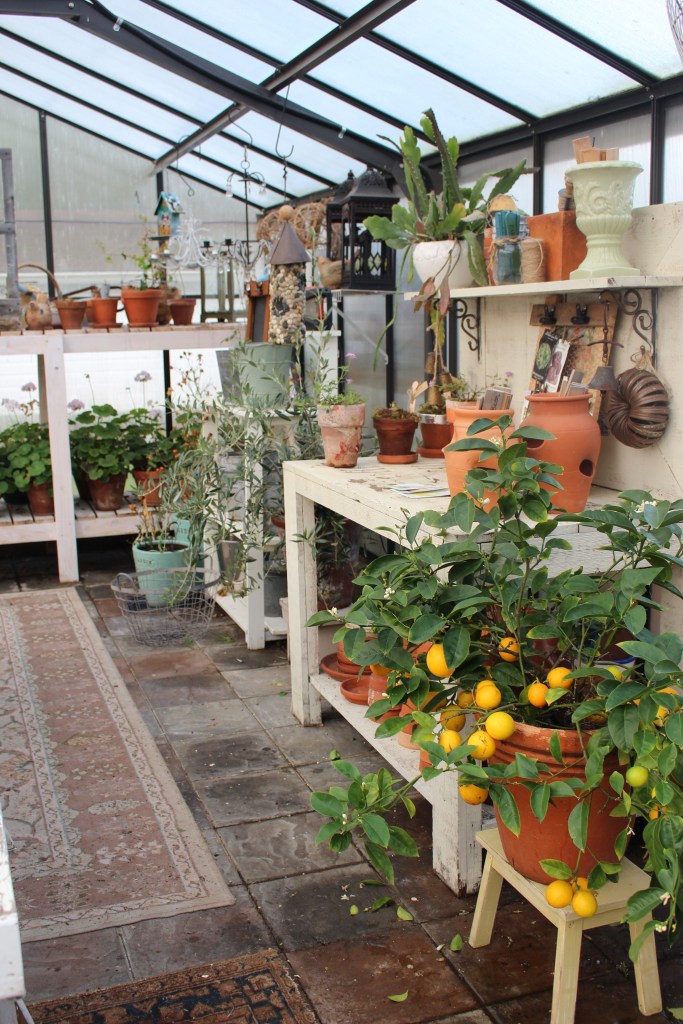
1.Check on your plants in winter storage. Give them a drop of water, if needed.
In a zone 3, for me now, they are in my cold room so I just give my canna and clematis a wee bit of water, if needed. Not too wet or they will get root rot.
Plants prefer to be kept on the dry side, quite dry, in winter, as they are not actively growing so not using any/much water.
On my zone 7 acreage, I would be have been checking on the plants in the unheated hoophouse and watering them on a warm and sunny day, if they have gone dry. I would also be checking on my citrus/geraniums/rosemary/tender perennials in the heated greenhouse (5 to 7 degrees) and watering them, if needed. Keep them on the dry side.
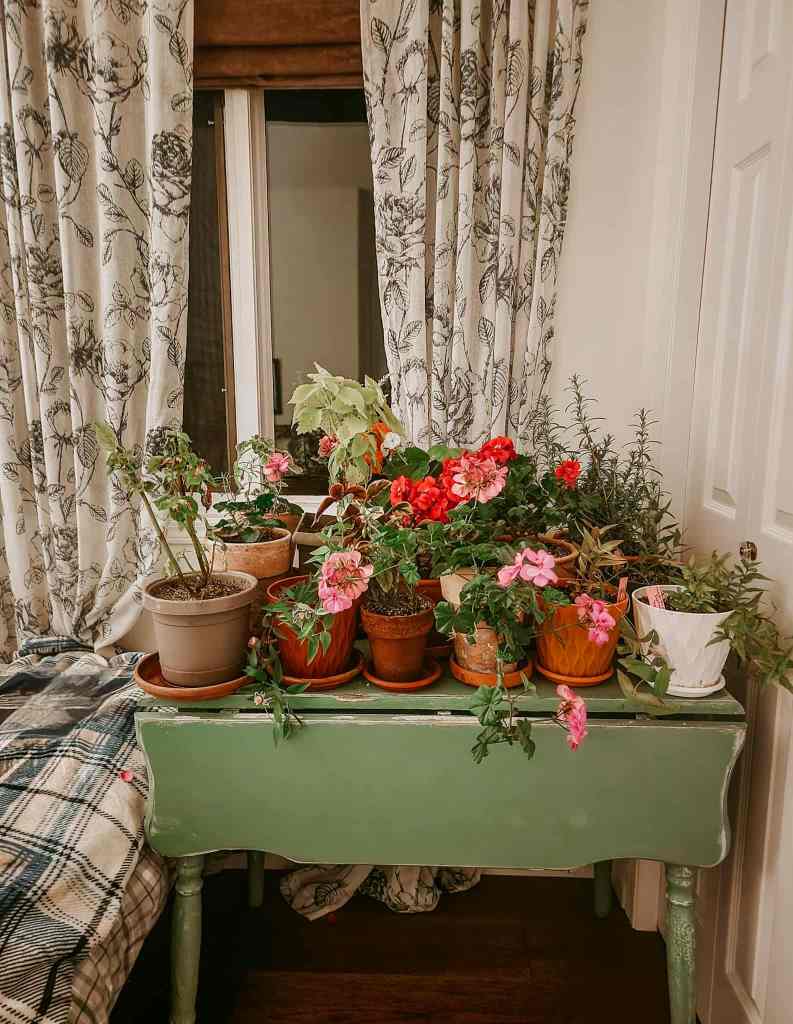
2. Taking care of your annuals and tender perennials till spring. Keep them on the dry side.
Deadhead, as needed, and remove any yellowing leaves as they occur. It is completely normal, at this time of year, for them to lose leaves or leaves to turn yellow.
For now, you are just helping to keep them kind of dormant. Do not feed, do not overwater. (I am watering mine twice a month – they are in a bright south facing window). The plants will begin to grow again in February, as days get longer. That is when you start feeding, watering a bit more often, taking cuttings to start your flowers for the summer garden.
The same applies to house plants. No feeding till February. Water sparingly, as needed.
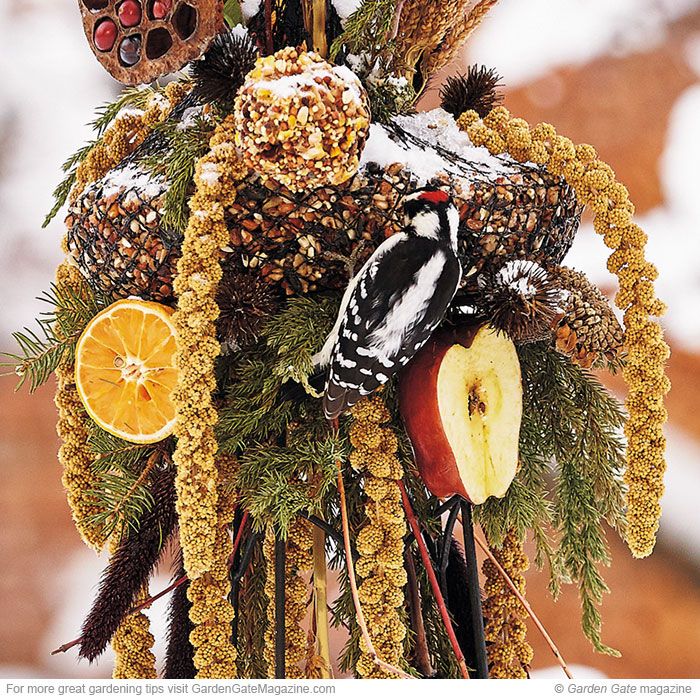
3. Feed the birds and wildlife. Make suet balls or wreaths. Fill your feeders with a good quality birdseed. Put out peanuts for the jay and magpies.
I put out two feeders this year. One in the back with peanuts and suet for the flickers, sapsuckers, jays, and magpies. One in front for the little birds. I used to be afraid to put out feeders but then realised that my cat is not going outside to stalk the little birdies in winter, so I can safely offer them food : )
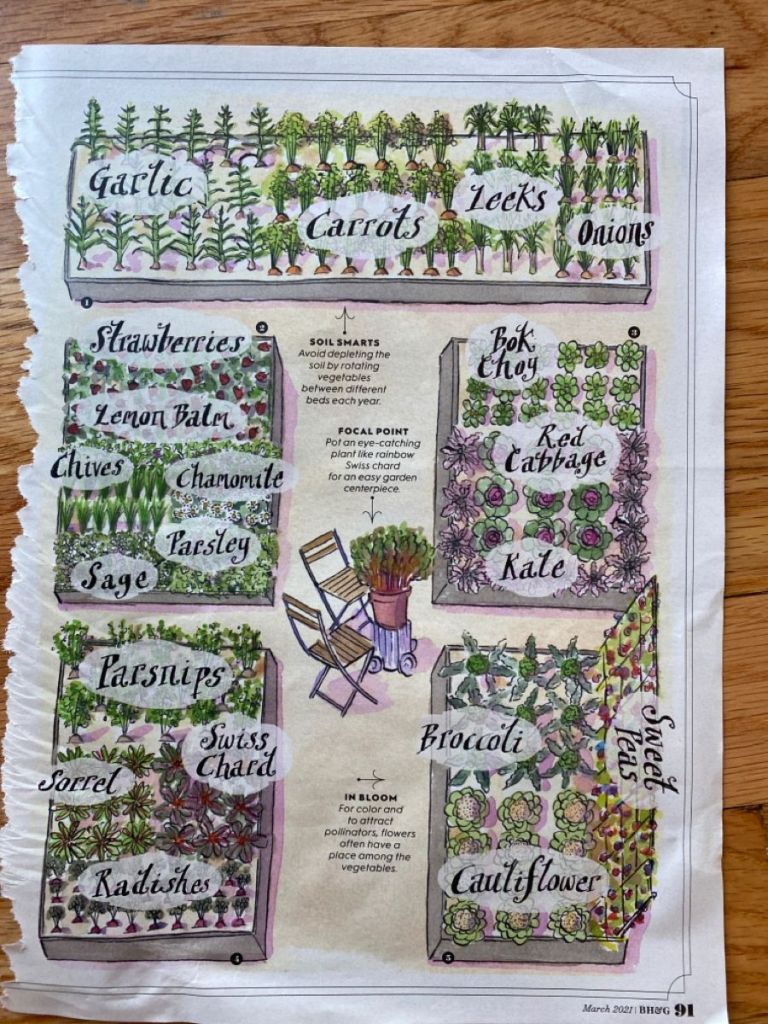
3. Planning next year’s garden. If you like to make a colour scheme, as I do, or make a planting plan, or a list of new perennials/trees/shrubs to add to the yardscape…. I love to putter with my ideas all the way till spring, when it is actual planting time.
That’s it. Enjoy poking through seed catalogues as they roll in, planning your veggie garden for next year, your colour scheme. Read gardening books and magazines. Dream about warmer days, plan events to hold in your garden with friends, neighbours, and family.
- I will be growing more squash next summer. They keep well, are super healthy for you, low reactive, low calorie, and they are expensive to buy in winter!
- Lots of cukes and zukes.
- Always on the fence about how many tomatoes to grow. Will decide in spring ; )
- Carrots, beets, radishes, and onions, for sure.
- Cabbages, I think. They grew so well this past summer! Best cabbages ever.
- A lot more herbs than I have been growing lately, ever since we moved here to the prairies. I was saddened by the fact that most of the ones I want are not perennial, as they were for me on the west coast. However, I miss them, so will bring some pots indoors and just grow more to dry for use in the kitchen.
- Eggplants in pots on the patio this year, as they always get aphids in the greenhouse.
- Peppers love it in the greenhouse.
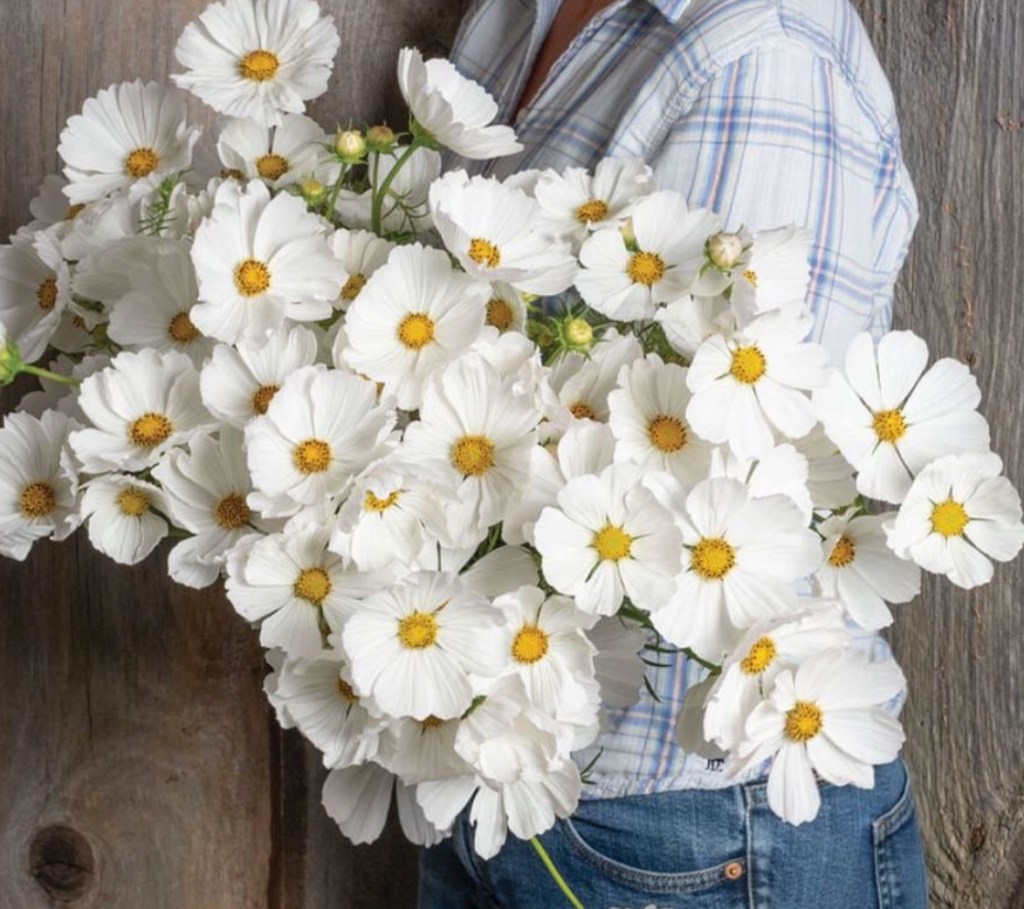
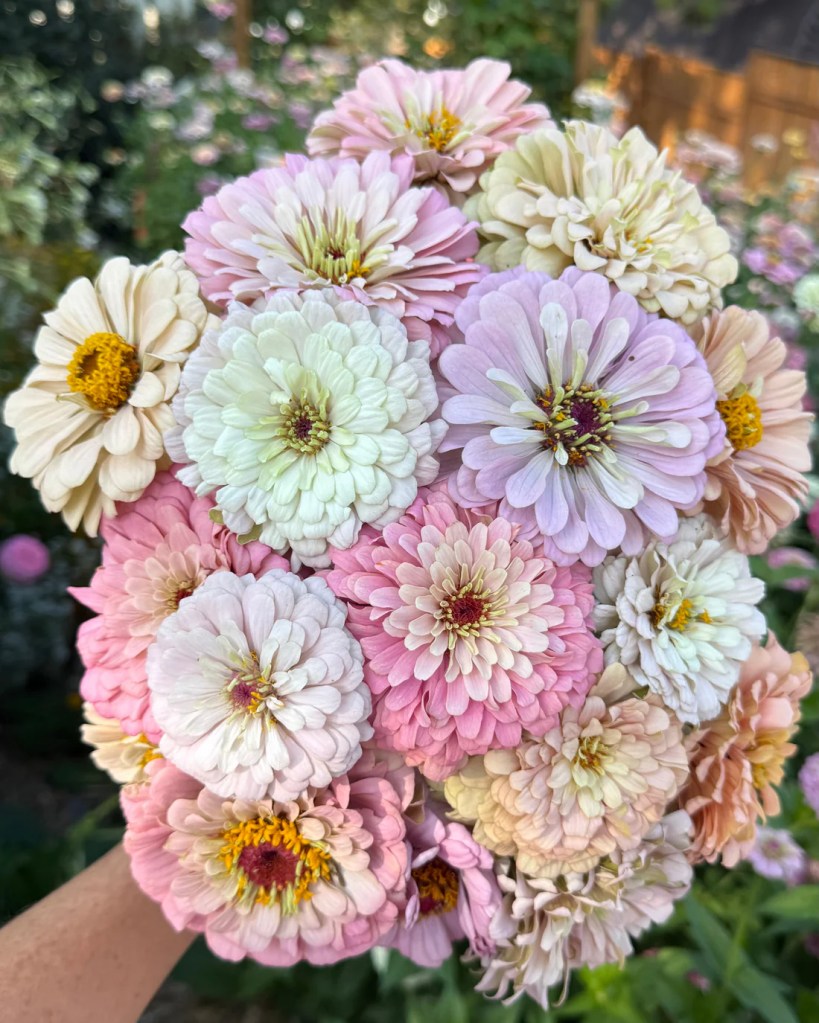
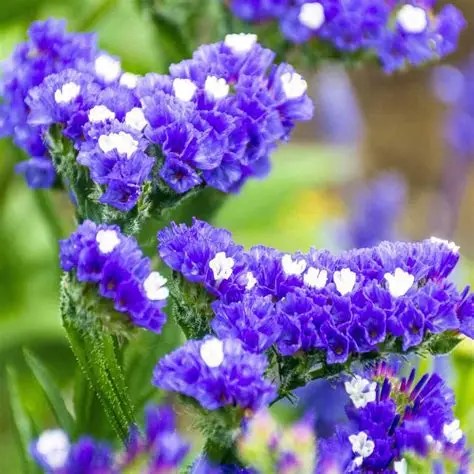
My colour scheme for pots, planters, hanging baskets, and other annual flowers, is going to be heavy on white, but am still deciding whether to go with pastels hues or brighter cool colours as an accent.
Currently thinking the pastel hues (top row) with pastel zinnias, cosmos, and dahlias, lots and lots of white, with hits of a bright blue here and there to zing things up, as opposed to the more colourful scheme below.
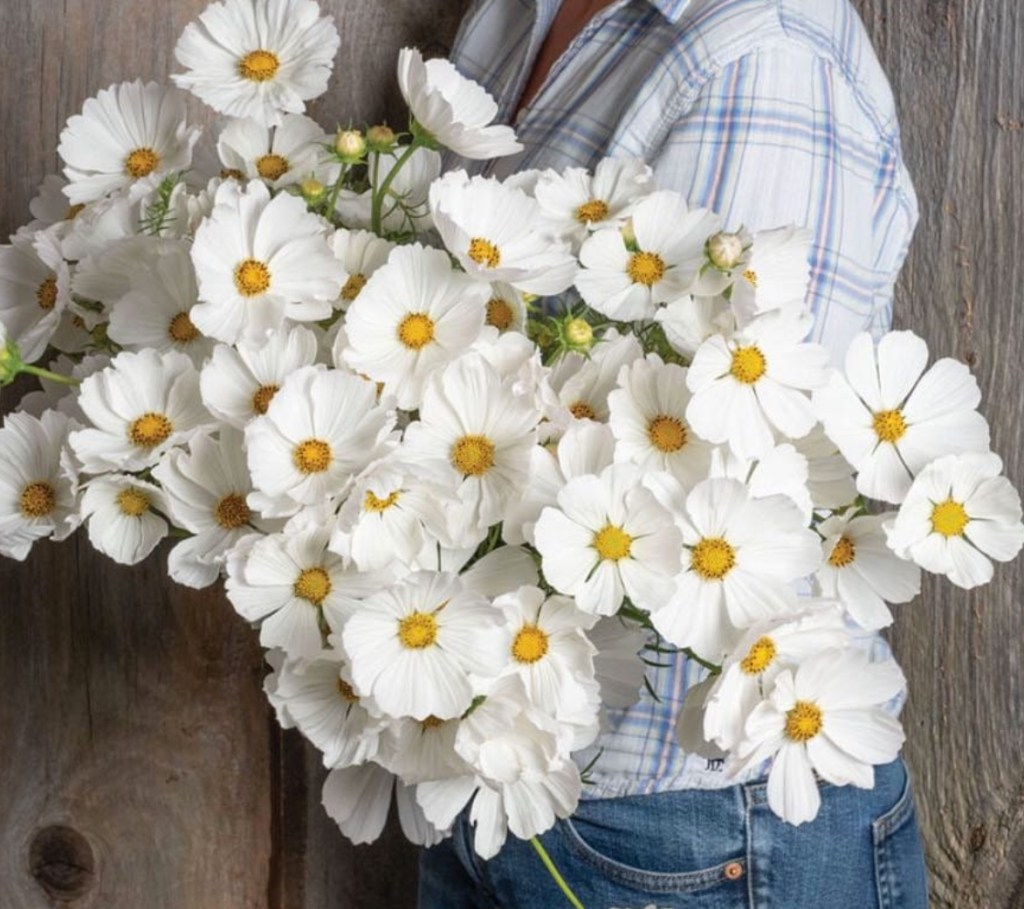
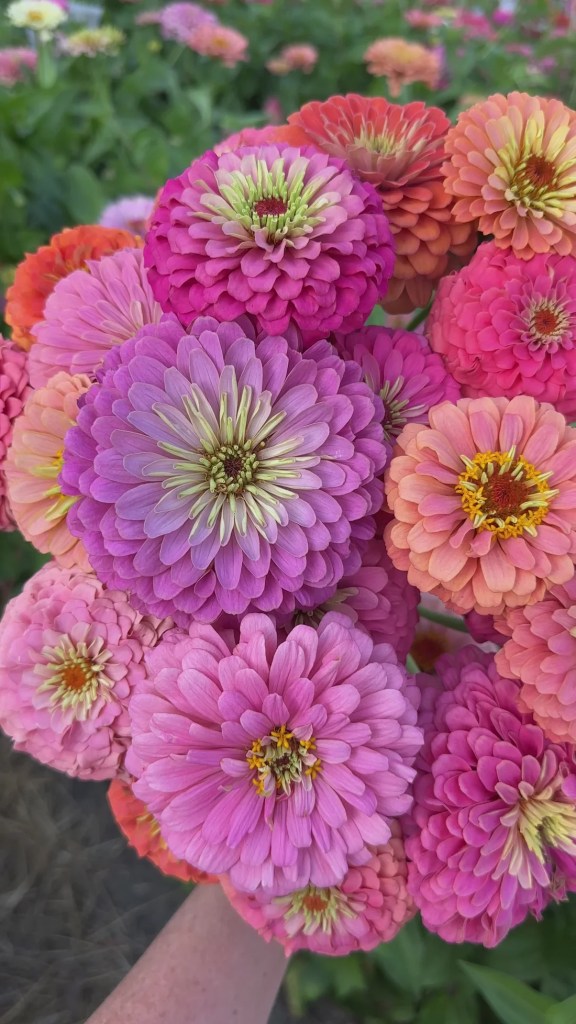
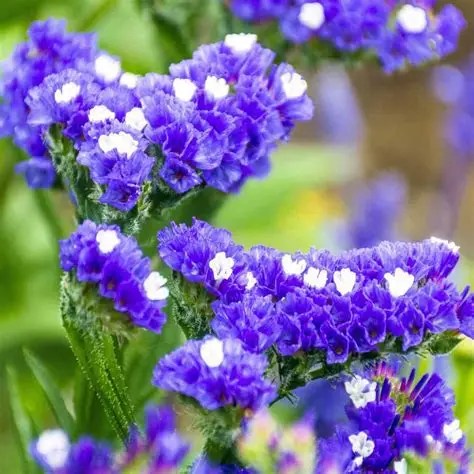
What is your theme going to be? Are you 80% crazy gardener, like me, and already planning in the back of your mind while you bake for the holidays?


 The Marigold Potager - A Zone 3 Prairie Garden
Leave a comment