
Yard Tasks
- Lawns – in mid to late August, you want to start doing lawn touch-ups. Re-seeding and/or sodding.
- Divide perennials like peonies and daylilies. Be careful to not plant your peonies too deeply, or they will pout and fail to bloom. Do not feed peonies with manure, compost only.
- Stop deadheading dahlias, zinnias, and cosmos. Allow some of the flowers to die back thoroughly so that you can save the seeds for next year.
How To Save Zinnia Seeds – The Marigold Potager – A Zone 3 Prairie Garden
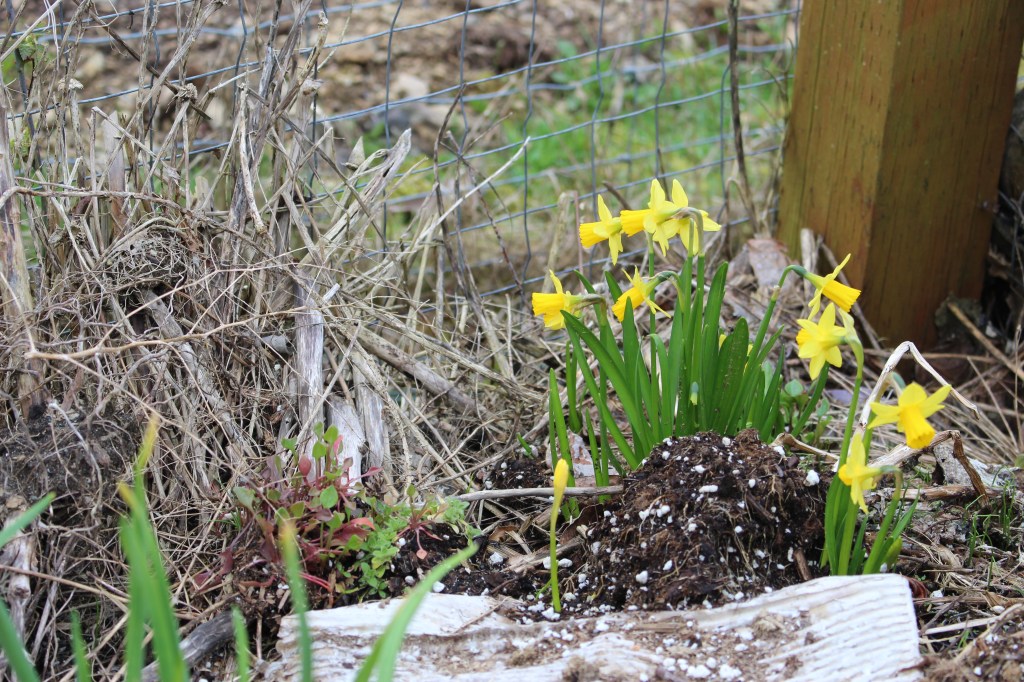
Order spring flowering bulbs for planting in September and October.
- Be sure to check the gardening zone.
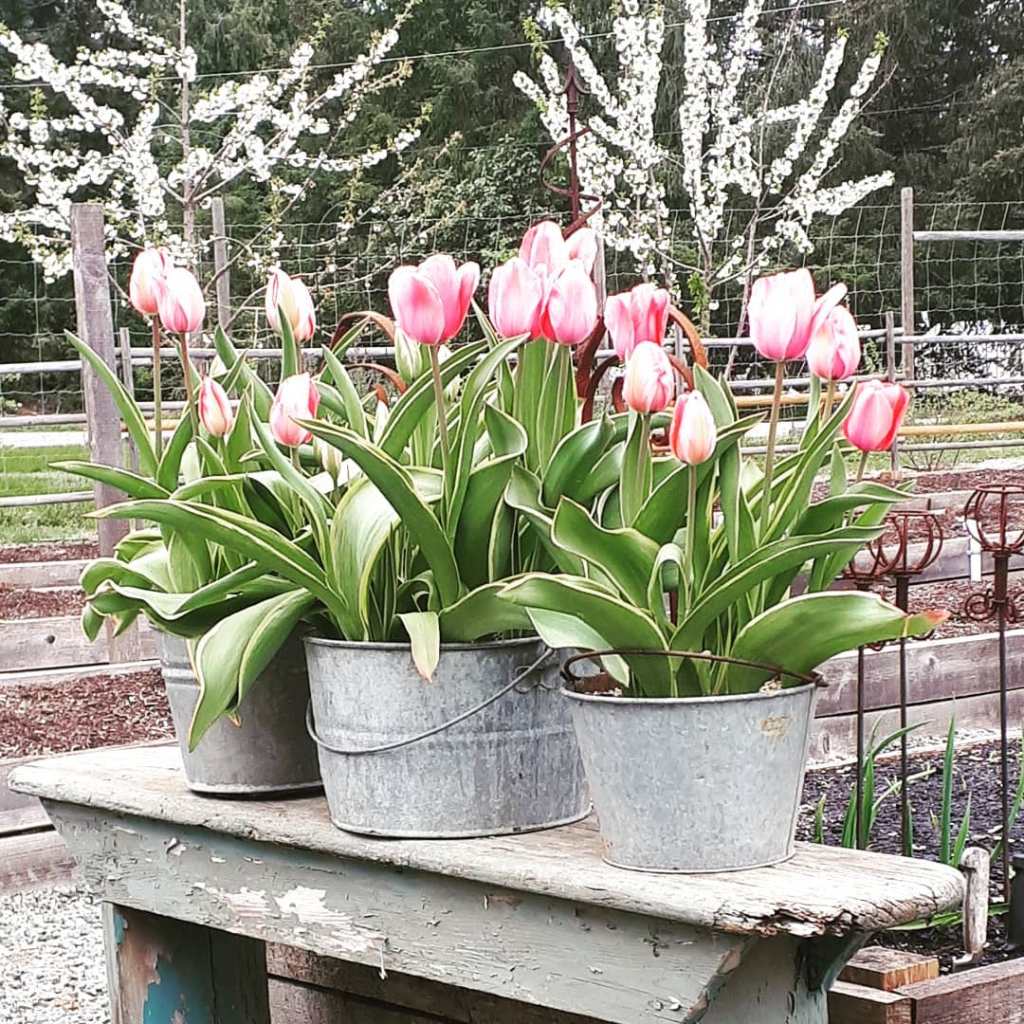
- Darwin & Triumph type tulips are the best for recurring blooms. The other tulips are best lifted after blooming and replanted again in fall.
- Species tulips will naturalise.
- Daffodils can be tricky to grow in cold zone 3 winters, get the hardiest ones you can find.
- Pathway plantings of squill, grape hyacinths, glory of the snow, crocus… are low growing and will spread with time. They are also deer and bunny resistant.
Garden Centers are putting their perennials, trees, and shrubs on sale this month. Pick some up and plant them up, This is the perfect time as the weather is not too hot so they don’t dry out as fast, the ground is warm so they root in quickly.
For fall colour this year, and for years to come, pick up sedums, echinacea, and rudbeckias.
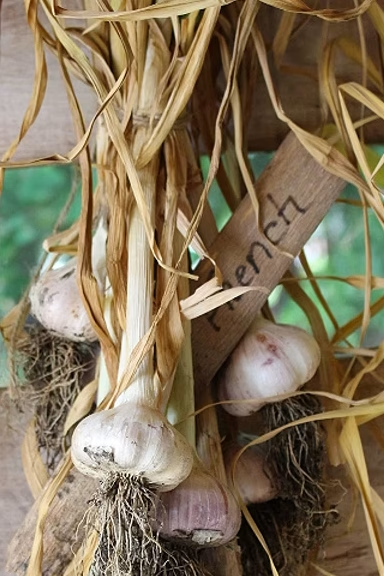
Order garlic for your fall planting! Local farmers, farmer’s markets, and garden centers will carry planting garlic in August and September. Planting time
To Prune Or Not To Prune…
Prune your finished perennials to promote a late flush of new blooms. Plants like salvia, catmint (nepeta), veronica, monkshood, delphiniums, dianthus, campanula. They may give you another flush, they may not, but it never hurts to try.
Take cuttings of the salvias now, if you are looking for more of them. I am so in love with salvia that I am planting them everywhere for the hummers, bees, hoverflies. I have not seen many butterflies here, but I know they like them, too.
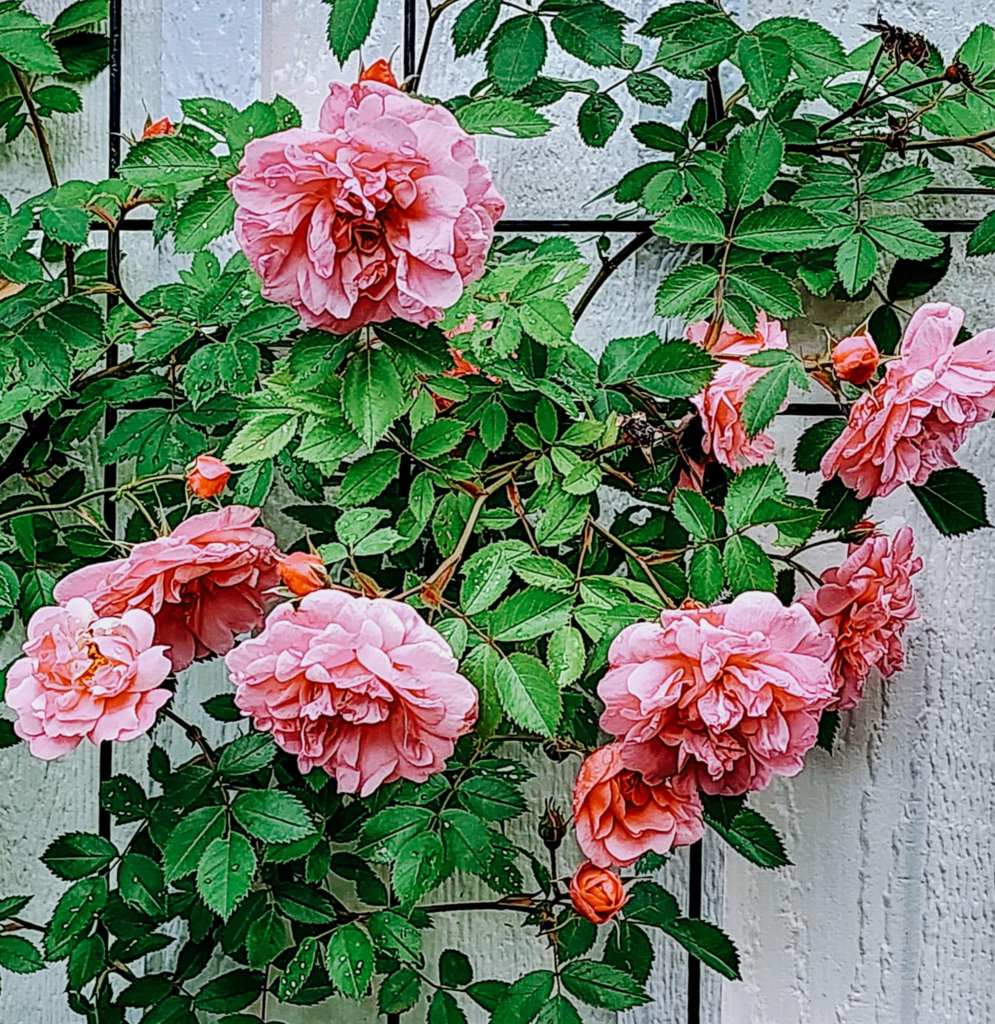
Do NOT prune Roses! Let them do their thing. If you prune them now, you encourage new growth, so they will likely not have time to shut down properly for the year… meaning, you will lose them in winter. Allow them to make and ripen their hips.
Do NOT prune Echinacea (and rudbeckia) – coneflowers will still be making new blooms, and finishing others. Allow them to finish off in their own time. The bees, pollinators, and beneficial insects will love the finished blooms as much as they do the new ones and birds will enjoy the seeds later in the season.
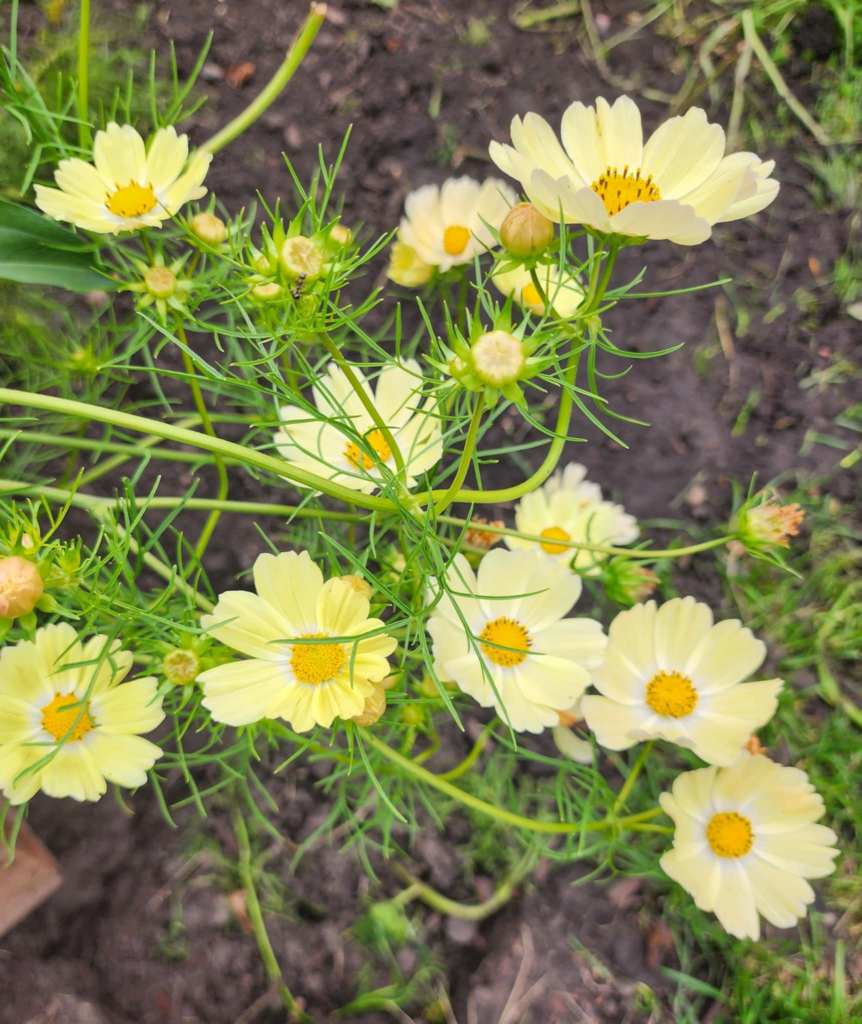
DO NOT deadhead dahlias, zinnias, cosmos, marigolds, calendula, dianthus, etc… any longer if you want to save the seeds to grow next year. How To Save Zinnia Seeds .
Do NOT prune shrubs and trees. Pruning promotes new growth, something we do not want this late in the year. If you need to prune off long branches, wait till it goes dormant. Cutting off anything dead, broken, or diseased can be done at any time of the year, though.
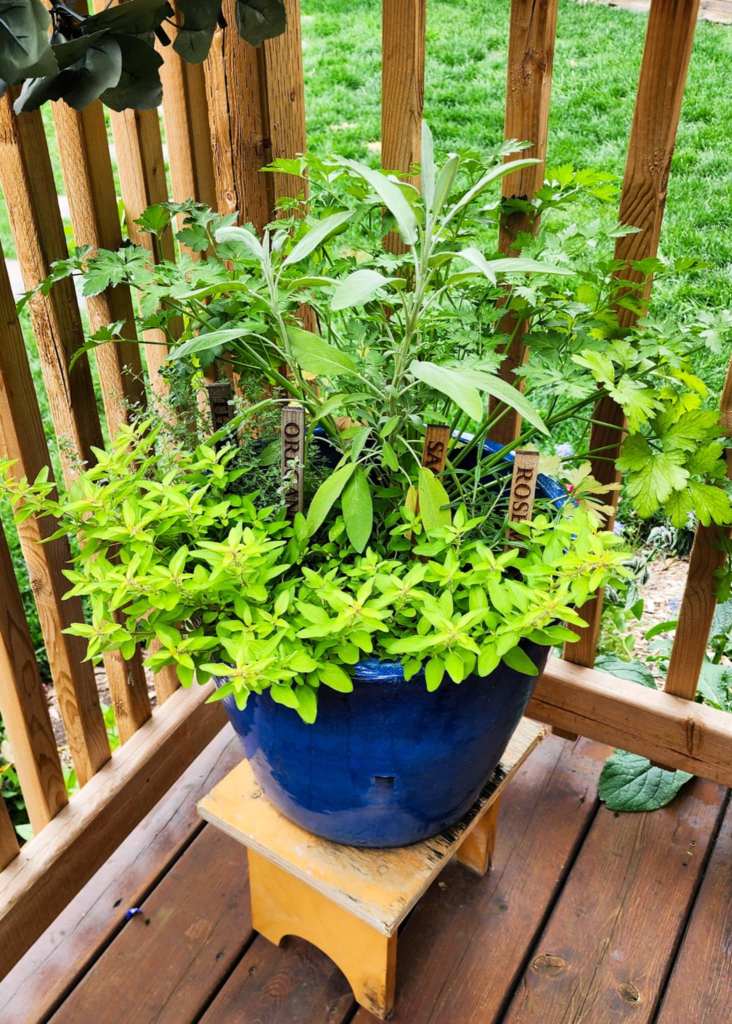
Herbal Harvest
Potted herbs like thyme and oregano should be planted into the garden now to give them time to root in. Trim plants to 3 inches, plant into the ground.
- On the island (zone 7) planted near all herbs into the garden in fall (except parsley).
- On the prairies (zone 3 and 4) plant thyme, tarragon, chives, and garlic chives. Yes, mint is hardy here, and spreads like crazy so I would hesitate to plant that in the ground unless you have a way to corral it.
- Rosemary is hardy to a zone 5 outside. To bring it into the house, put it in a clay pot as it hates wet feet and clay pots breathe. Water when soil feels dry. Place it in a cool, but very bright window. Loves light and bright, but not the heat, so do not place it by a heating vent. If you are in a bit warmer zone, it will love it in the greenhouse.
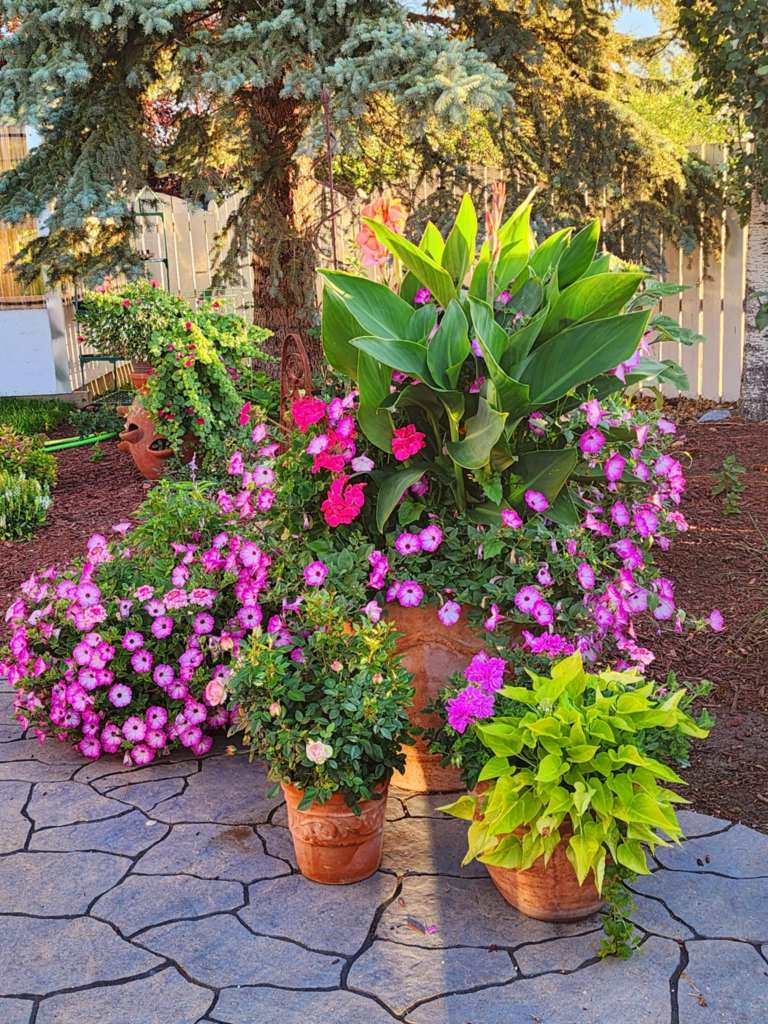
Flowers
Flower pots looking a bit wild and crazy? Enjoy the crazy for a few more weeks, to remove at the end of August when they start to look tired in addition to being overgrown. Keep feeding them for a few more weeks to keep them blooming. I am not a fan of planter pots with flowers that have gone wild and taken over the pots so will sometimes just pull out the offending plant (usually a petunia, hah!) and let the other flowers fill in and enjoy their time to shine.
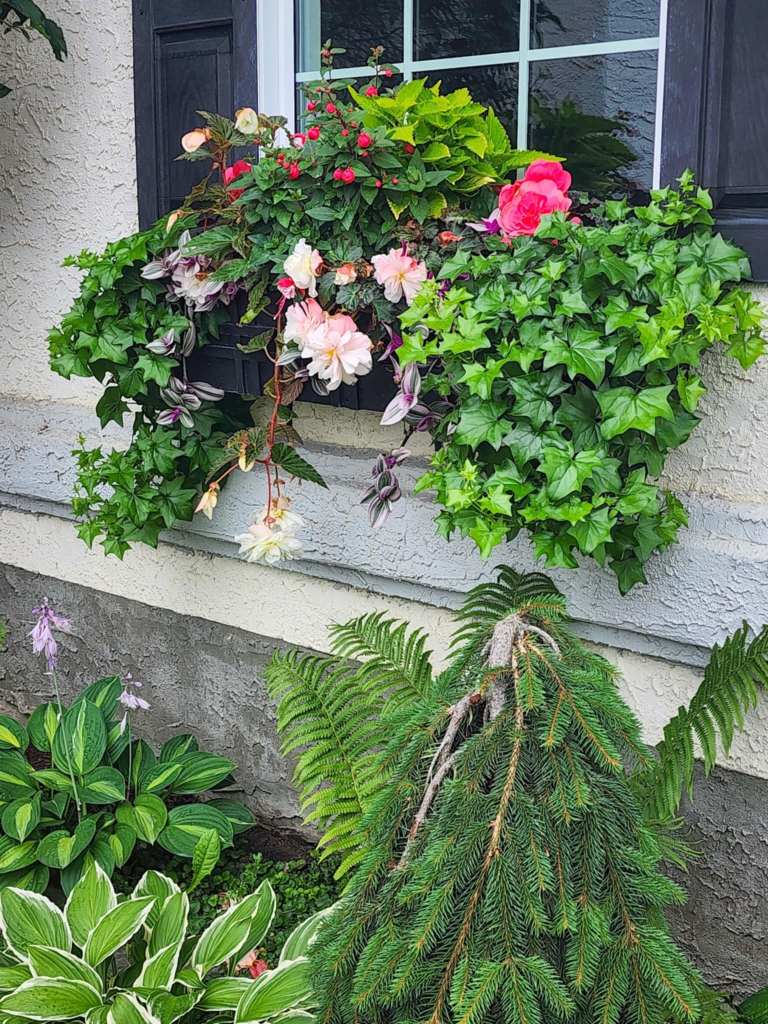
Hollyhocks have rust on the leaves? Erin, from Floret Flower Farm, recommends that you just pull the bad leaves and enjoy the tall, stately flowers. I would add that maybe you plant some lower growing flowers in front next year to hide the bare stems, if they bother you. Annuals like zinnias or cosmos, which are beautiful at this time of year. Perennials such as rudbeckia or echinacea.
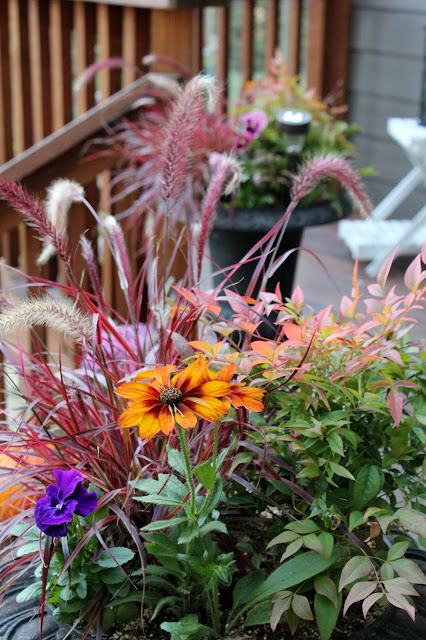
Pick up some fall flowers and freshen up your front porch flower pots.
Harvests
- Potatoes – harvest new, thin skinned potatoes for dinners. Pull up one or two plants, root around in the ground for the spuds, wash and enjoy for dinner.
- If you want storage potatoes, leave them till in the garden till the stems wilt and turn brown/yellow. After they have died off, leave the potatoes for an extra 2 weeks, if weather allows, during which time they will make thick skins that they need to store well. I place mine into a cardboard box (the box absorbs the moisture to keep them from rotting) and place in a cool spot(garage/coldroom) that is just slightly above freezing.
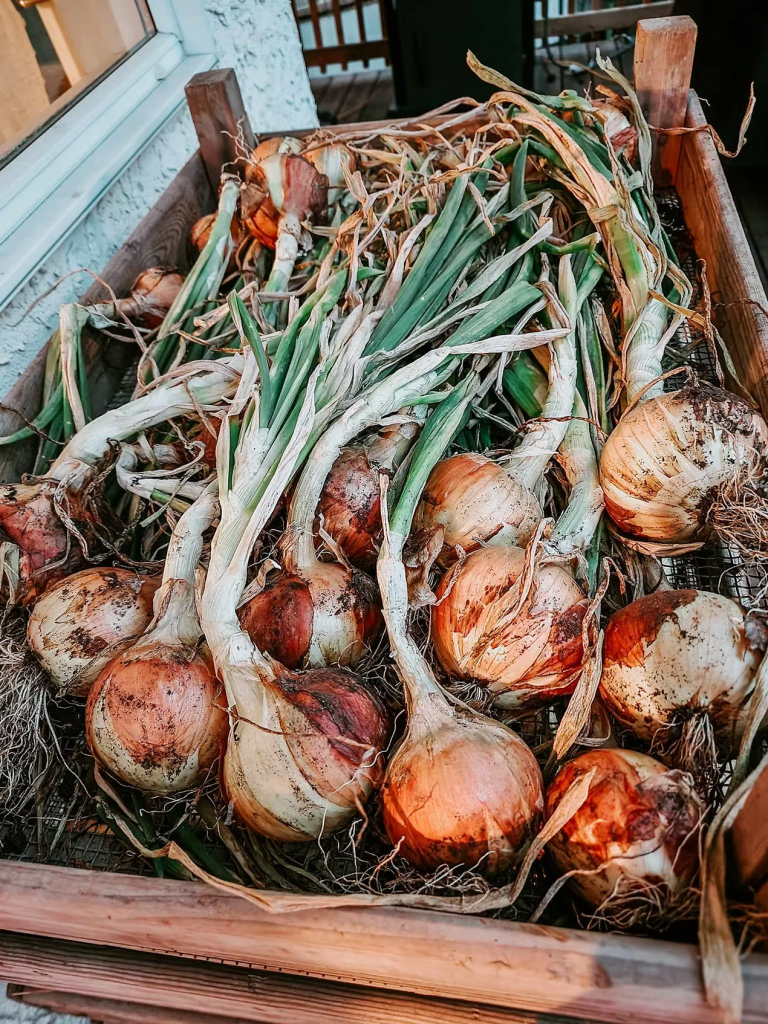
- Onions – when the tops start folding over, they are ready for harvesting. If not all the tops have folded over, push them over at the neck and leave the onions in the garden for another few days. Lift gently from the garden, brush off the loose soil, do not wash. Hang or lay out to cure in an airy but shaded spot for 10 to 14 days. Trim off roots and dry tops. They will last for many, many months in the cold room. Mine made it all the way till the following spring.
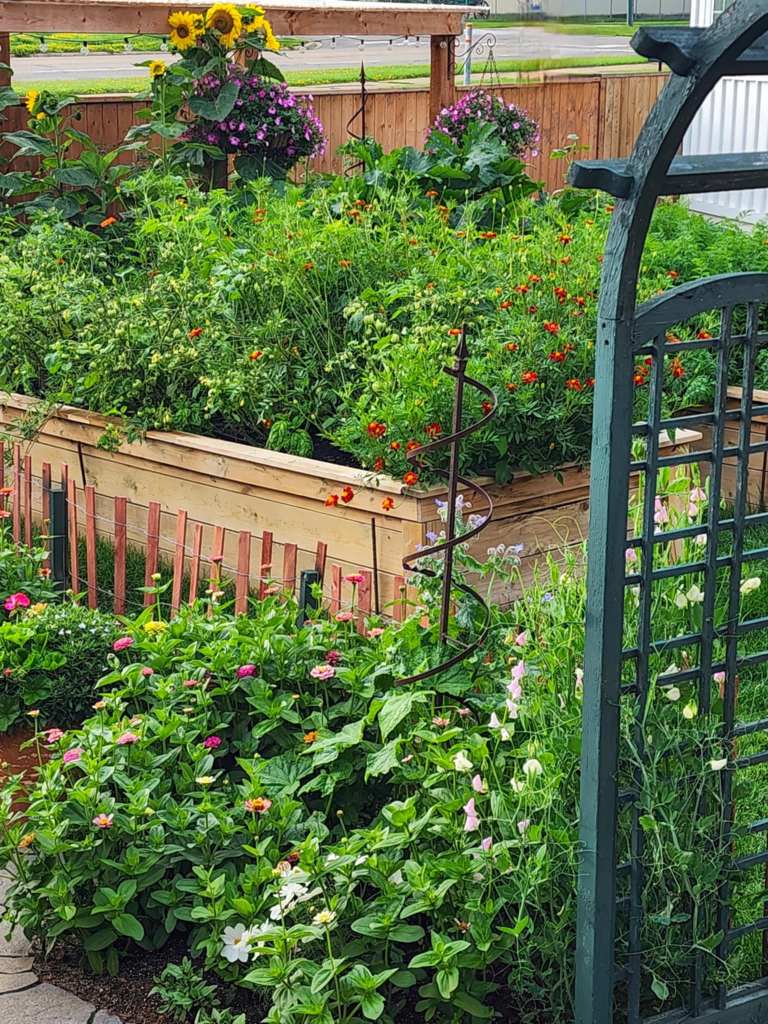
Tomatoes… this one is controversial as some will say it is too early. However, with the weather the way it has been this summer (wet and cool), I am not counting on a hot, sunny September.
Prune excess foliage off of your determinate tomatoes and remove most of the new flowers. This will put energy into the tomatoes that are already on the vines. Allow them to size up and colour up, rather than producing more fruits and leaves.
Top your indeterminate tomatoes, too, so the energy going into ripening the existing tomatoes. Remove excess foliage.
Common Tomato Issues & Solutions
Journaling!
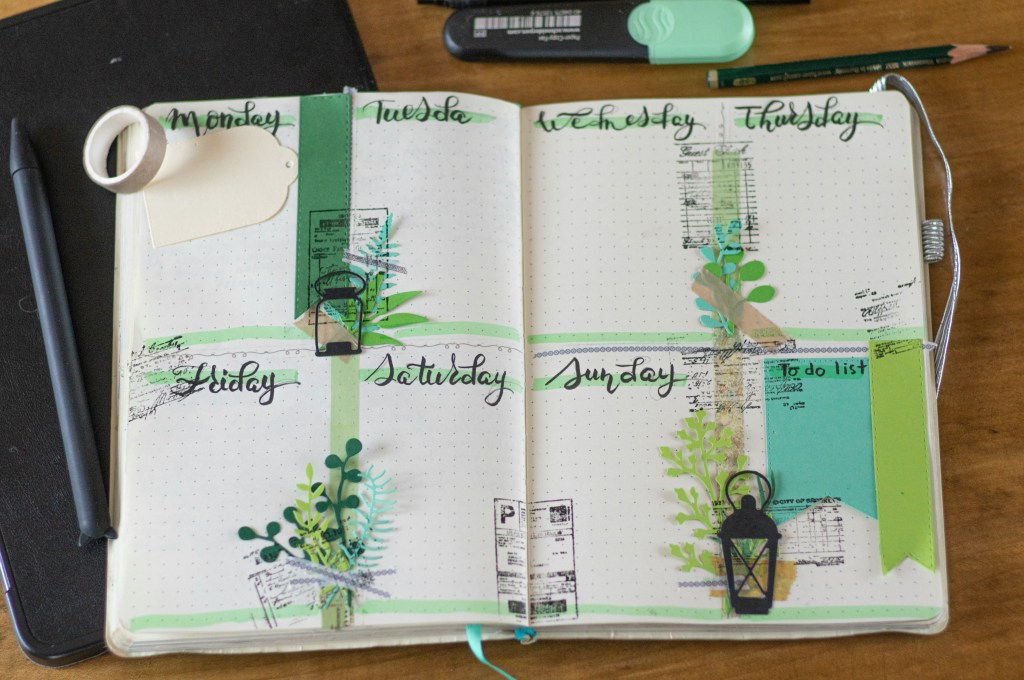
Don’t forget to jot down notes while things are fresh in your mind…
- Write down your ideas for next year.
- What plants you loved and want to buy again… which ones not to (petunias!)
- Colour combos that you really like. (white and green, with hints of pink)
- Plants you want move, and where.
- Where you are planting your tulips, crocuses, daffs, etc…
- Your garlic map, if you plant assorted varieties.
- Your fall sowing so you do not weed them out.
- I like to keep track of the daily weather, too. Temps and conditions.
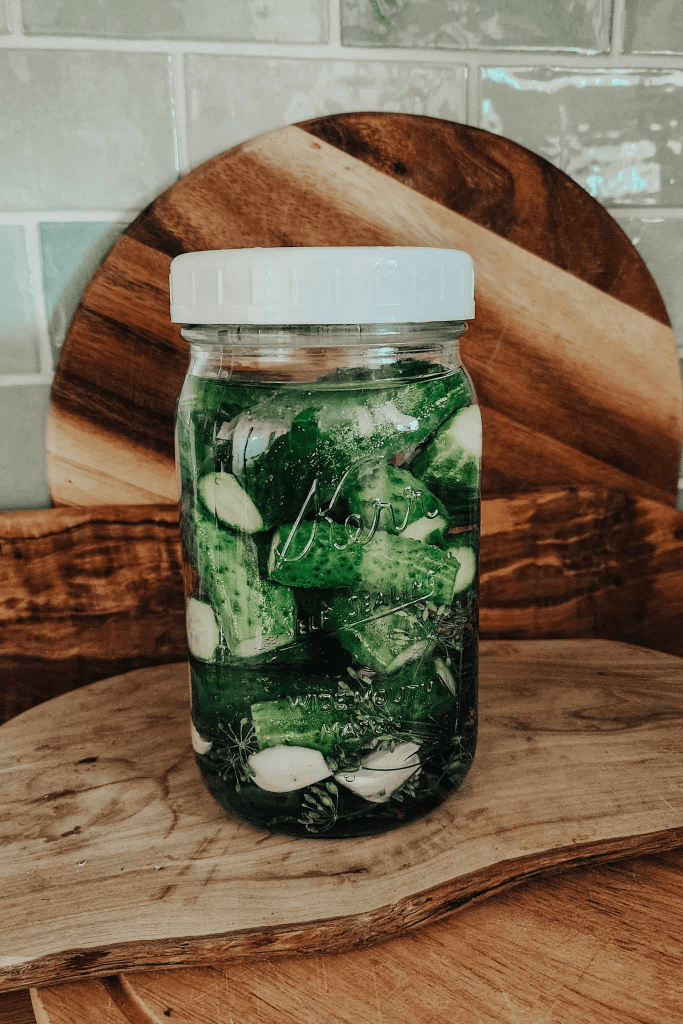
I made another jar of ‘Crunchiest Fridge Dill Pickles You Have Ever Tasted‘. There is nothing better tasting than these small batch pickled cucumbers! Or any veggies, for that matter. They stay so crunchy!
What To Sow Now…
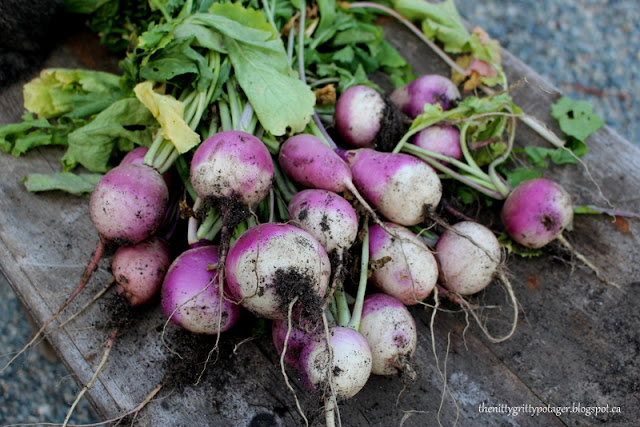
This is a great time to sow short season crops that like to finish off in the cooler temps coming our way. They germinate quickly in the warm soil and then grow nicely in the cool weather.
What to sow? radishes, lettuce, Asian greens (they love these fall temps), turnips, chard. For more ideas, see this post with 10 veggies that you can sow this month for a fall harvest.
Shop for your early spring vegetable seeds now. Sow these seeds in the garden just before the snow flies, mid-October here, mid-November or later in warmer zones (west coast). Carrots, lettuce, spinach, lettuce, radishes, parsnips, scallions, beets, chard. These will come up in late March or early April.
Some seed companies are having fall sales now! Check out Incredible Seeds in Nova Scotia.
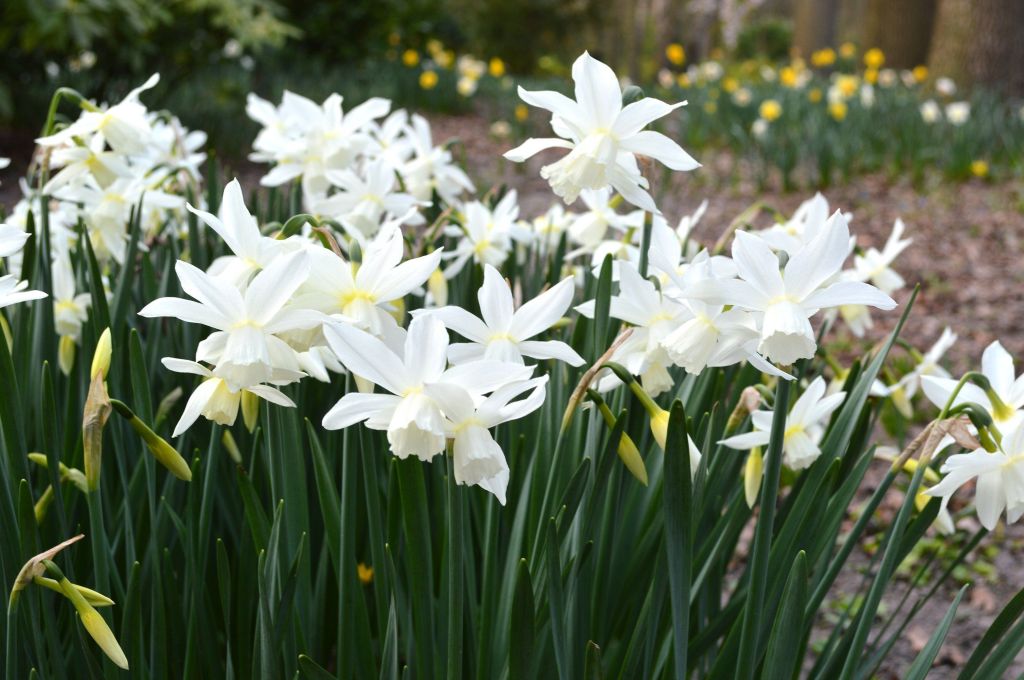
Shop around for spring bulbs.
*Tip – To feed tulips/flower bulbs with bloodmeal (nitrogen!) in the fall, you do not put it in the planting hole, but rather scratch it into the soil’s surface after planting!
5 Must Have Spring Flowering Bulbs – The Marigold Potager – A Zone 3 Prairie Garden
Bugs & Diseases in Late Summer
Please do not stress about the pests at this time of year.
Trees, flowers, shrubs will soon drop their leaves, finish blooming, be done for the year… is not worth it to try to get rid of one pest, only to kill off many of the good guys at the same time that are soon going to be looking to hibernate in your garden for next year’s bug control.
My yard has a few aphids on the dahlias, but is literally full of ladybugs, bees, hoverflies (look like bees, do not sting), and parasitic wasps right now. It is amazing to watch! Let them do their thing.
Thrips are little bugs that are getting into your flowers – roses, dahlias, cosmos, zinnias, squash blossoms, petunias – making them look brownish, not opening well, streaky, twisted, looking sad. To find out if you have thrips, take a blossom, hold it over a white sheet of paper, give the flower a tap. If you see little bugs that look like tiny bottom eye lashes, you have them. Sadly, there is nothing that you can do about them. No contact sprays will kill them as they hide in the blossoms. If you want bees to feed from your flowers, you do not want that anyways.
What can you do? Thrips comes through the yard in a wave. Remove ugly flowers, toss, let them rebloom. We still have lots of time. Or, leave them be and wait till the thrips are gone for new pretty flowers. Or, get rid of the plant… it is just about September.
Aphids – I have found black aphids on my dahlias. I just blasted them off with a sharp jet of water and they have not come back since. I also flicked off the ants that were farming those aphids.
I have also found them on my eggplants in the greenhouse. This is the second year in a row that they have gone after the eggplants. Nothing else, just the eggplants. My grandkids captured a few ladybugs that we put in the greenhouse and that seems to have done the trick. However, I will be planting the eggplants in pots outside next year. In the hottest location I can find.
Please do not bother spraying. You will never get rid of them all, but you will diminish the good guy population at the same time. Guaranteed they are there. The ladybugs and their larvae are out in full force! The hoverflies, the wasps, the parasitoids, too. Let them have at it.
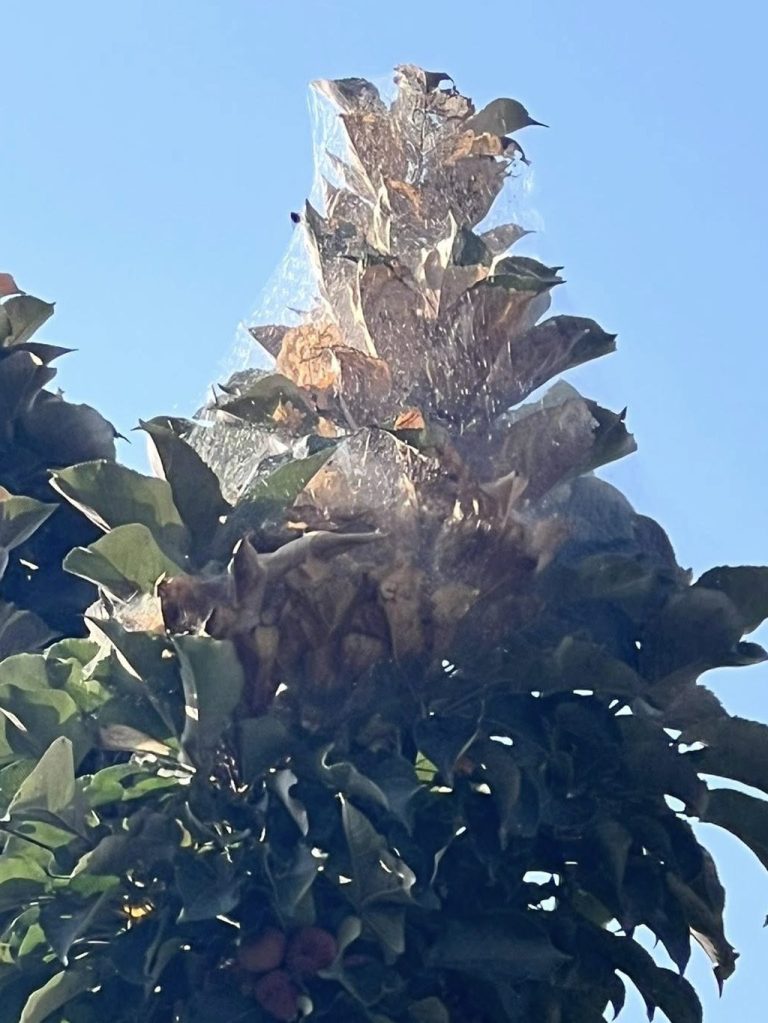
Fall webworm – if you see webbing on your trees at this time of year, it is not tent caterpillars, it is the fall webworm. The fall webworm can be found on most any kind of deciduous tree and will happen in late summer only. While unsightly, the webworm will not kill or harm an otherwise healthy tree.
Spraying any sort of chemical is discouraged in order to protect pollinators. No action is required, but if you are bothered by the webbing you can cut it out of the tree and destroy the ‘next’ by bagging it or burning it.
One last thing… leafhoppers. If you spray your vines (virginia creeper, hops, grapes) and bunches of little white things fly out, you have leafhoppers.
There is nothing much you can do about them now either, except spray them with water till they fall to the ground and then keep spraying them in the hopes that you are drowning some of them off.
Birds, ladybugs, lacewings, and other insects will eat these wee bugs. Next year, plant alyssum, calendula, and cosmos at the feet of these vines. They attract parasitic wasps whose larvae love to eat these bugs.
You can also try Green Earth dormant oil spray kits in late fall and early spring, when the plants are dormant. You can also use it on roses (for black spot and pests), cotoneaster, and fruit trees. Read directions for correct time to use.
FAQ’s
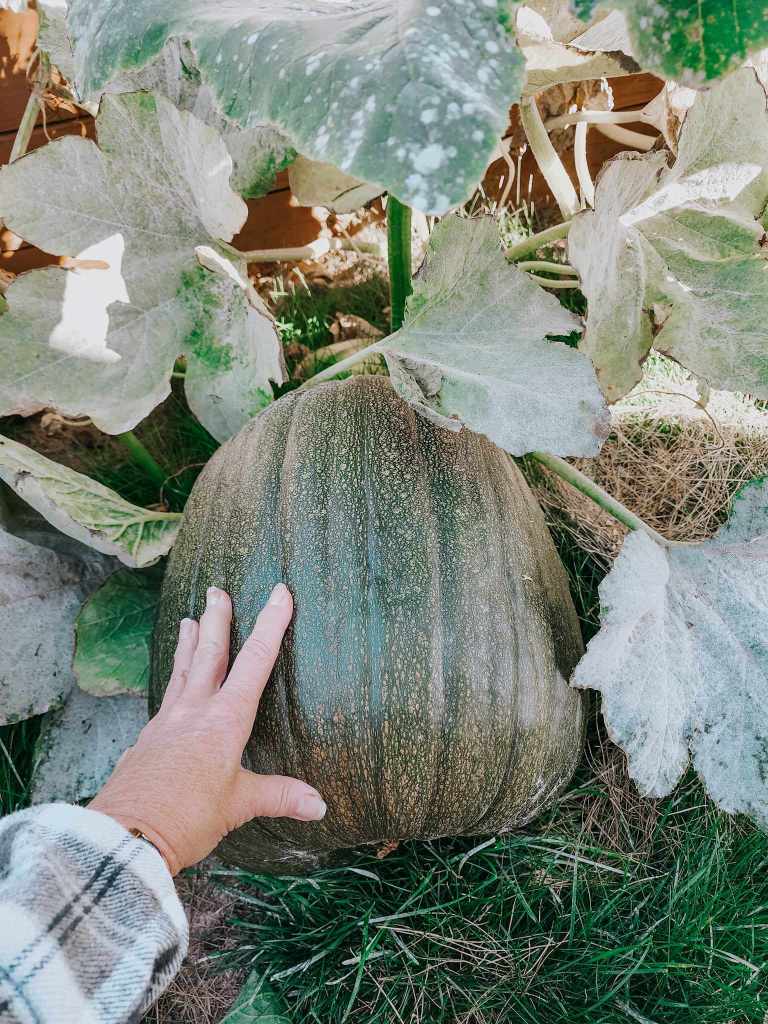
- Question – Tanja, my spaghetti squash are green and kinda stripey looking. They look nothing like the ones I have grown in the past. Have the seeds cross pollinated? Are they some other type of squash?
Tanja – All is well. They are indeed spaghetti squash, they are just not yet ripe. Leave them on the vine until they turn yellow. They will also ripen in a warm, sunny spot if you have to pick them early.
2. Question – Help! My squash and cucumber leaves are turning white, have mould on them. What can I do to get rid of it?
Tanja – Sadly, this is the time of year when we have a high dew point at night so even in you never wet the foliage, powdery mildew (a fungal disease) will quickly take over the leaves. There is little that you can do. Luckily, your pumpkins, squash, cucumbers will continue to ripen even though the foliage looks ugly.
If you do not have much of it yet, you can cut off the fungal leaves. If you have a lot of it, remove the worst leaves, try to water only at ground level to slow down the spread, and try not to worry. All will be well.
3. My squash has only male flowers, no females, is it too late to get any harvest?
Tanja – depends on what kind of squash it is. If it is zucchini or a pattypan, you will still have plenty of time for harvest as soon as your plant starts making females. Give it a shot of fertiliser that is low nitrogen but with a higher middle and last number (like a 3-6-12), water deeply but less often. Squash nearly always make male flowers first and then the females come later.
If, however, it is any other kind of squash (pumpkin, acorn, butternut, spaghetti) it will not have time to grow and ripen fruit before frost. I would pull the plant and grow some fall lettuces, chard, or turnips in that space instead.
4. Question – I have tons and tons of mushrooms in my gardens and lawn from all the rain we have been having. Should I do anything about them?
Tanja – Unless you are worried about children or pets eating them, they are not a worry. They soon ‘melt’ back into the soil and just help to improve your soil. Mushrooms are a sign of good, healthy soil (or wood breaking down).


 The Marigold Potager - A Zone 3 Prairie Garden
Leave a comment