Wondering what to plant in that empty garlic bed or in those empty pockets where the broccoli bolted? Concerned that there may not be enough time to grow anything before the days grow short and the fall rains arrive?
Fresh baby greens, salad fixings, and veggies for roasting that can be started from seed in August? It’s true.
Even if you are in a short summer region, like my zone 3 potager garden, you can still have a fall garden. Even better if your first frost comes a bit later than ours does. If we can do it here, you can for sure do it in a warmer zone.
The average first frost date here in central Alberta, where I live, is September 9th, so I need to get a boogie on. Here is my list of veggies that you can start right now for harvest in 50 days, or less.
These seeds will germinate quickly in the warm summer soil and enjoy finishing off in the cool late summer weather.
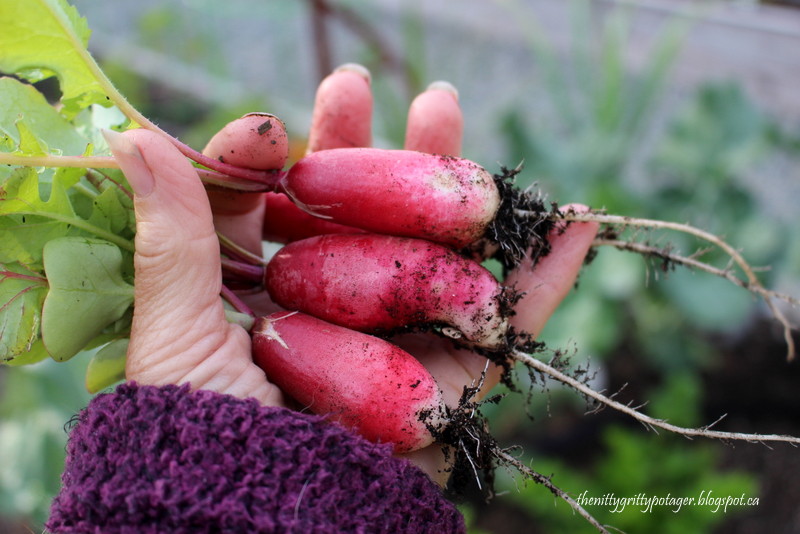
1. Radishes
The very same radishes that you planted in spring, you can also grow now. Harvest in 20 to 30 days. You can still sow several times this year, if you love your radishes : )
My favourites are the long French Breakfast radishes but the round ones are also perfect to sow now.
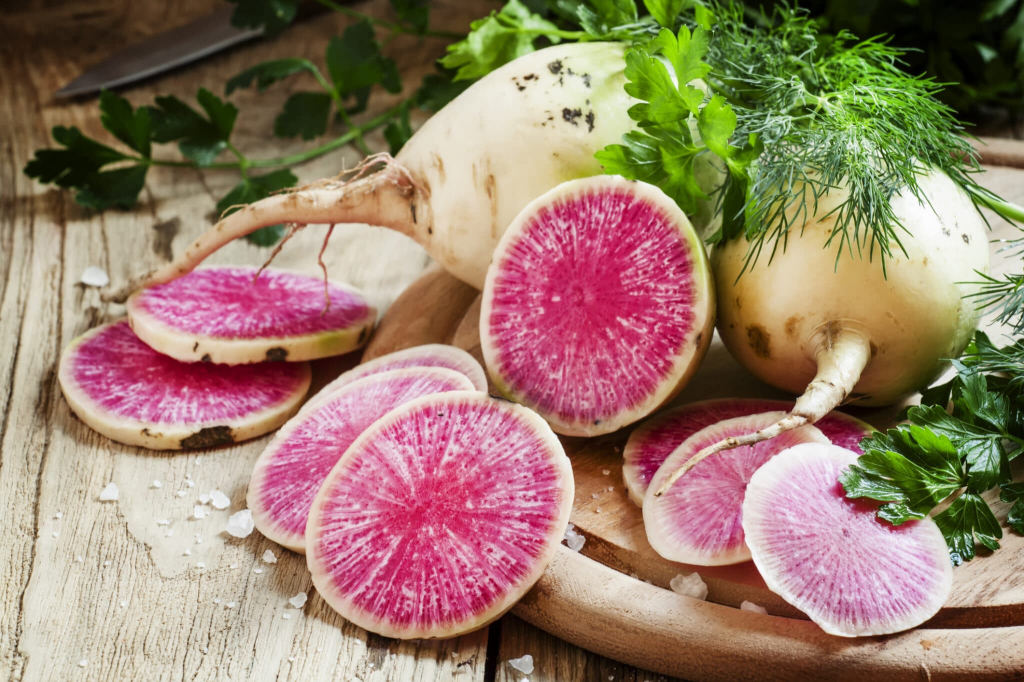
I know I said under 50 days , but decided to add some ideas for veggies that love to finish off in cooler temps and won’t be bothered by some light frosts… like these mini Daikon radishes that only take 55 to 65 days.
Or plant some super pretty, pink, tasty, nutrient dense watermelon radishes. They prefer to be planted in summer to grow into the cool fall and will store well in the crisper, too.

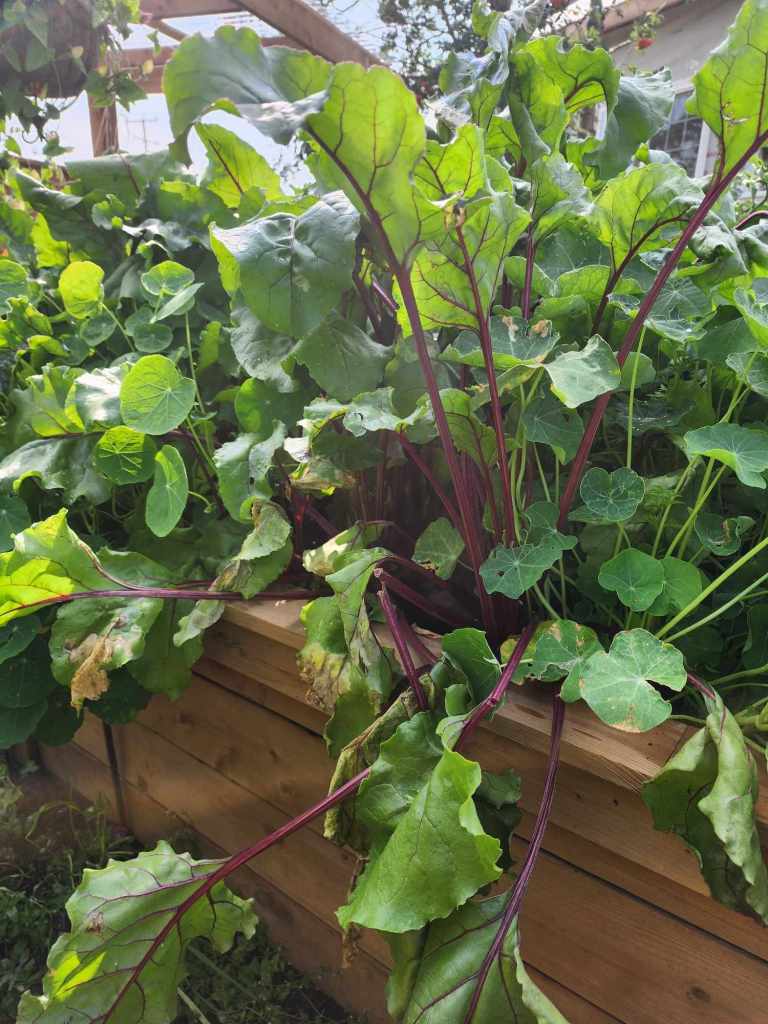
2. Beets
Most all round beets will be ready in 50 to 55 days. Cylindrical beets take a bit longer, just barely, at 60 ish day to maturity. Baby beets and beet greens will be ready much sooner than that.
Give your soil a good layer of compost before sowing. Scratch it in lightly into the furrow, sow your seeds, cover with more compost, water in.
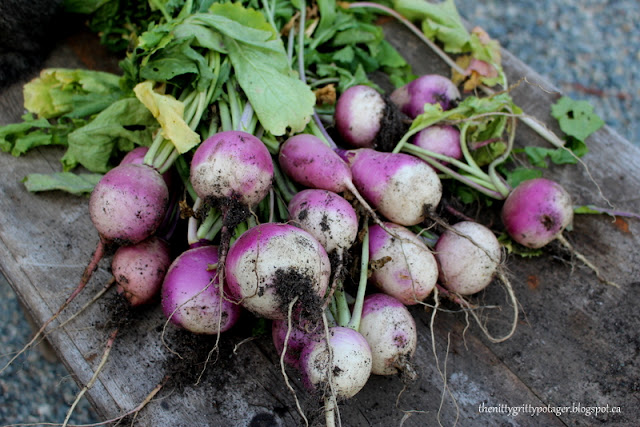
3. Turnips
Depending on the variety, you can be harvesting turnips in just 30 to 40 days. Spicy, delish. They are yummy fresh or roasted.
4. Lettuces
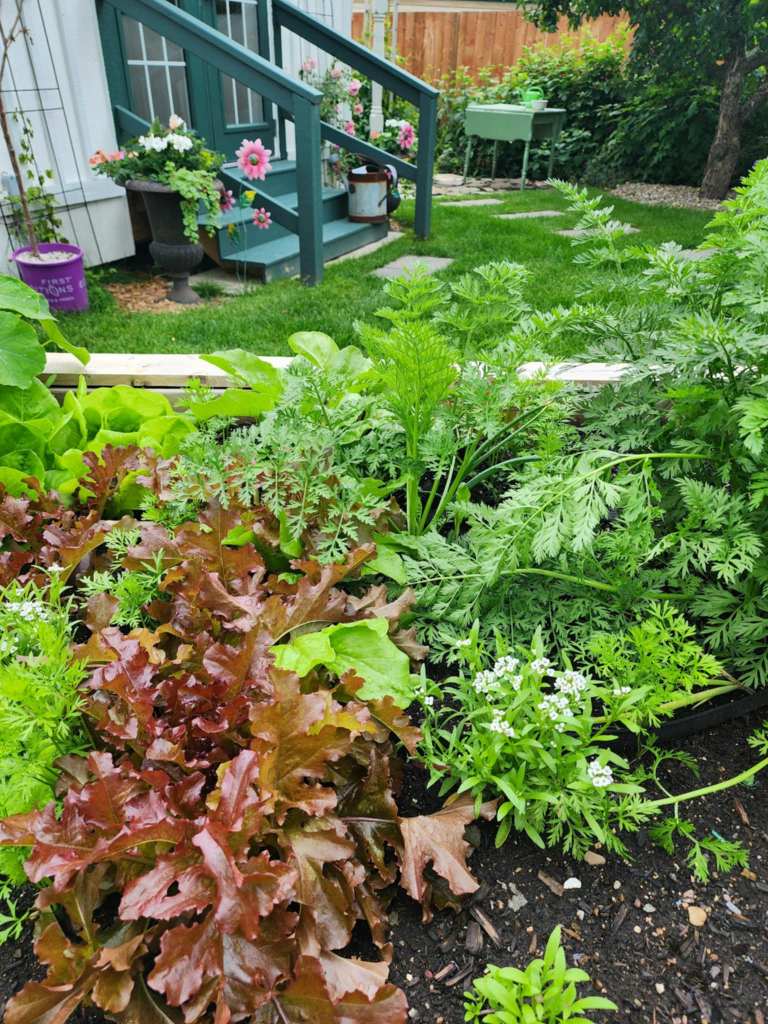
I sow lettuce throughout the summer, from spring through till late summer. It takes only 35 days for baby greens to be ready, the cut and come again kinds.
Heading lettuces, like butterheads and crispheads, will take a bit longer, at 50 ish days, but you can harvest the outer leaves as they grow, so in reality they are just as fast.
Sow a couple of seeds wherever an empty pocket appears.
5. Chard
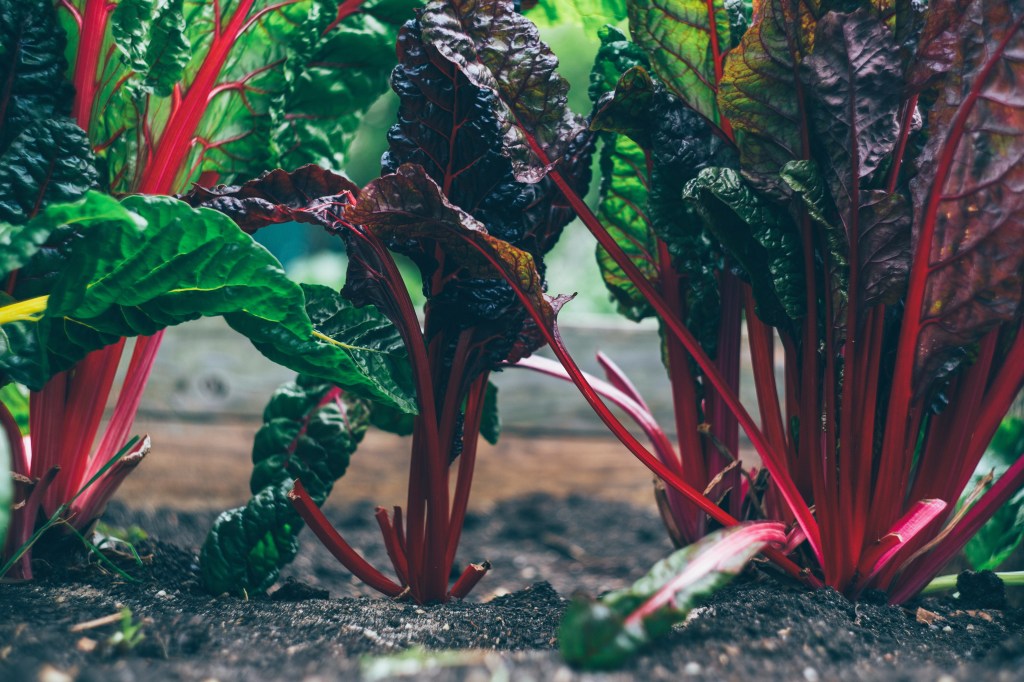
I’m not a fan of the ‘earthy’ taste of chard, but it is a cool season crops that can take the frost and a bit of snow, too.
With some varieties maturing in as little as 27 days, it is a sure favourite for fall greens.

6. Spinach
Toss in a row of seeds anywhere you find an extra pocket of space. Even better if that spot is partially shaded during the day. The seeds will germinate once the temps drop a little bit.
Harvest the outer leaves, do not pull the crown. Leave the plant in for the winter and it will come often spring back to life again in late winter/early spring.
7. Green Onions/Spring Onions/Scallions/Bunching Onions
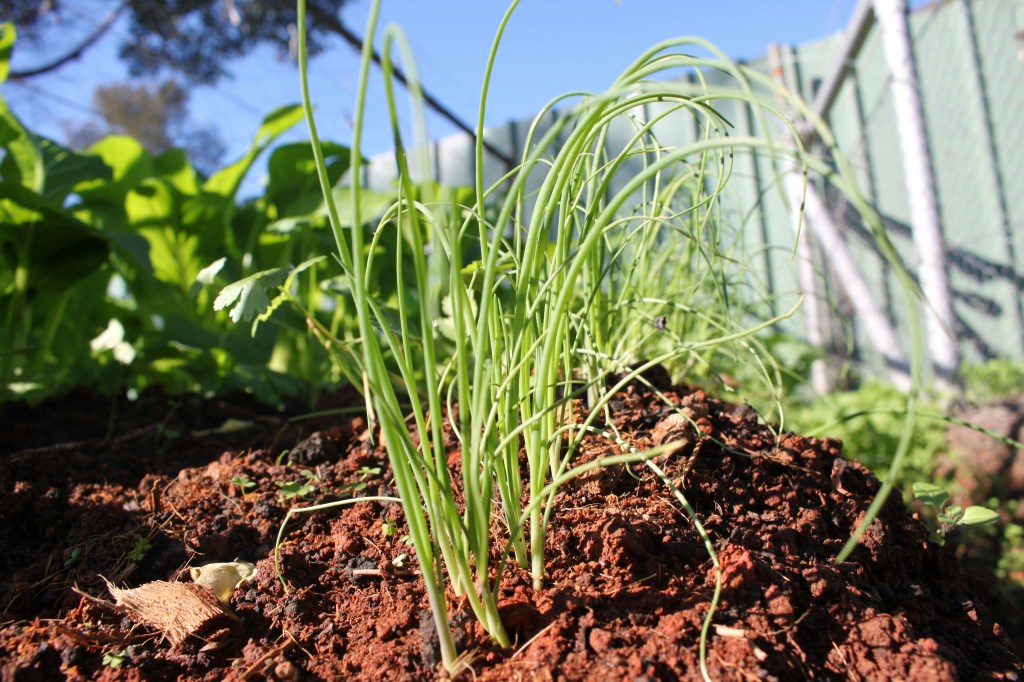
Harvest the greens in 40 to 50 days by cutting them an inch from the ground, leaving the bulbs planted. The bulbs will be ready in 65 days. You don’t need a whole row or a lot of space as these guys can be sown in clumps throughout the garden, wherever a little bit of space opens up.
Check out these overwintering hardy green onions or these scallions in red or white. Pick up some seeds to sow now and once again in November.
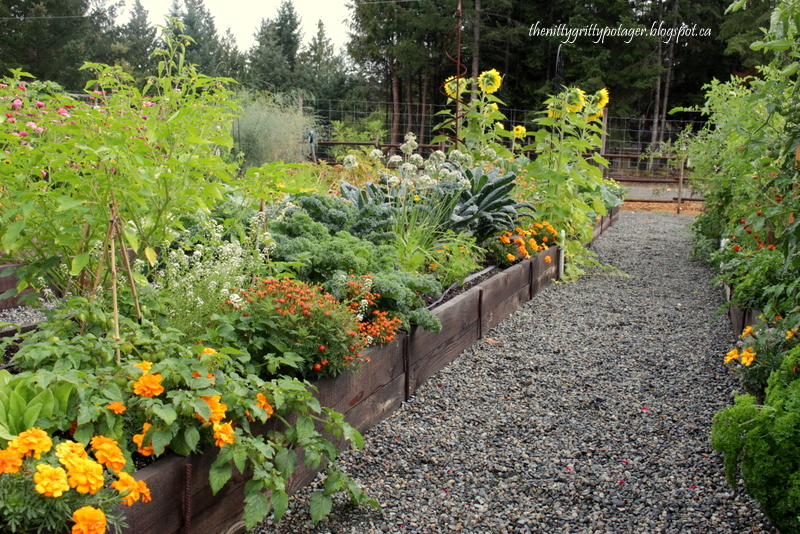
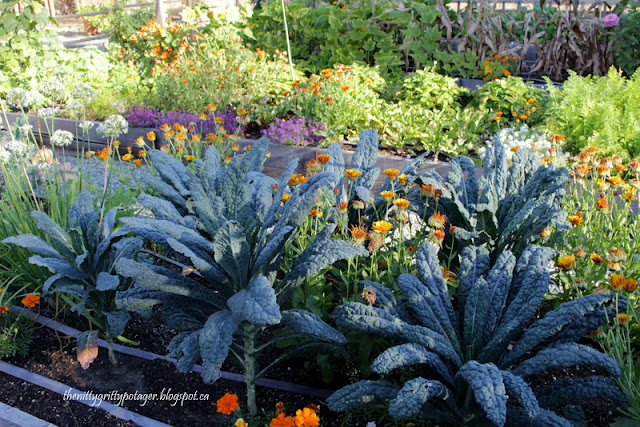
8. Hardy Greens
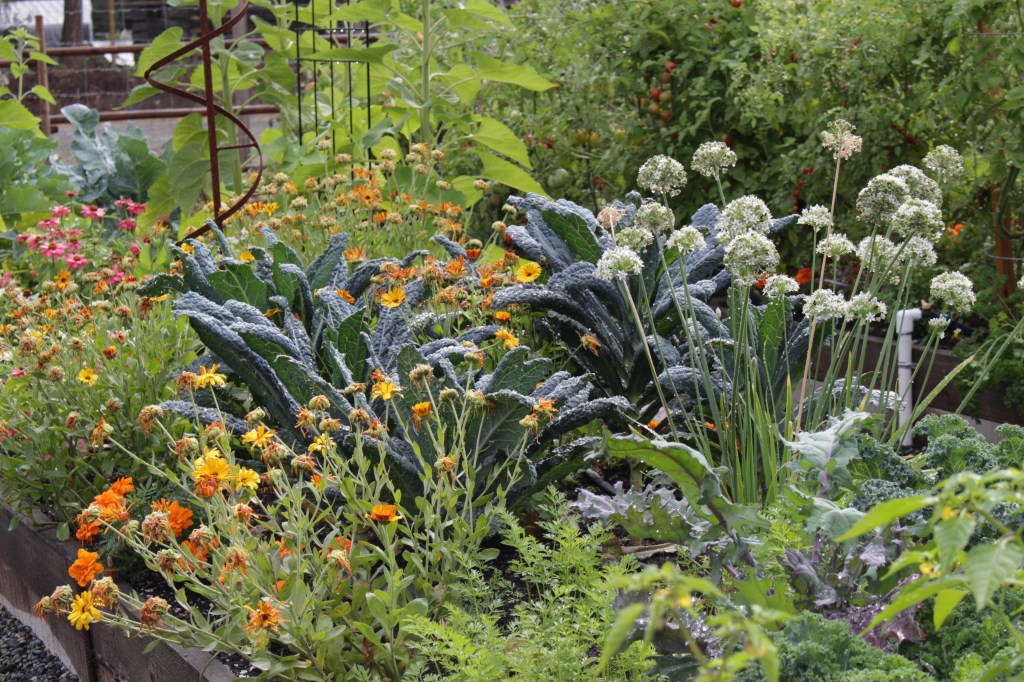
- Kale (50 days – cold hardy, will overwinter in warmer climates)
- Mustard greens (21 days for baby leaf, 45 days)
- Tatsoi (21 days for baby leaf, 45 days)
- Arugula (50 days)
- Bok choy (45 days)
With your greens, as with your lettuces and spinach, harvest outer leaves, never removing the crown from the ground. This will give you extended harvests that take you well into the fall and, in some cases, will remerge again in spring.
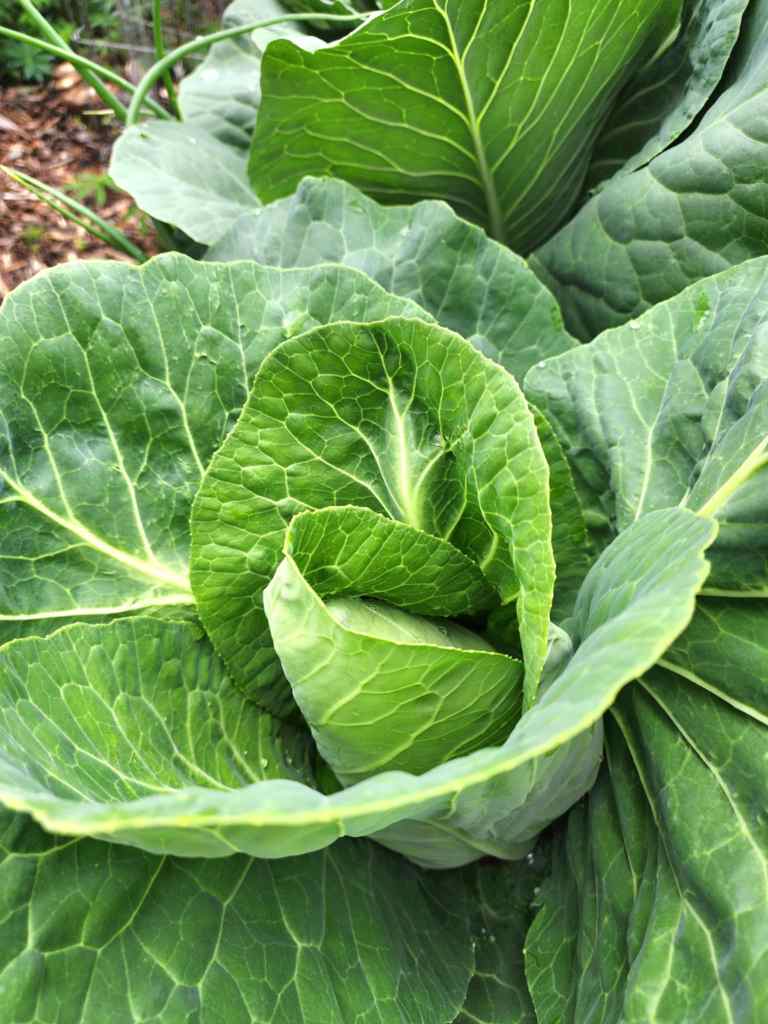
9. Cabbage
Early Jersey Wakefield is super fast at just 50 days till harvest.
You can also try Huron or Brunswick. While they take longer to mature, they are very frost hardy and will store well in the cold room over winter.

10. Kohlrabi
This is the perfect time to start kohlrabi. Sow seeds now to harvest at the end of October. Sweet, yummy, and cold hardy. 55 days till harvest.

11…. Herbs
Not a veggie but you can still sow herbs to harvest for your Thanksgiving dinner, to dry for the winter.
Toss in some herb seeds for your late season canning and harvesting.
- Dill – 55 days (self seeds)
- Cilantro – 45 days (fall sown lasts much longer than spring sown as the days get shorter and cooler)
- Chives – 55 days (perennial)
You may also want to try fennel (non-bulbing), savoury, chervil, caraway (yum!), and sage, which are all between 60 and 75 days. October may just be lovely this year! Nothing to lose by trying, except the cost of a few seeds.

What to do? How to get started?
You can simply direct sow seeds into empty pockets. I am big on direct sowing. The lazy gardener way; )
I prefer this way as it is impossible to overwater them. You water them once every day or two to keep the soil moist till the seeds germinate. After that, you water every 3rd or 4th day, as you are doing with the rest of your garden. They just grow up on the side.
If you prefer, start a few plugs in 6 packs or seed trays to plant out when they get to be a few inches tall.
This is sometimes easier to do, easier to keep an eye on the seedlings and get them off to a good start. Start the seeds in small trays, grow them in a part shade location so that they do not bake or dry out in the heat of the summer.
Water them in when you plant them out, water every 3rd day or so (depends on how fast your soil is drying out) to get them well rooted in.
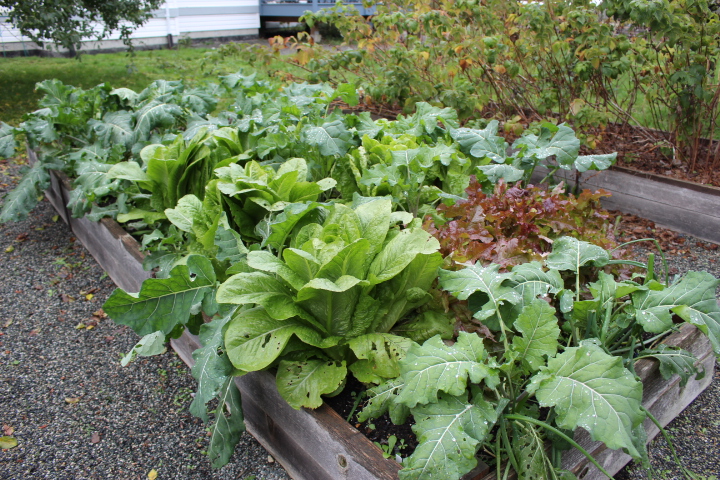
How To Get Them Growing Faster
Feed the soil with a light layer of compost before you sow or plant. Either top dress the bed with 1/2 inch of compost or manure, or add it into the planting furrow.
Feed the seedlings when they are about 3 weeks old. Give them a feed with diluted liquid seaweed or kelp. Do not go too strong, you don’t want to burn your baby seedlings.

Extending The Season…
Most fall vegetables can tolerate light frosts once they are well rooted in. Cool season crops like celery, peas, and most lettuces can handle a bit of frost.
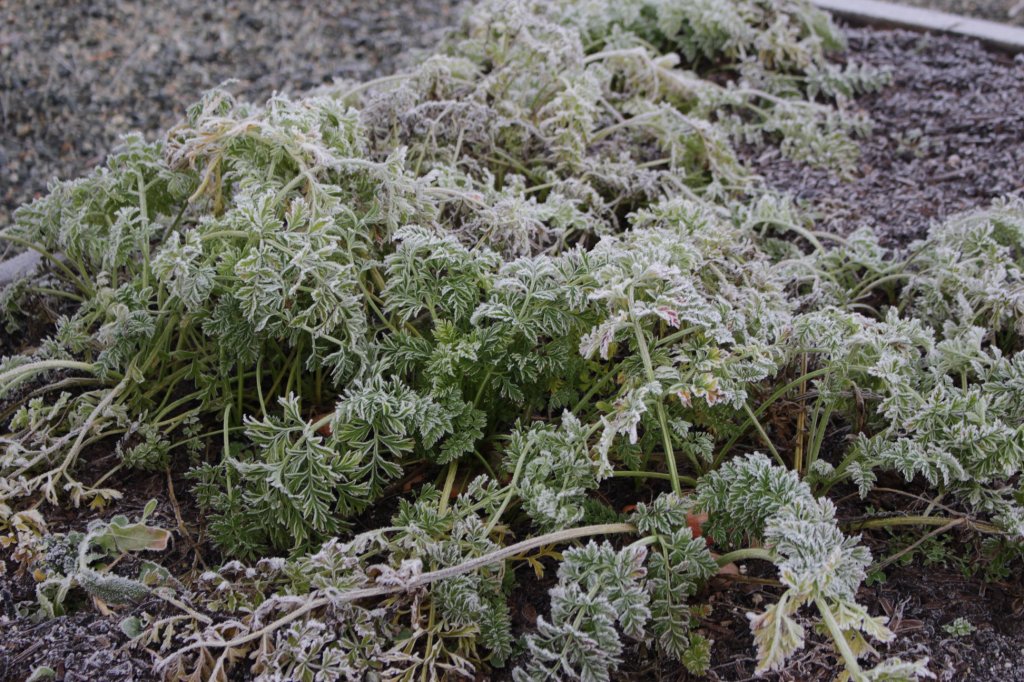
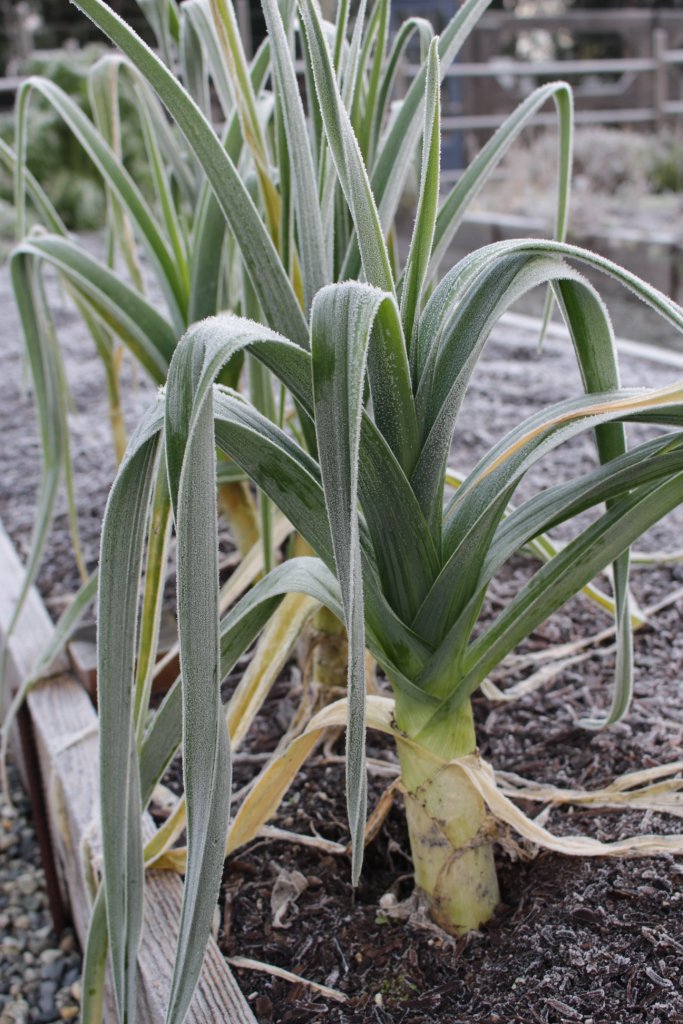
Some fall veggies can withstand a good hard freeze and a dump of snow. Things like , like beets, broccoli, brussels, cabbage, carrots, garlic, kohlrabi, kale, onions, leeks, radishes, spinach, and turnips. The tops may wilt a bit, but the roots will be fine.

Some vegetables actually get sweeter with a bit of frost, like carrots and parsnips, so leave them in the ground as long as you can.
Small, new seedlings will need to be covered with a frost blanket to prevent frost damage.
Heat loving summer crops, like cucumbers, tomatoes, squash, peppers, beans… cannot handle any frost. If you are expecting a light frost, they can be covered with old sheets, sheer curtains, or a frost blanket to extend the season for a few days/weeks.


 The Marigold Potager - A Zone 3 Prairie Garden
Leave a comment