
On Friday afternoon, I got an email from the Calgary Hort Society with a link to a Gardener’s Market even being held the very next day. So, yesterday, in other words. They had a list of 11 speakers, vendors, photo and arrangement displays with voting. In other words, a gardener’s delight of a day.
I bought our tickets right away for the event, reserved lunch at the nearest Cactus Club Cafe (my favourite place to go!), and packed my journal to take notes from the speakers.
What a delight the day was! The place was packed as the sun was out and it was t-shirt weather. Today as supposed to be gardening weather, but is miserable out there!
I sat in on 8 of the 11 speakers, just taking time out for lunch and a bit of shopping, bought some groundcovers and hardy mini roses. There were so many great things to see, do, and buy.
Thought I would sum up some of the things I learned, this being (mostly) a gardening blog, and share some of the highlights with you… and hey, if you can attend next year, it is so worth your while to go.
Gardening Bits
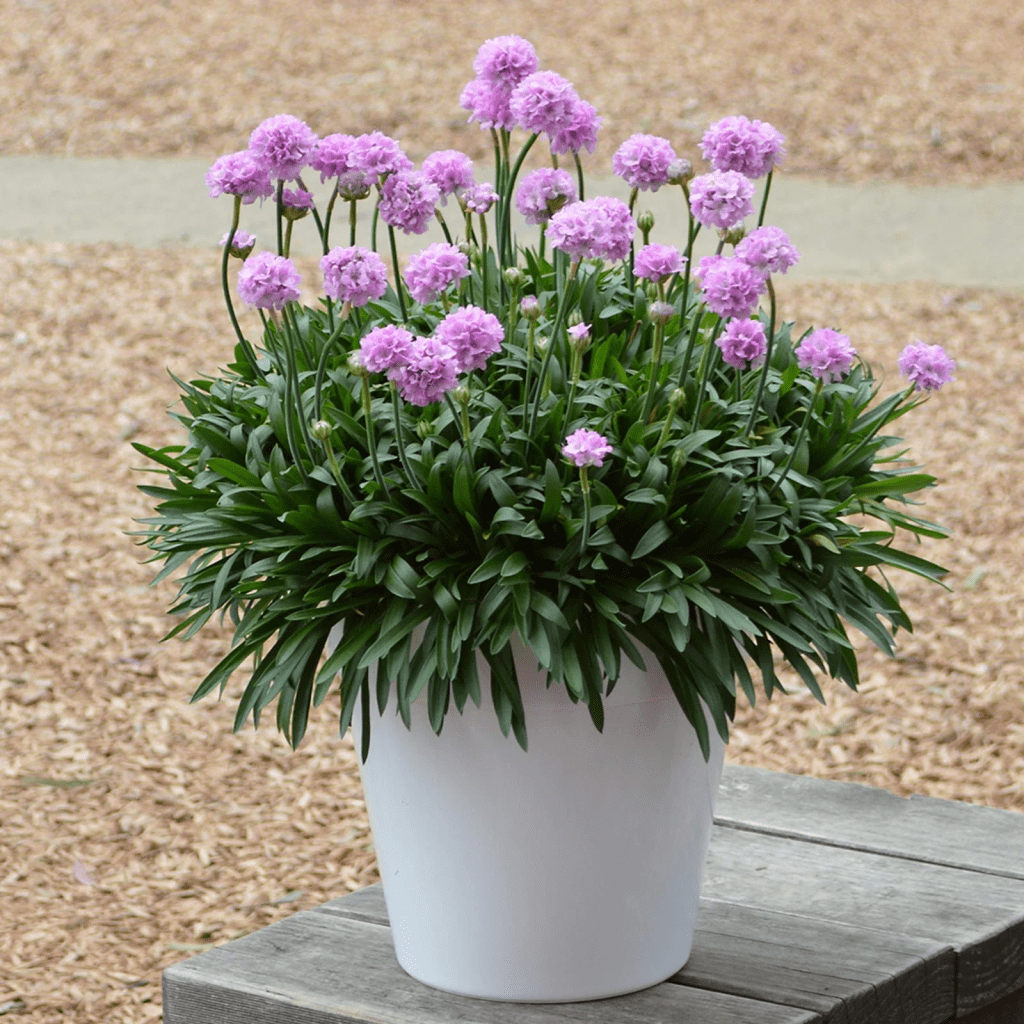
Kath Smyth talked about yardsmart plants. These are plants that are great for the pollinators and drought tolerant. She lives in Calgary, and as most of us know, they had major issues with water main breaks last summer. This brought home even more how important it is to be water wise…
- Aremeria – (aka Sea Thrift) this old fashioned, low-growing perennial is a beaut of a plant for both drought tolerance and feeding pollinators. Easy to propagate new seedlings by planting the finished flower puff! I am looking at these for a border planting in the new front yard makeover. It comes in white, red, or pink.
- Yarrow – there are new, less spreading varieties now. Pollinator favourite, thrives in hot, sunny places, is very drought tolerant. I can attest to this. I have a dead zone area in my front, surrounded by concrete from pathway and driveway… nothing else thrives, except the yarrow.
- Salvias (my favourites!), Festuca Elijah Blue, Stella D ‘Oro dwarf daylily.
- Rozanne geraniums for groundcover.
- and… she reiterated what I always say, grow the food you want to eat!
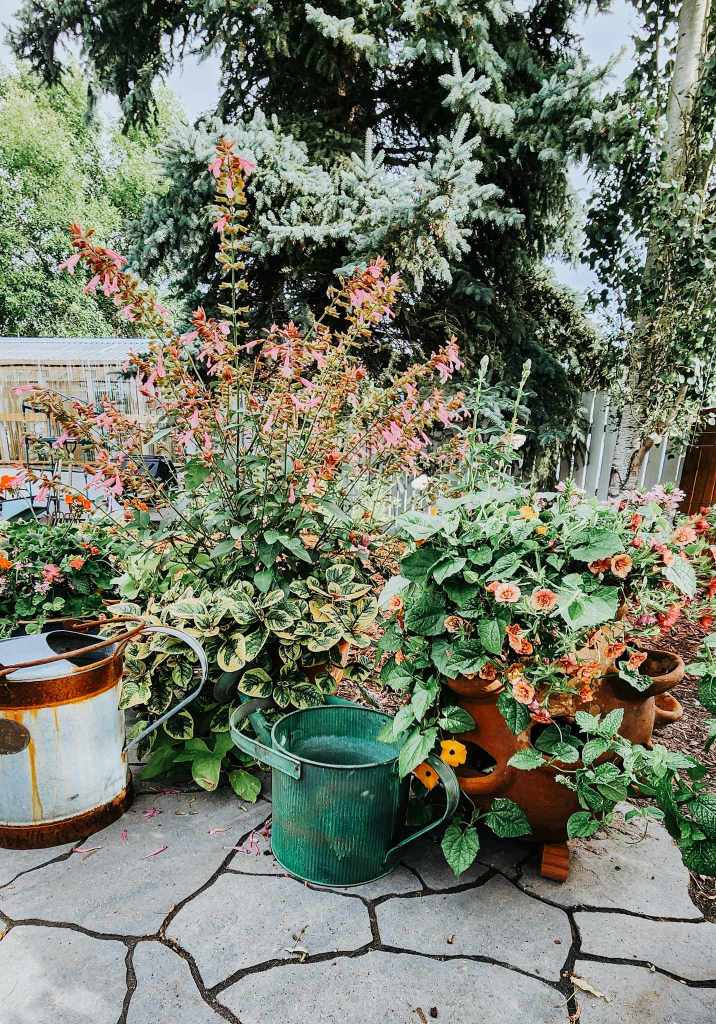
Wendy Zak talked about container design. Talked about fillers, spillers, and thrillers. How to plant up pots for different locations… corners, against a wall, or for round about viewing.
- She reminded us that morning sun is not considered full sun!
- Licorice vine and scaevola are great spillers (trailers in pots). There were others but I only noted the ones that I love ; )
- She said to mix textures, heights, and colours for the most interest in summer.
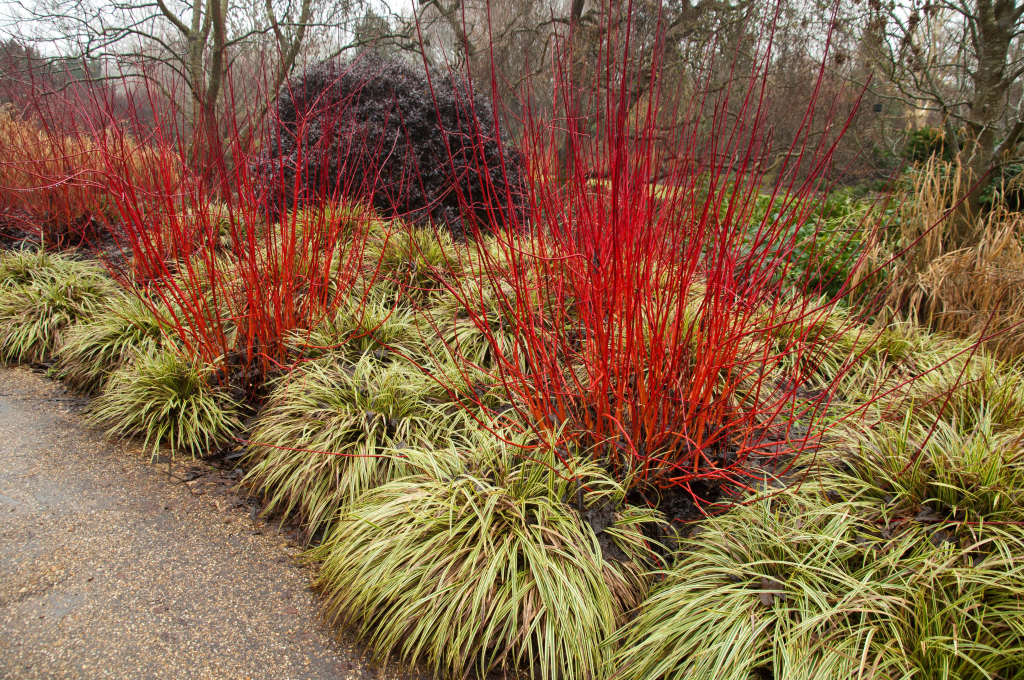
Michelle Aris and Lara Bartsoff talked about landscape design.
- Use mulch to retain moisture.
- Use pots in difficult areas. I love this idea. Probably because I recommend it often ; )
- Think about heights, textures, colours, and flowering time for year round interest.
- Check tags, look at maturity sizes, space and plant accordingly.
- Plant in odd numbers, use pathway and uplighting.
- Native shrubs and flowers require no fertilising. Plant red twig dogwoods!
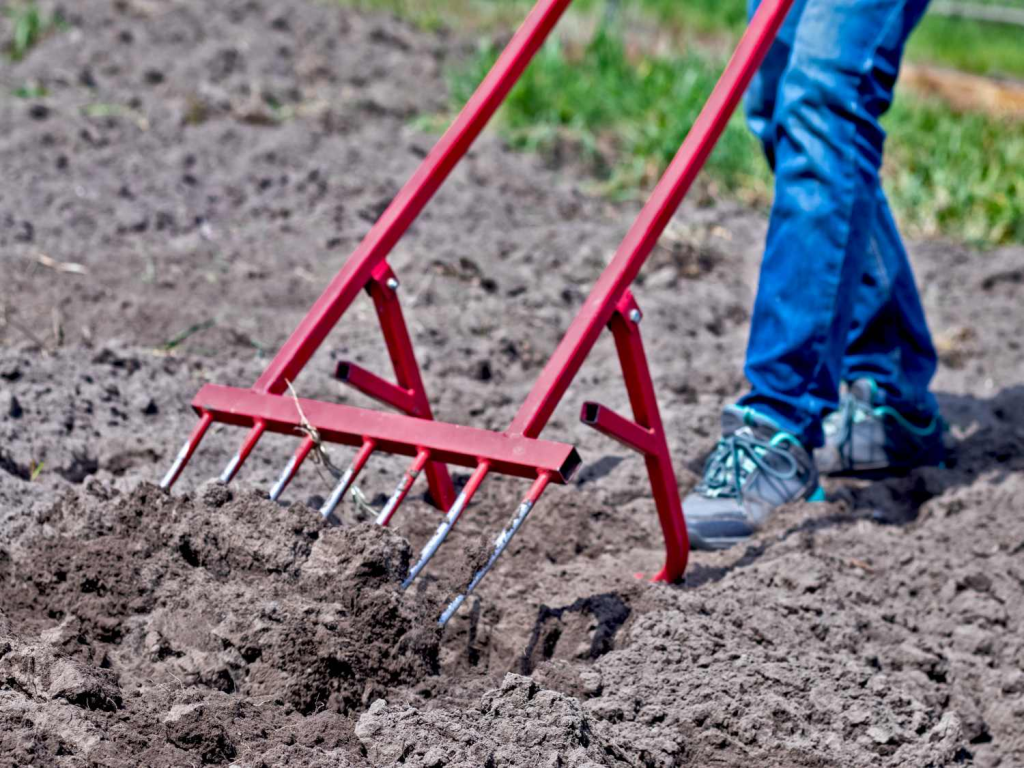
Lee Martineau from DOUG Gardens talked about Soil Eco Systems. This was my 2nd favourite topic of the day.
- The soil food web consists of living micro and macro organisms.
- Feed the soil to feed your plants (you know why I love this guy, eh? – He’s talking my language!)
- Minimal disturbance of the root system. No rototiling as it compacts the soil structure, use a broadfork instead to loosen compacted soil. Aerated soil gives you bigger vegetables.
- Protect the soil – top with up to 6 inches of compost annually.,
- Use drip irrigation.
- Oh, and he likes annual sweet alyssum along the sides of the gardens for the scent (and pollinators).
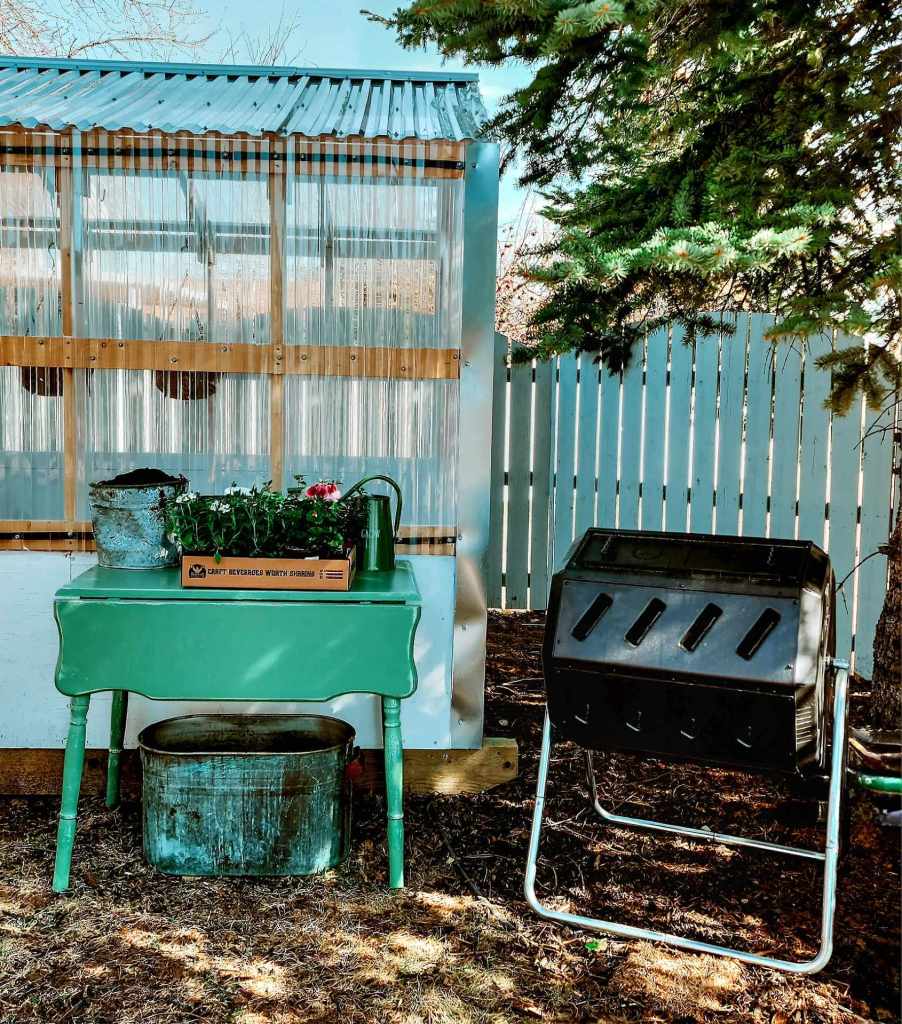
My favourite talk of the day was Mike Dorion from Living Soil Solutions. He talked about composting.
- Grow like grandma used to do, feed the soil, not the plants. No Miracle Grow. Love this guy.
- The 5 w’s of composting – why, where, when, what, and who.
- Feeding the soil, giving back to the earth.
- Stop trusting social media and what you see and hear. Follow your gut and instincts. You know what is the right thing to do.
- Wood chips do NOT rob the soil of nutrients (yay, love this guy).
- For great compost you need oxygen, water/moisture, carbon, and nitrogen.
- 60% browns, 30% greens, and 10% super greens (high nitrogen) makes fast compost.
In short…
- Best tip of the day is that you can soak wood chips for anywhere from 12 hrs to 4 weeks to make nice, moist browns for your compost bin. Let sit longer if you are using tap water (chlorinated to kill microorganisms).
- Groundcovers are in, lawns, well, are not.
- Feed the pollinators.
- Use mulch!
- Saving on water with drought tolerant plants and weeping hoses/drip systems.
- Make more of your own compost to feed your soil. I really need two more tumblers!
- Feed your soil!
- Use your gut, do not listen to commercials and media!
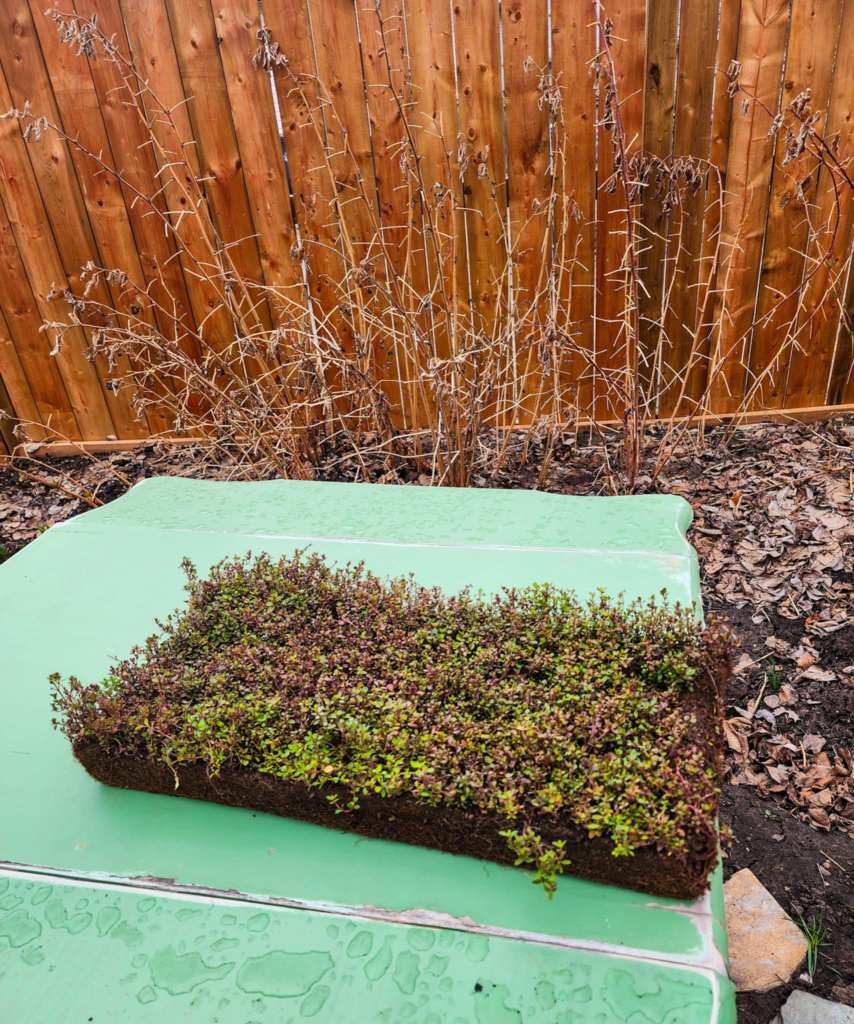
Check out that amazing block of creeping thyme that I purchased at the Market. They also had a sedum block that I really wanted but feel I do not have enough sun for in the spots where I want the groundcover to grow.
And so…. The 20 best ground covers. Rozanne geranium is mentioned in this article (the one recommended as a drought tolerant ground cover by Kath Smyth), as is thyme, of course, by most all the speakers.
I find that tumblers make compost so much faster, and easier, than piles or bins. You can make a load or two each summer! Plus they tuck away nicely into any sized yard.
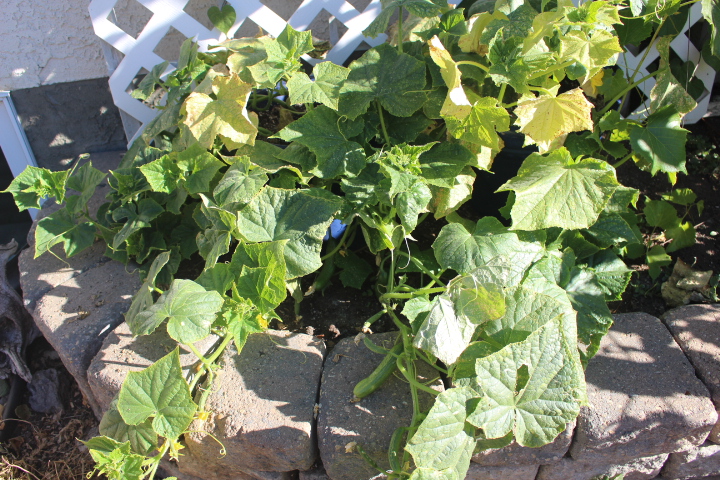
How to grow cucumbers in a pot. Our first year at this summer, we arrived in mid July. A week or two after we got here, I decided to toss some cucumber seeds into a pot and see what happens. Two of the 3 varieties started fruiting about 6 weeks after sowing the seeds, and gave us cucumbers till frost took them down in late September.
How to grow dill. Wait a few weeks and then throw down your seeds. If you can get a few to germinate, you will not have to sow the seeds ever again. They will self seed in that spot each summer. So, the moral of that story is to make sure you know where you want to them to grow for all eternity ; )
Should I rotate my vegetable crops? Glad to see this myth dispelled for the home gardener.
When and how to deadhead foxgloves.
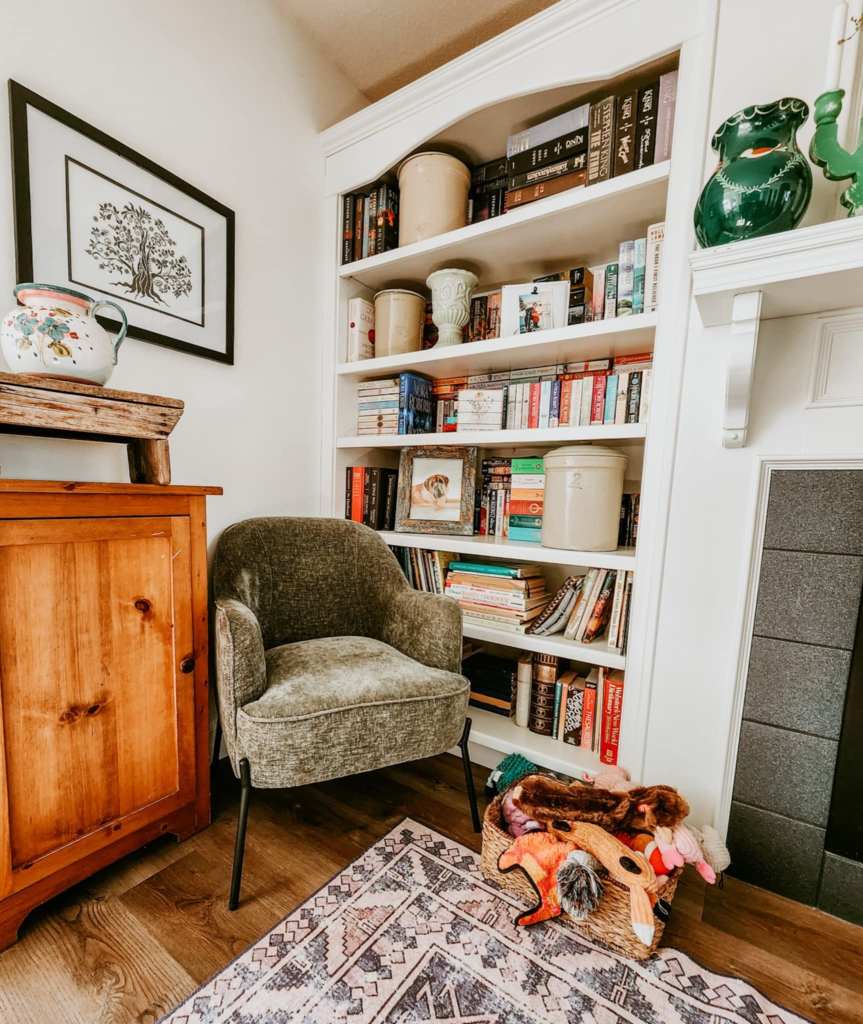
I just finished The Book of Lost Names and am currently reading one called ‘Sisters and Husbands’.
Homey Bits
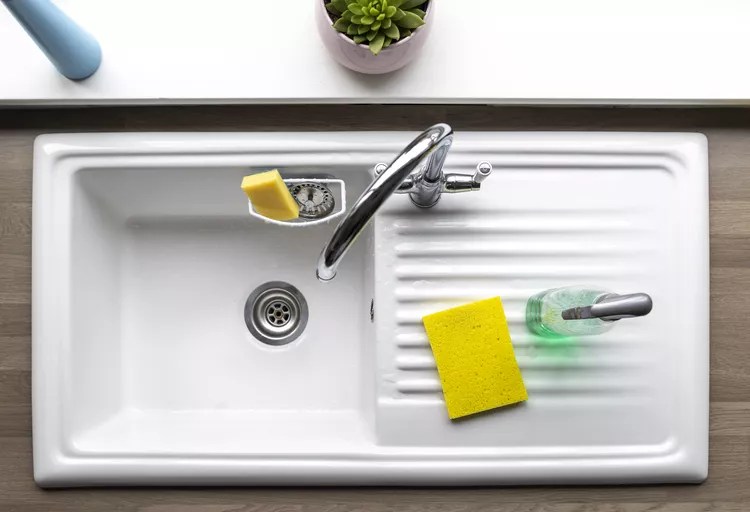
From Martha… How to get rid of drain flies.
I have had these before. Not at this house, but remember them pretty annoying!
I was going to leave out the homey bits (and recipes) this week as I only have the one… but it is a good one. Here is how to get rid of them, if you happen to have drain flies.
Pretty sure that is what is flying around one of our local coffee shops in town – eek!
Recipe Bits
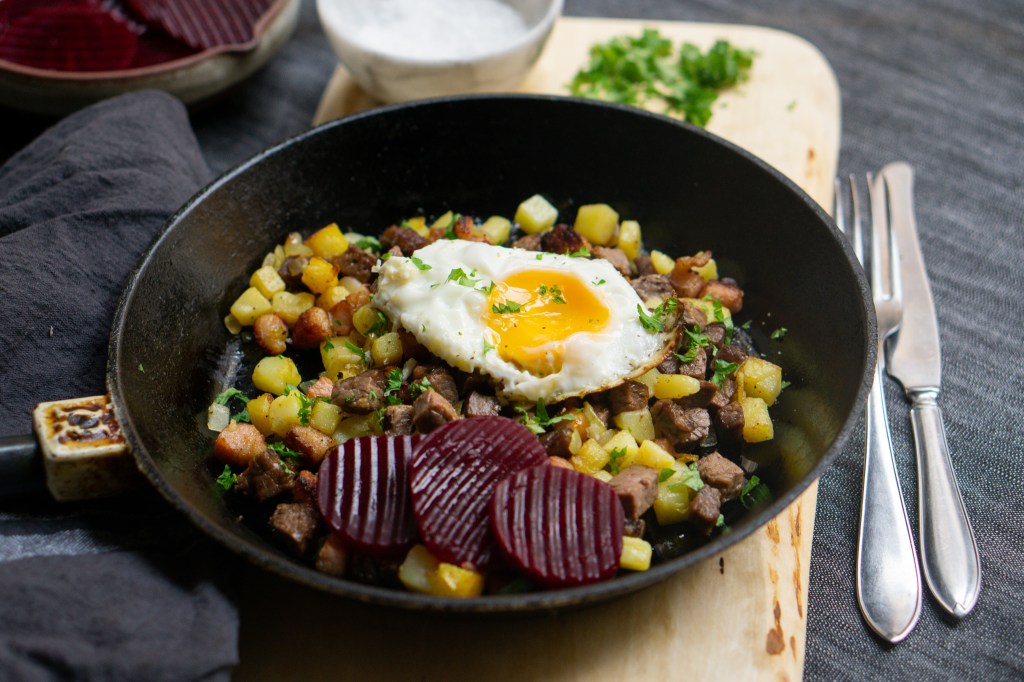
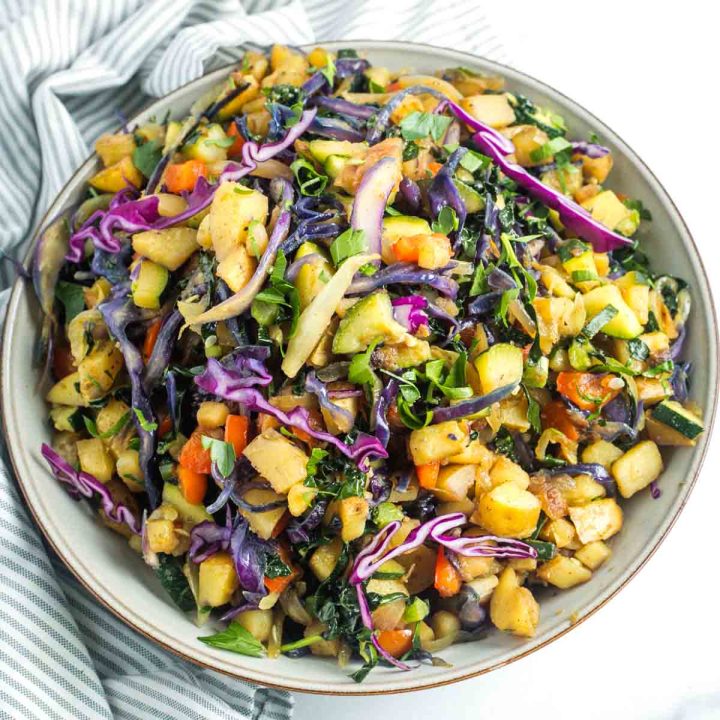
There is a dish called Pyttipanna in Sweden. It is kind of a hash you make with leftovers of diced potatoes, any sort of meat, and onions. You can toss in other leftover veggies, too. It’s traditionally served with fried eggs and pickled beets. That is what this vegan potato hash reminds me of.


 The Marigold Potager - A Zone 3 Prairie Garden
Leave a comment