
Growing great tomatoes…
Whether you are a seasoned pro, or a beginner, I have some tips to help you grow your best tomatoes ever this summer.
If you want to start your own seeds, you need to get a wiggle on. This weekend is about the latest that you can go (mid-April).
Come to my tomato planting workshop this weekend (shameless plug, hahaha) and go home with a tray of tomatoes, of your own choosing, that you sow here. Everything is included – seeds, soil, tray, labels, tutoring.
There is a bit of a saying that goes like this… It is warm enough to plant out your tomatoes when you can sit on the garden soil with a bare bottom and not feel a chill. Now… I am not saying that you have to actually sit on the bed with your bare bum, but you do want the soil (not just the air temperature) to be warm. Maybe use the palm of your hand instead?
Tomatoes need a lot of sunshine and are heat lovers. They should not be planted out in the garden till your night time temperatures are consistently around +10°C (50°F). This is around the May long weekend in most provinces and northern States, but may be a bit earlier, or later, depending on where you live.
Where To Plant Tomatoes
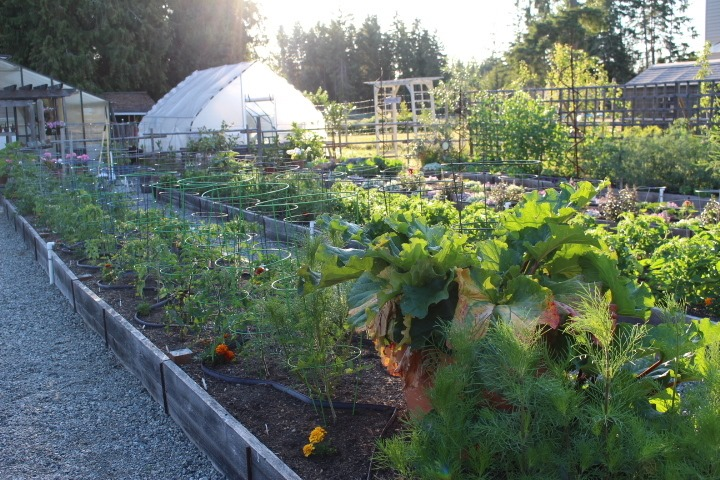
Tomatoes want a full sun, warm location, with great drainage. They can be grown in pots, in the ground, or in raised beds.
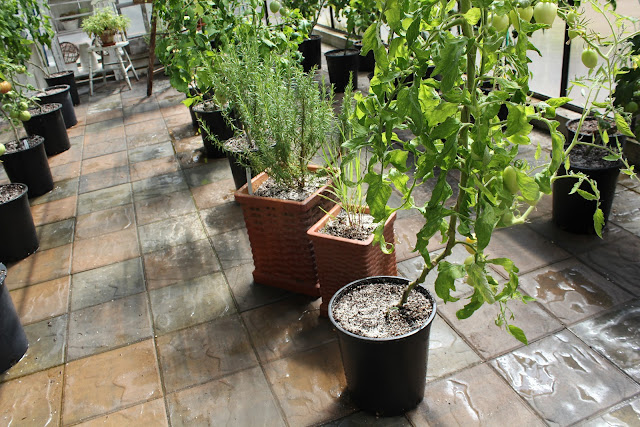
If you are using pots, you want deep, large pots. I like 5 gallon tall pots – the ones that are about the size of a home depot pail, but are black and have drainage, of course. Do not use the 5 gallon low pots that are wide rather than tall.
Raised beds are easier to keep weed free, and they warm up sooner in spring, and retain heat longer in the fall. I love raised beds… less bending, less weeds, better soil, better plants.
In the ground gardens work, too. Build up the beds a little bit to create wide mounds, which will help the soil warm up sooner and gives you great drainage. Never plant in a wet, boggy area.
What Kind of Tomatoes To Grow
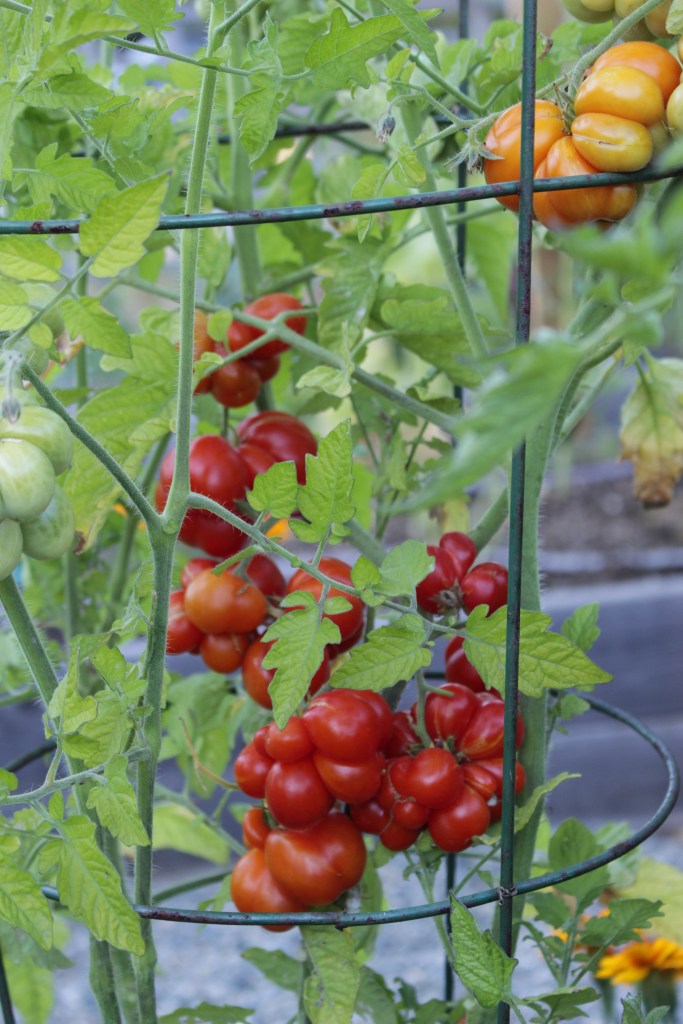
What tomatoes you grow this summer depends on what you want to do with them, and what kind of tomatoes you like.
I like to grow a bit of everything.. one or two cherries, a few nice hearty tomatoes for fresh eating, and loads of paste tomatoes for canning into sauces and salsas.
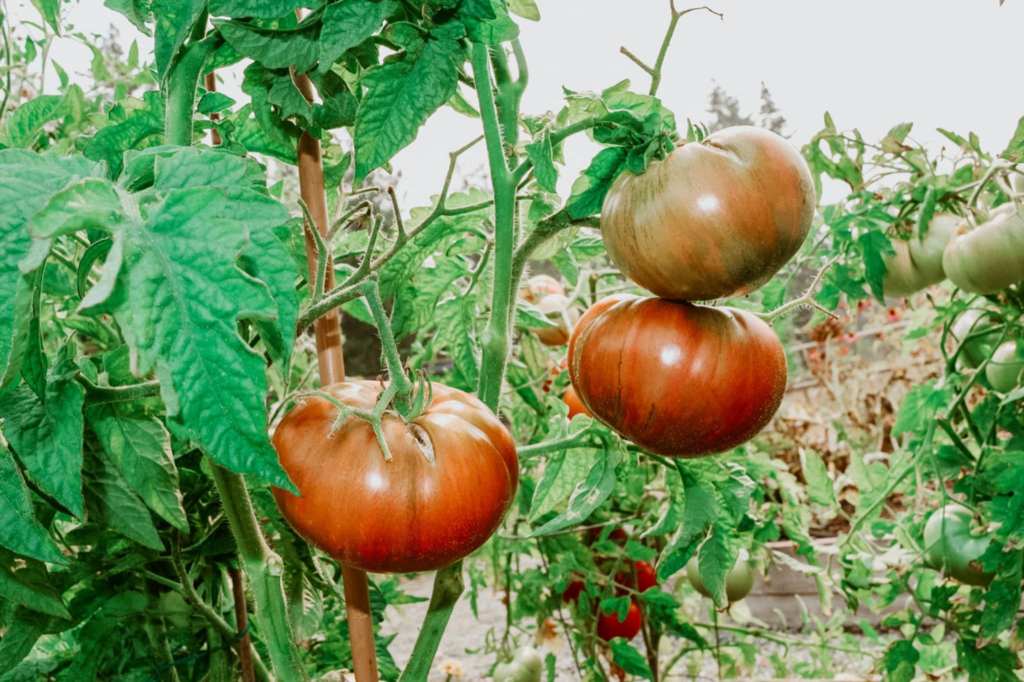
I prefer the taste of black and green tomatoes. They are sweeter, richer, more flavourful than the red ones. I call the black/purple ones the dark roast coffee of the tomato world.
My son prefers just red tomatoes, nothing out of the ordinary. He thinks yellow ones look sickly, green ones not ripe, and the dark ones look rotten. Hahaha. None of this is true.
- In fact, the yellows tend to be milder in flavour, often less acidic.
- Green tomatoes are always sweeter than any of the others, for some reason.
- The black and purple ones are rich, meaty, more intense.
How To Plant Tomatoes
You will need some kind of support for your tomatoes. Cages, spirals, stakes, strings.
- If you grow bush types tomatoes (determinate), a regular tomato cage will work great.
- If you grow the vining type, you will need something stronger and taller, like a really large cage (the square metal ones work best as they will not topple), make wooden ones, make a big round one out of wire mesh, a sturdy wooden stake, a tomato spiral (see above), or grow them up strings.
For more information about determinate, indeterminate, and semi-determinate varieties, see here.
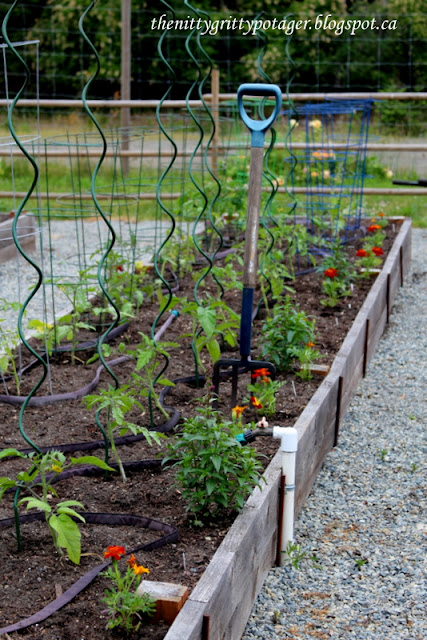
Feed your soil with a few inches of compost. Organic gardeners feed the soil life to feed the plants, rather than feeding the plants and ignoring the soil.
Annually, add some compost or well composted manure on top of your soil. Do not dig it in, just let the rains and soil life bring the nutrients to the root system of your plants. Use anywhere from 1/2 inch to 3 inches, depending on the health of your soil.
If your soil is very depleted, if you have inherited old soil that has not been fed, you may want to invest in a good amount of compost and lightly dig it in to the top 6 inches with a garden fork. I know, I know, this goes against everything you usually hear me say! But hear me out….
I am a no dig gardener, so generally will not mess up my soil life (microbial soil life, earth worms, fungi threads) by turning over the soil, but honestly, if your soil is hard and poor, if the previous owners just fed their plants with Miracle Grow or some other inorganic fertiliser, then there is not a lot of soil life to disturb anyways. Invest in feeding your soil the first year, and then just top dressing in following years, and you will have amazing soil.
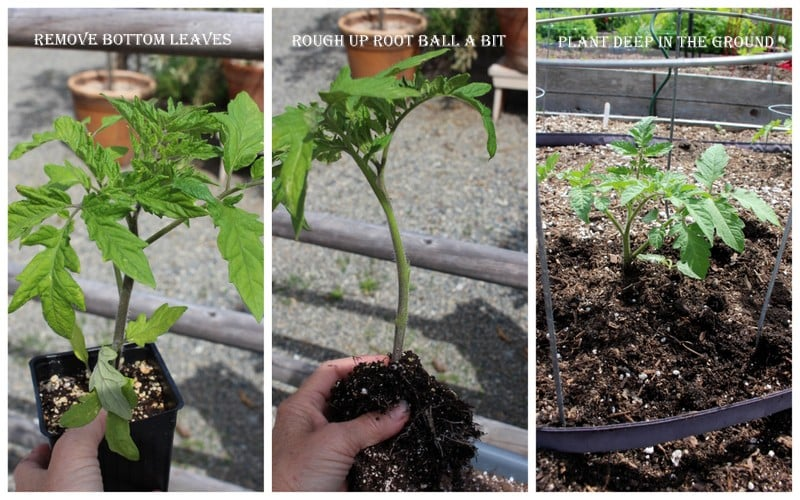
Dig a deep hole for the tomatoes. You want to plant it half way up the stem of the tomato plant.
- Dig the hole deep enough to plant the tomato half way up the stem.
- Add amendments to the hole, if using. Read more about that below.
- Remove all leaves and branches that will be buried in the soil.
- Plant up to just below the lowest branch.
This will give your tomato a bigger, better root system. It also makes them sturdier and is helpful if your plants have started to get lanky.
If you feel like your soil is just mediocre, you may want to add a bit of slow release, organic amendments to the planting hole.
Add a bit of Gaia Green 4-4-4 or Acti-Sol hen pellets at the bottom of the hole, plant as usual.
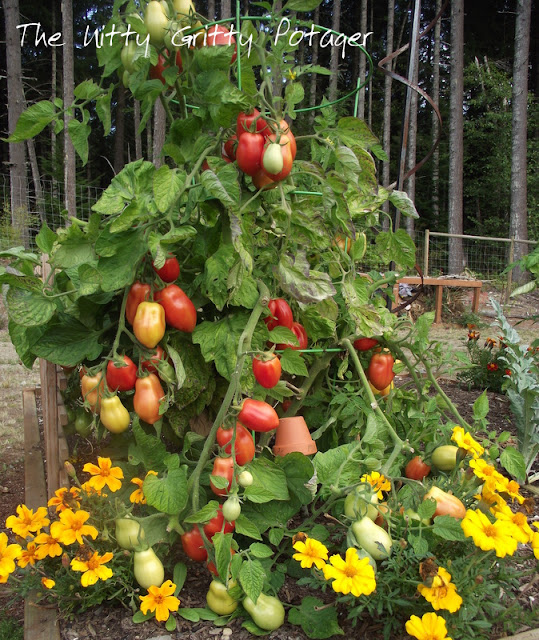
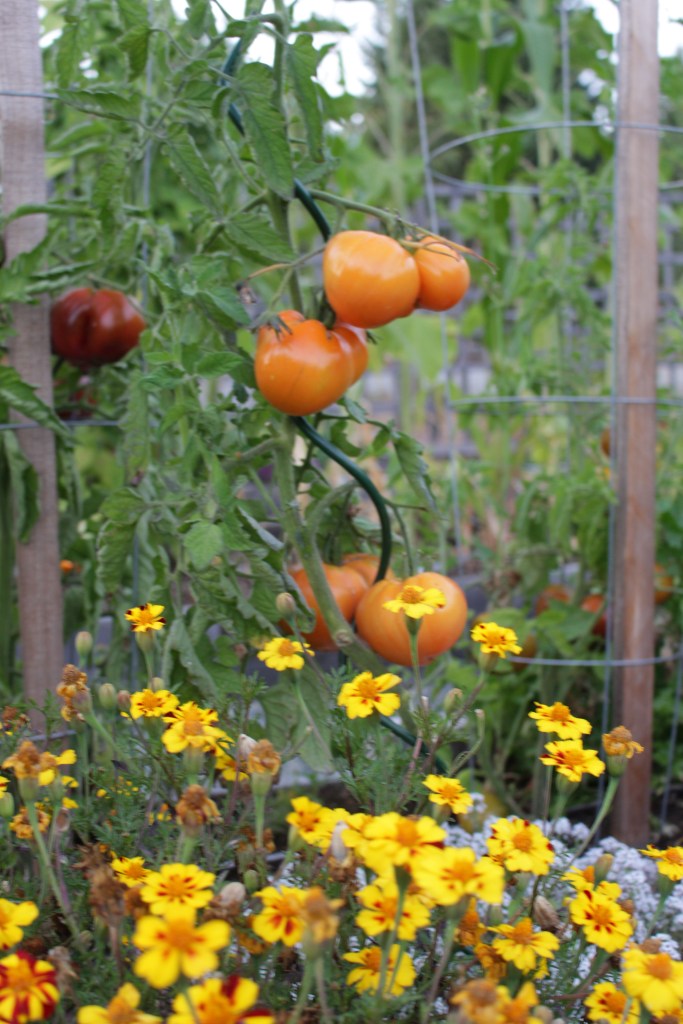
Companions… Tomatoes grow best when interplanted with basil, parsley, and marigolds.
- Basil is said to make tomatoes grow better and taste better
- Parsley and marigolds are for organic pest control.
- Marigolds planted in abundance annually will help get rid of bad nematodes in the soil.
When choosing marigolds for the garden, you want to buy French marigolds or signet tagetes (Lemon Gem, Tangerine Gem).
Tall African marigolds look amazing in the garden, but are usually too big for the potager, the food garden, and they do not have the same beneficial properties as the shorter, smaller types have.
You also, ideally, want to choose open centered marigolds, like the Disco marigolds in the picture above, as they provide more food for the bees than poofy varieties do.
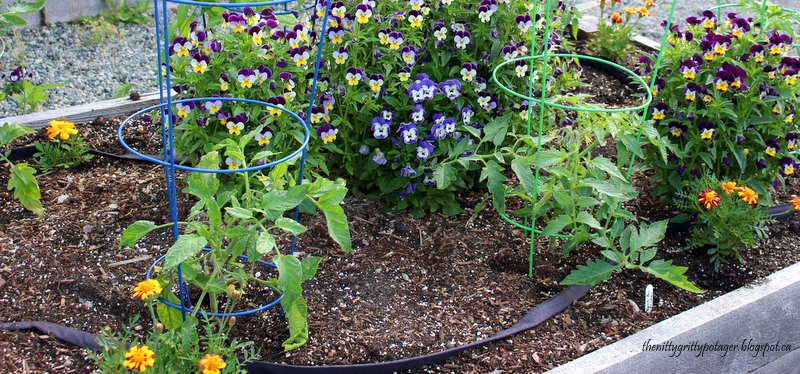
For healthy tomatoes, plant them two feet apart on all sides. This will give you great airflow between the plants, to prevent fungal diseases like blight, powdery mildew, leaf spots, etc…
I plant 6 tomatoes down each side of my 12’x4′ beds. That gives me two feet between each plant, and two feet between the rows.
The companion plants are planted along the ends and the sides of the plants.
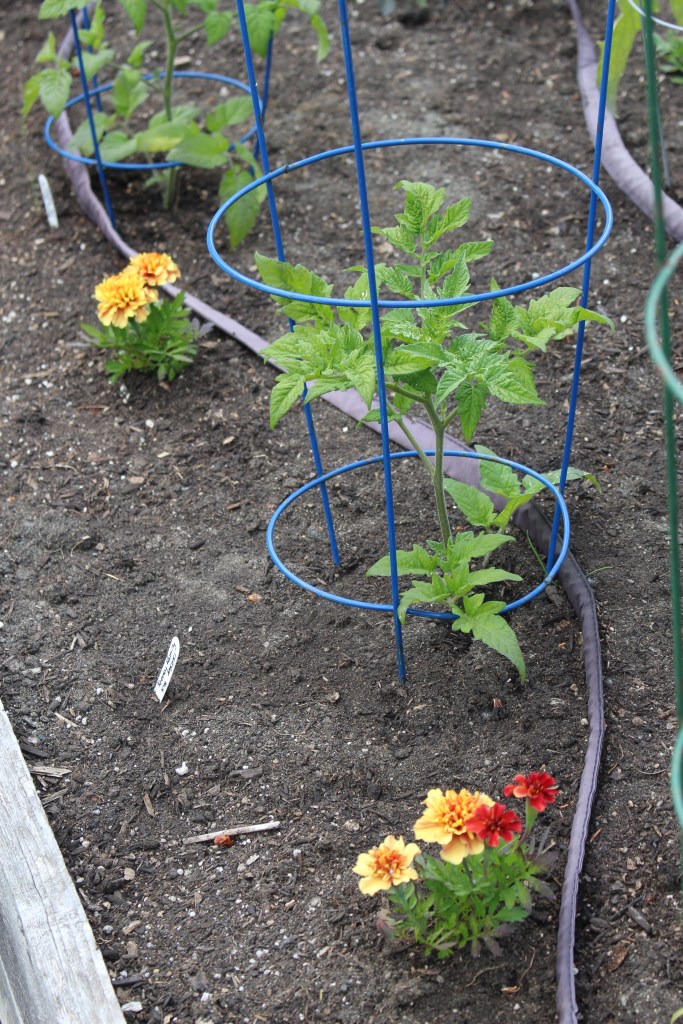
These marigolds are okay for the pest resistance, but they are not the best for feeding the bees.
Watering Your Tomatoes
Unpopular Information – Water less often. Gardeners love to water! It is a common thing with most of us. We all love to get out there to putter, water, deadhead, weed…. However, daily watering means you will likely end up with BER (Blossom End Rot) on your tomatoes, especially the paste types. It will also make your tomatoes bland and watering tasting, and can make them mealy and grainy if you are watering often during a very hot summer.
After planting, water in your tomato plants really well, giving each one a good, deep drink of water.
I like to add some liquid seaweed to the watering can when they are first planted. The seaweed helps plants root in faster, with less transplant shock.
Deep water your tomatoes twice a week, every 3rd or 4th day. Drip systems or weeping hoses will soak the bed down deep where the roots are. Do not be worried if the top of the soil looks dry as those weeping hoses/drip systems are getting the water where it should be going… down to the roots.
Remember that you planted your tomato nice and deep, it is making roots all along that stem that you buried deeper. It will continue to grow deeper roots, so requires water less often. Watering twice a week will ensure that the soil is damp down where the roots are.
If you are concerned about your companion plants not getting enough water at the beginning of the season, before they develop deep roots, give them a bit extra from the hose or watering can.
Watering should be done in the morning hours to prevent fungal diseases. If you have a timer, have it go off at 4 or 5 in the morning for amazing tomatoes. If you, like me, have to do it manually, try to do it before noon, if possible, but if not, at early enough that the soil surface is not wet going into the night. Humid areas have to be really careful about this, to prevent blight.
Fertilising Your Tomatoes
As mentioned above, as an organic gardener, I do not generally feed my tomatoes during the growing season. However, sometimes a boost is needed. Here are some ideas of what I might use, when, and why…
- I would put a bit of slow release fertiliser in the planting hole at planting time, if I felt that my plants could use an extra boost. Maybe it is new soil, tired soil, not yet fed often enough to be great soil.
- You can also scratch it in to the surface of the soil, around any plants that look peaky in summertime.
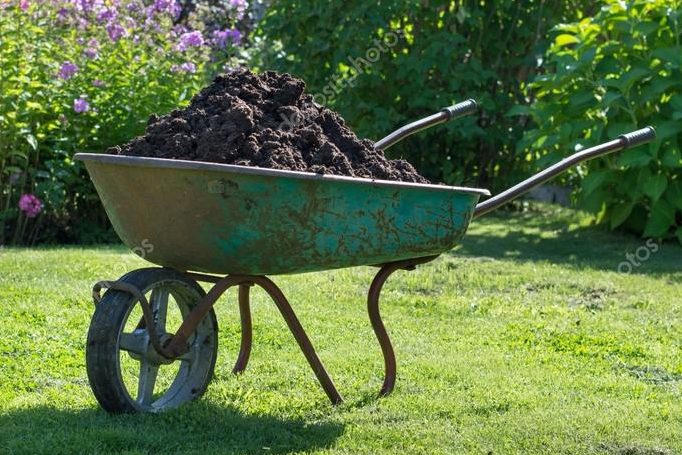
- I will also sometimes mix it in with my compost when feeding my roses, fruiting shrubs, ornamental shrubs, rhubarb, trees…. I put compost into a wheelbarrow, mix in the fertiliser, and put a few shovelfuls around the base of the plants.
- Liquid seaweeds are great to use when transplanting plants into the garden, into pots or hanging baskets, or into larger pots.
- Put the seaweed into a sprayer and spray them on the foliage. This is especially helpful for young seedlings. You will see a marked difference in a matter of days.
- You can mix the seaweed in your watering can and water your seedlings, houseplants, garden plants with it once every couple of weeks. Or a mild solution every Fertiliser Friday.
- Compost or well composted manure around the plants, in the planting hole, or top dressed over the bed is the best way to organically feed your plants, and your soil life.
- I like the composting tumblers as you can make compost much faster than with the standing ones, and they are more rodent resistant.
Harvest & Enjoy
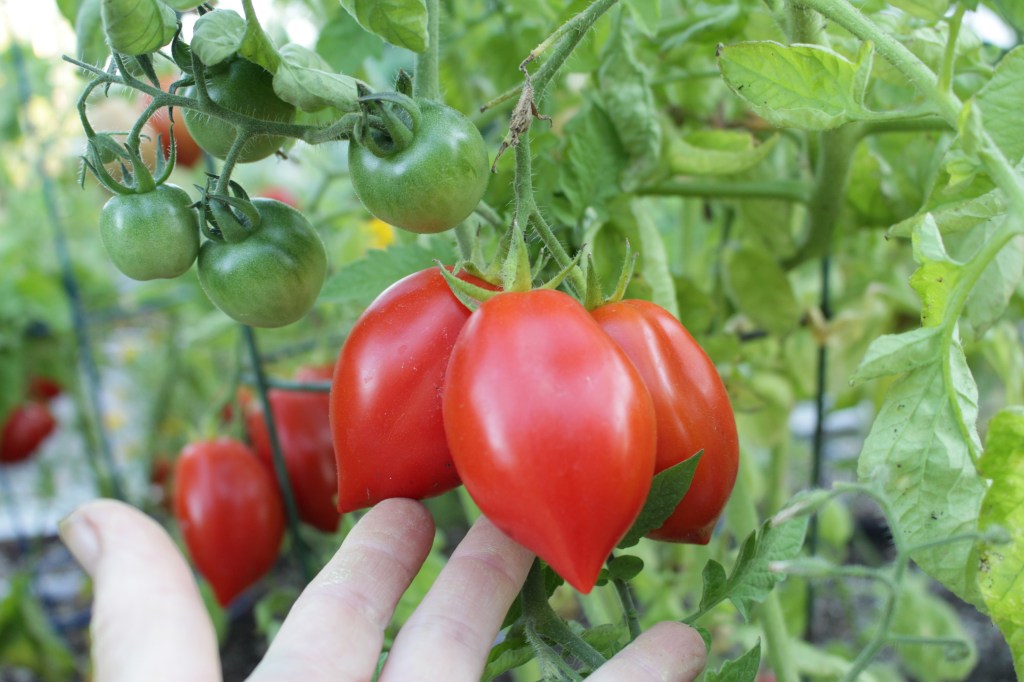
Harvest your tomatoes when they are ripe for the best tasting salads, sandwiches, and sauces. If you are at the end of your growing season, start to bring them indoors to ripen on the counter top anytime after they have started to blush, have a little bit of pink to them.
Harvest your fresh eating tomatoes when they are fully ripe for the tastiest tomatoes.
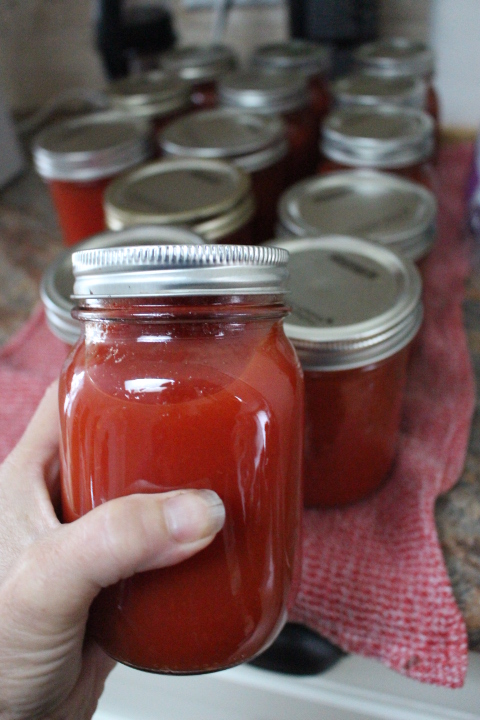
Harvest the batch of paste tomatoes when you are ready to start canning them into sauces or salsas.
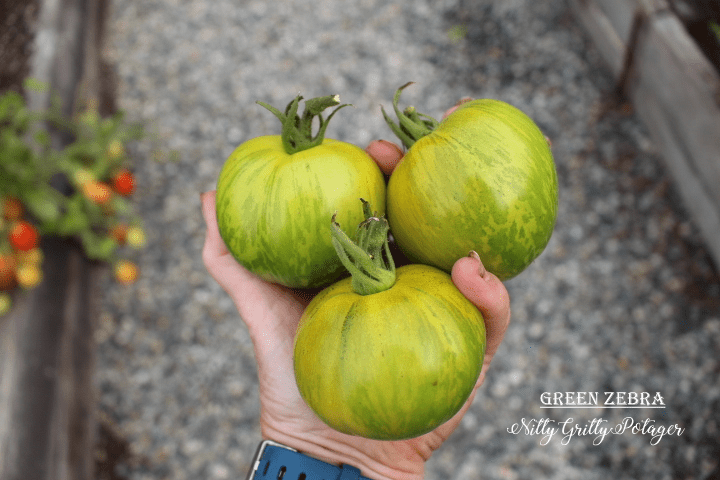
Harvest green tomatoes when the shoulders are yellow instead of dark green, and they have a little bit of give to them, are softish when you squeeze them.



 The Marigold Potager - A Zone 3 Prairie Garden
Leave a comment