
I love to grow food. Everything just tastes better when it comes from one’s own garden, but it is no secret that tomatoes are my all time favourite vegetable to grow. While I love my carrots, onions, cucumbers, squash, all the things, there is just something special about tomatoes.
At my wee greenhouse business, I used to grow over 1000 tomatoes annually. About 100 for me, and then sold 1200 ish. They were all heirlooms or open pollinated types, all colours, flavours, sizes, and shapes.
This is just to say… I love growing tomatoes, hahaha, and have literally grown thousands over the years.
There are three types of tomatoes…
- Determinate tomatoes are bushy and compact. They produce all of their fruit within a short period of time. When they are done producing, they are done, you cannot make them flower or fruit longer than their determined life span. Do not require pruning.
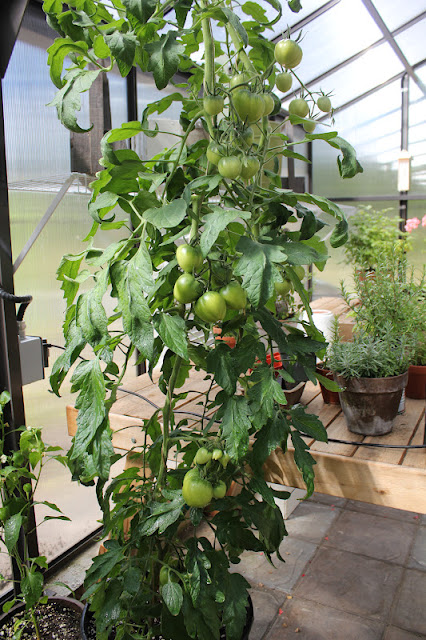
- Indeterminate tomatoes grow on long vines so need some kind of support (cage, trellis, stake, string). They produce tomatoes from spring till frost, throughout the whole growing season. They require pruning throughout the summer.
- Semi-Determinate tomatoes are kind of a cross between the two. The best of both worlds. They need support, a stake or cage to grow in. Do not require pruning, though you can take off a few of the first few suckers for better air flow.

There are three categories of tomatoes – determinate (bush), indeterminate (vining), and semi-determinate (pretty much just a shorter version of the vining kind). This is how I choose which ones to grow….
Determinate aka bush type tomatoes, grow short and compact, only to a determined size. They also only fruit for a determined amount of time so you are able to harvest a lot of tomatoes all at once, which makes them great for canning purposes.
- My canning tomatoes are always determinate (bush type) as they all ripen within a 2 or 3 week window, making them perfect for harvesting large batches at one time. They tend to be smaller and juicier though. You will need more of them and cook them down for a longer period of time to make a thick sauce.
- Most all of the red fresh eating tomatoes that I grow are determinate types. I choose ones with the shortest maturity dates so that I am eating tomato sandwiches nice and early in the season while I wait on the others to start producing.
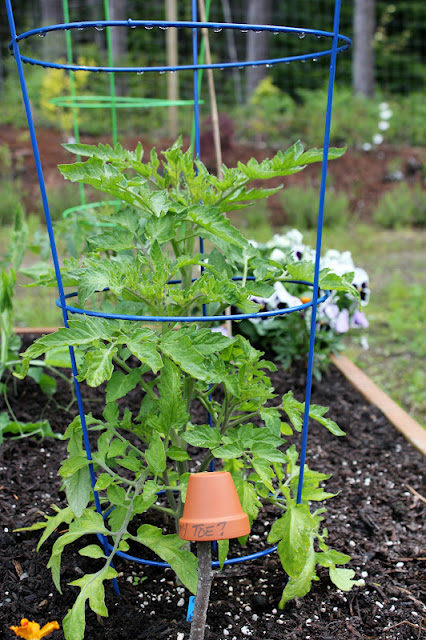
- They need just a regular tomato cage to grow in, tend to stay fairly happy in the cage.
- They do not require pruning, though you can remove some of the bottom foliage to keep them off the soil. This prevents diseases from starting.

Indeterminate tomatoes will fruit from early summer to late summer but not all all at one time.
The harvest is spread out over the months.
Indeterminate paste tomatoes are bigger and meatier, so if you have a lot of room, grow a couple of rows of these guys and make more smaller batches of sauce throughout the summer instead of one big batch. They make a nice thick sauce, cook down much faster than the determinates.
Most all of the cherries and all of the beefsteaks that I grow are indeterminate. I like having the cherries to snack on throughout the entire season instead of over just a few short weeks, and the beefs just grow that way (there are very few determinate beefsteaks). I love everything about growing beefsteak tomatoes, adore the tall vines covered with great big monsters.

- Require a very large tomato cage (the square ones are best or they tend to topple over), or a stake, or a string to grow up. They get very large, some are over 8 feet tall.
- Indeterminate tomatoes need to be pruned or they will overtake your garden/greenhouse. Remove suckers that are growing in the ‘V’ between the main stem and the branches.
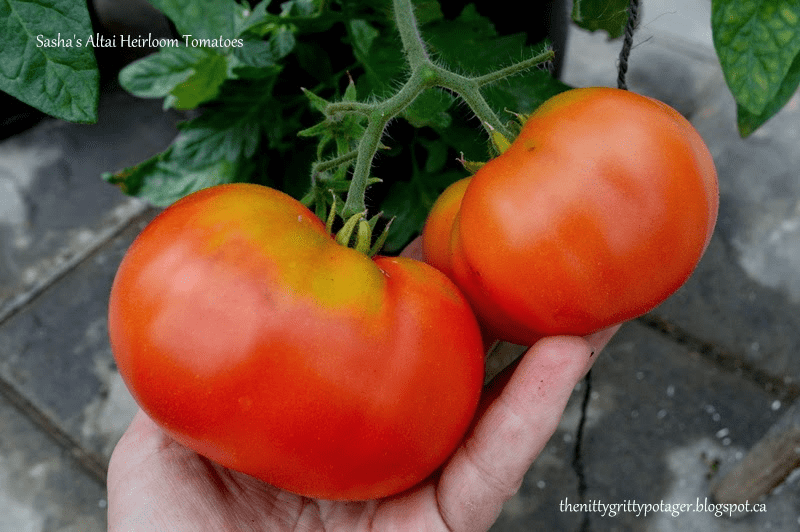
Semi-determinates grow on vines but they tend to max out at about 4 feet tall.
In paste tomatoes, they are also bigger and meatier than the determinate types, produce more tomatoes at one time than the indeterminates do, but not as many as the determinates.
They are kind of the best of both worlds – meatier, bigger, and have a determined life span. I happily grow the semis, you can fit a whole lot of these guys in your potager in nice, sturdy, tomato cages and enjoy the fruits of your labours, literally, throughout the entire season.

- Need to be caged or staked as they grow to 4-5 feet tall. Are a vining type of tomato, just shorter.
- Do not have to be pruned. Just remove a few of the early suckers for good air flow, to keep it healthy.

My grow list changes from year to year but these are the parameters that I use when choosing which ones to grow. Maybe I will be doing less canning in a few years, then it would change again. When deciding which tomatoes to grow, consider what you want from your harvest.
My favourite determinate tomatoes (bush types)
- Droplet (red cherry)
- Elfin (red cherry)
- Fargo’s Yellow Pear (heavy producer of the perfect yellow pear shaped tomatoes)
- Green Gage (sweet green cherry)
- Heinz 1350 (paste tomato for canning and saucing)
- Heinz 2653 (a large red slicer tomato for salads, sandwiches, canning, fresh eating)
- Martino’s Roma (paste tomatoes for canning)
- Ropreco (paste tomatoes for canning)

My favourite indeterminate tomatoes (vining types)
- Ananas Noir (a sweet, lovely tasting beefsteak. Great for salads and salsas)
- Bullsheart (Big, chunky and meaty, perfect for sandwiches and salsas)
- Black Cherry (Prolific producer of large cherry tomatoes)
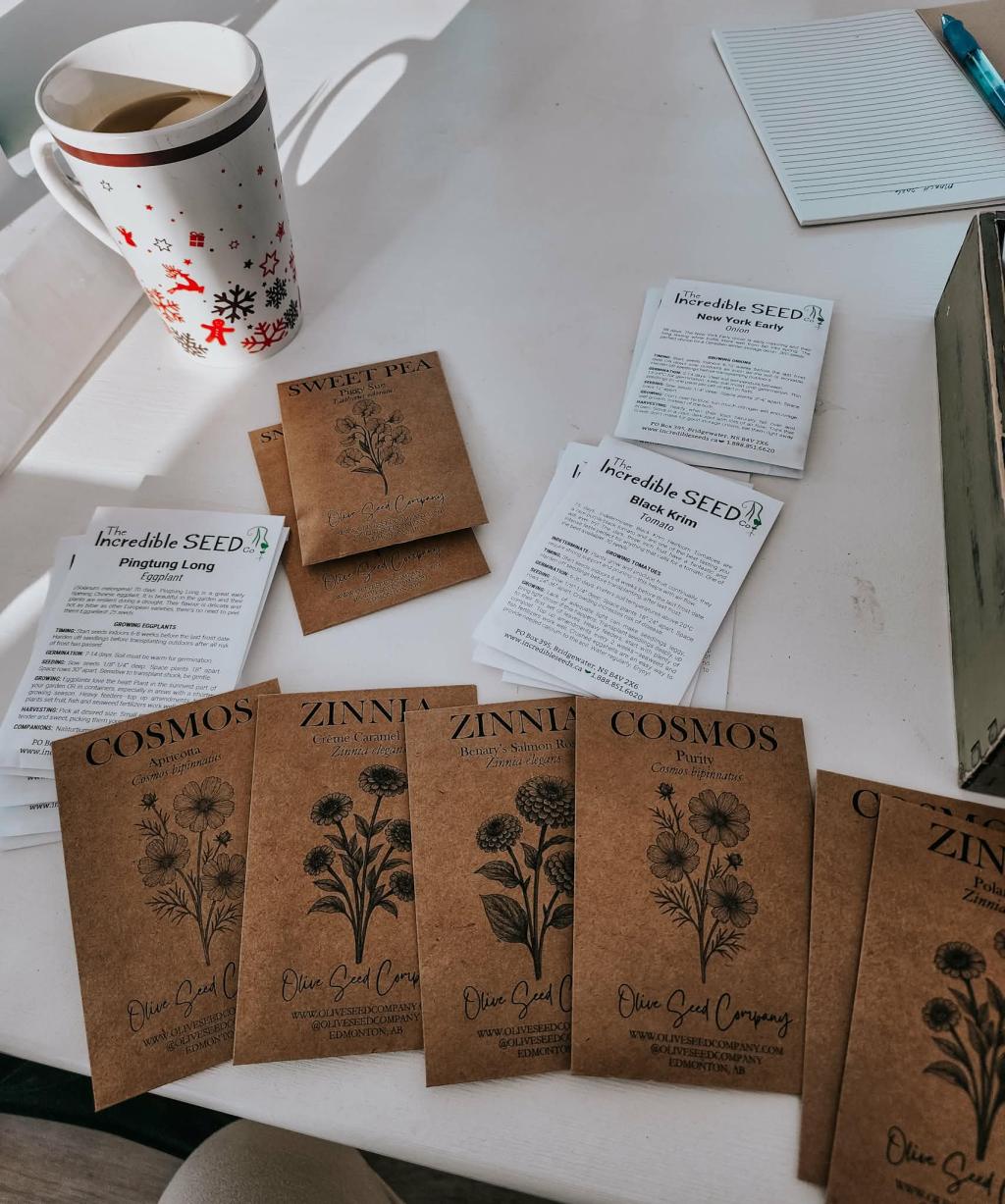
- Black Krim (dark red/purple beefsteak tomatoes with a rich, smoky flavour)
- Black Prince (medium sized smoky, rich, deep flavoured tomatoes)
- Chianti Rose (huge, red beefsteak tomatoes)
- Costoluto Fiorentino (gorgeous ribbed Italian slicer tomato)
- Lucky Tiger (Large striped yellow, green, red oblong cherry tomato)
- Paul Robeson (medium large maroon coloured sweet, smoky, tasty tomatoes)
- Pink Berkeley Tie-Dye (early producing striped pink beefsteak tomatoes)

My favourite semi-determinate tomatoes
- Gill’s All-Purpose (called an all-purpose as it works just as well for canning as it does for fresh eating)
- Grappoli d’Inverno (a cherry tomato that can be hung to dry and enjoyed all winter)
- Heidi (a lovely, meaty, tasty paste tomato)
- Sasha’s Altai (has it’s own following! Large, red tomatoes, juicy, tastes like tomatoes should!)
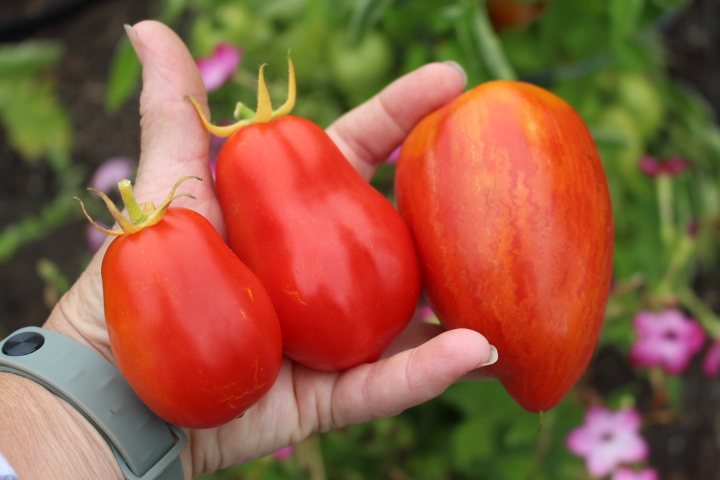
- Speckled Roman (very large paste tomatoes with stripes – great tomato)
- Stupice (small saladette sized tomatoes, great for salads and fresh eating, very early to produce)
- Tasmanian Chocolate (large mahogany coloured tomatoes that taste amazing, very productive)
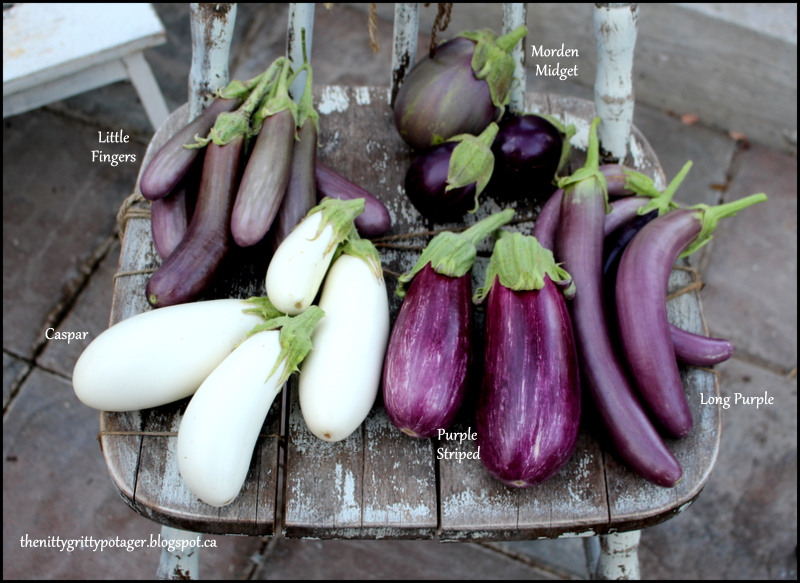
Ps, the name in many of the photos, the Nitty Gritty Potager/Nitty Gritty Greenhouse, was the name of my blog and my greenhouse business. So, the pictures are all mine : )
You can still find that blog up and running, if you want to have a peek at it. It is from a warmer gardening zone than I am now in ; )


 The Marigold Potager - A Zone 3 Prairie Garden
Leave a comment